Uganda / Diaspora communities / South Sudan
The Acholi are a Luo-speaking people of northern Uganda and South Sudan, known for Acholi language, strong clan and family systems, bridewealth customs, Bwola and Larakaraka dances, farming traditions, oral history, music, storytelling and respect for elders.
Itye nining?
Hello · Acholi
Atye maber
I am fine · Acholi
Apwoyo
Thank you · Acholi
Dong maber
Goodbye · Acholi
The Acholi are a Luo-speaking people mainly associated with northern Uganda and parts of South Sudan. Acholi identity is connected to language, clan history, family lineage, respect for elders, marriage customs, farming, cattle, music, dance, oral tradition, Christianity and community responsibility.
Acholi customs vary by clan, family, church, country and generation. Public content should describe broad cultural patterns while recognising local variation.
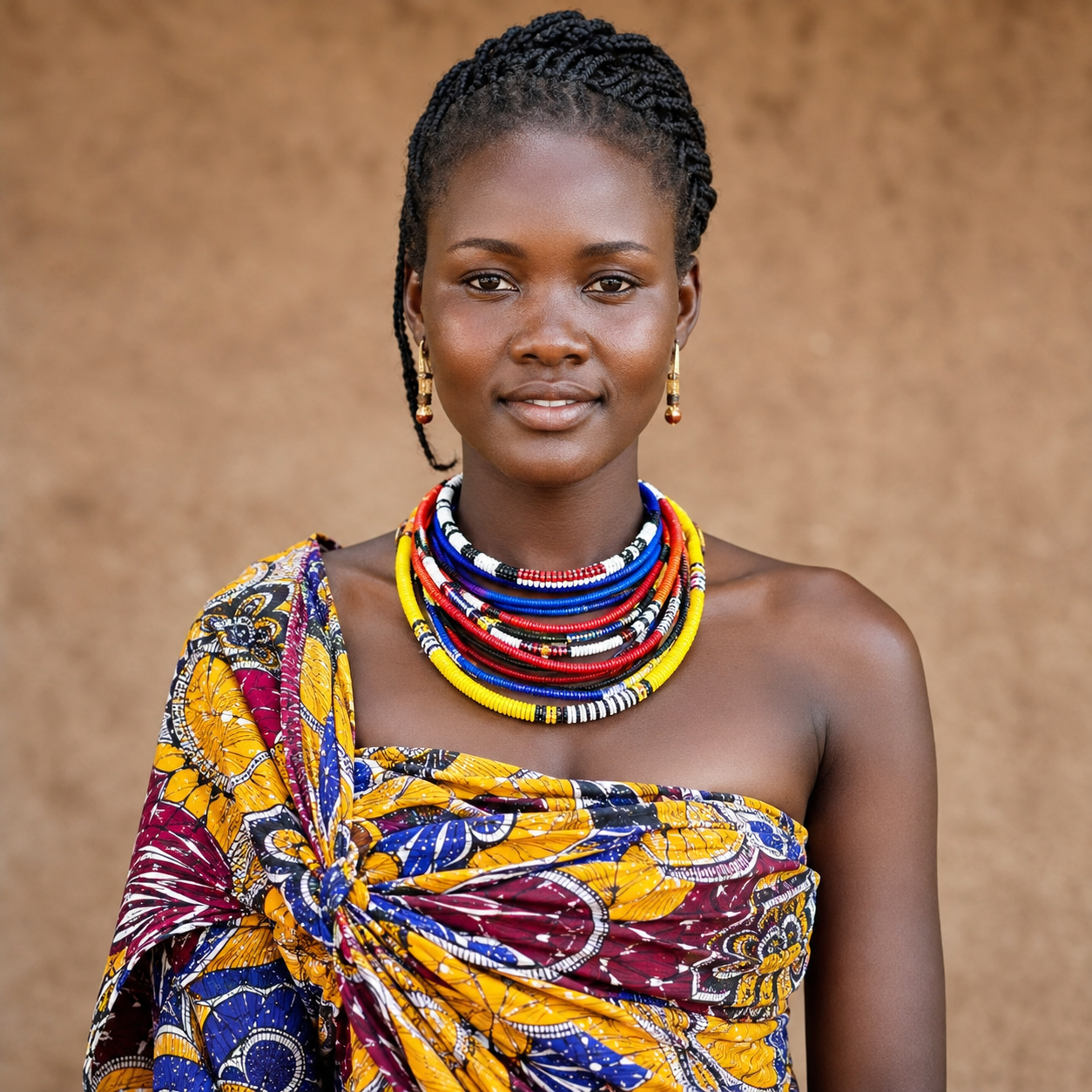
Acholi ceremonial dress may include wrapped cloth, beads, headwear, animal-skin inspired accessories, formal clothing and dance attire. Women may wear colourful wrappers, dresses and beads, while men may wear traditional cloth, shirts, beads or dance accessories for ceremonies and cultural events.
Acholi marriage negotiations commonly include family introduction, bridewealth discussions, gifts, food, drinks and blessings. Bridewealth may historically involve cattle or other agreed items, but requirements vary by family, clan and modern agreement.
Acholi performance traditions include Bwola royal dance, Larakaraka courtship dance, drumming, singing, call-and-response, ululation and community festival dances.
Common Acholi foods include millet bread, posho, sorghum, cassava, beans, groundnuts, greens, simsim, chicken, goat, beef, fish in some areas and traditional relishes.
Acholi crafts include basketry, pottery, mats, beadwork, drums, musical instruments, carved items and household tools.
Acholi origins are preserved through Luo migration histories, clan narratives and oral traditions across northern Uganda and South Sudan. Different clans preserve their own lineage memories.
Acholi history includes Luo-speaking settlement, clan organisation, farming, cattle keeping, regional kingdoms and chiefdoms, colonial rule, Christianity, conflict and displacement in northern Uganda, recovery, urbanisation and diaspora identity.
Modern Acholi dating varies by family, religion and location. Serious relationships often move toward family awareness, formal introduction and marriage discussions.
Acholi marriage is family-centred and commonly includes introduction, bridewealth discussions, family blessings and customary, church or civil ceremonies.
Traditional Acholi belief includes ancestors, spirits, moral order and community ritual life. Many Acholi people today are Christian while preserving selected cultural customs.
Leadership may include clan elders, chiefs, family heads, religious leaders and community authorities.
Sensitive areas include disrespecting elders, exposing private marriage negotiations, misrepresenting conflict history and treating all Acholi clans as identical.