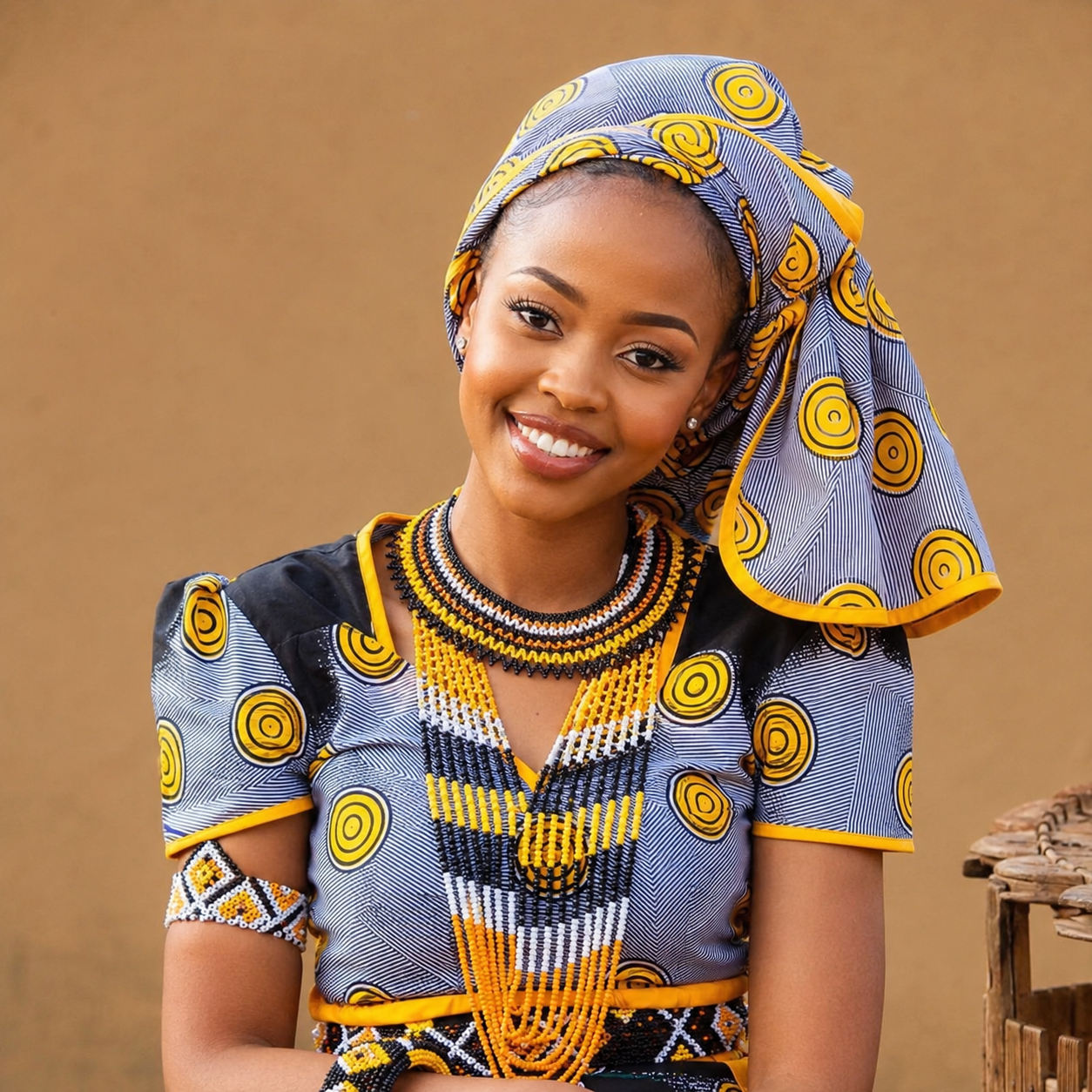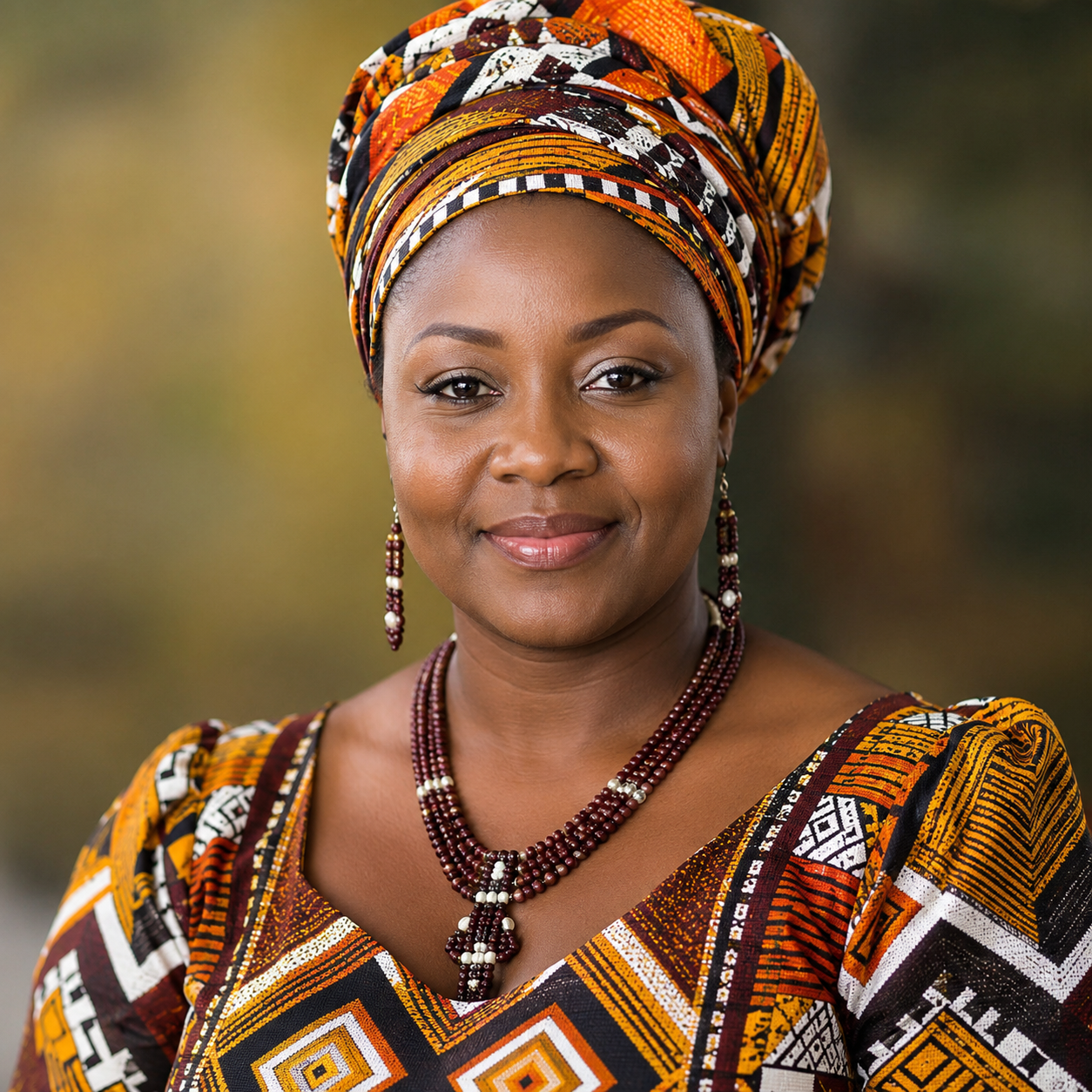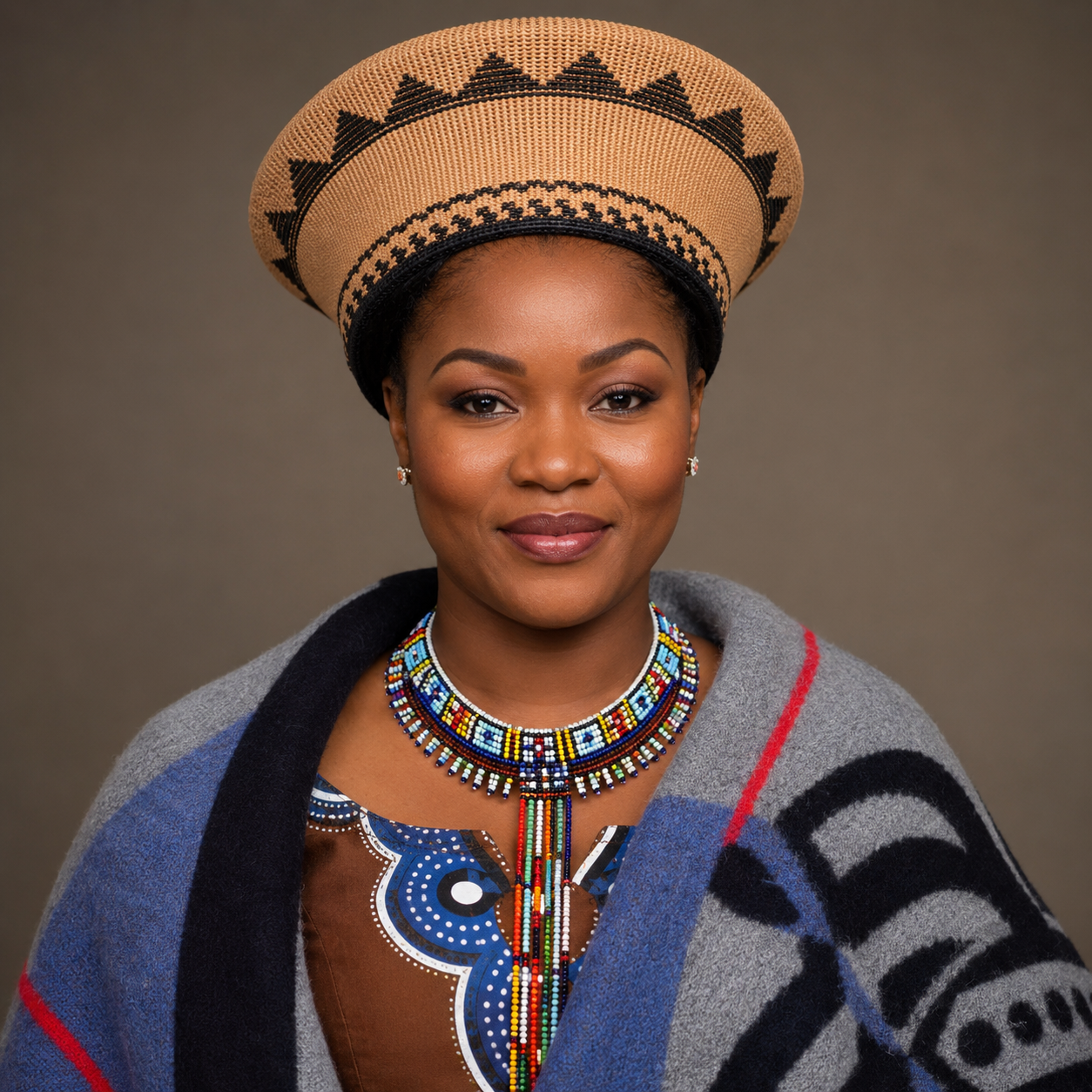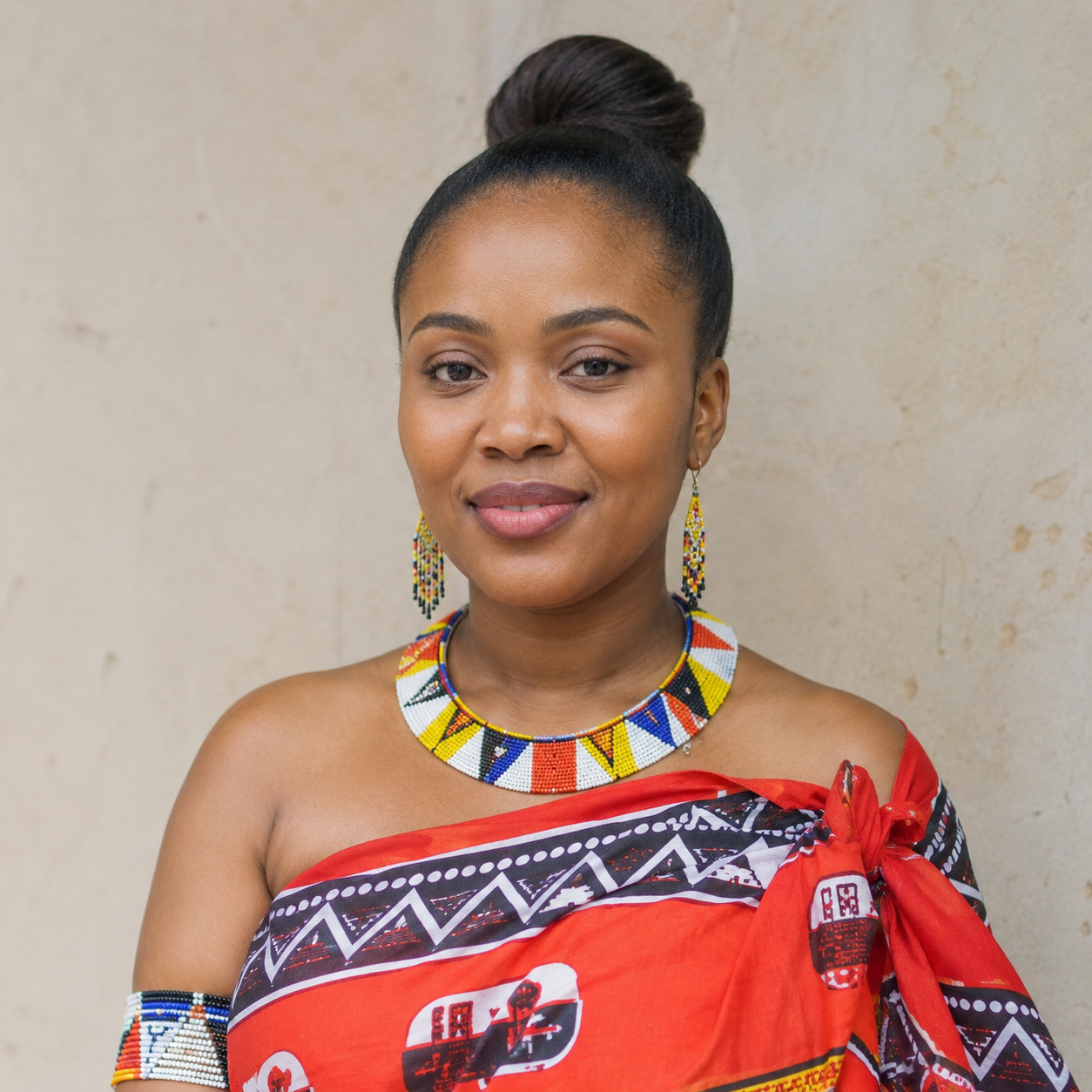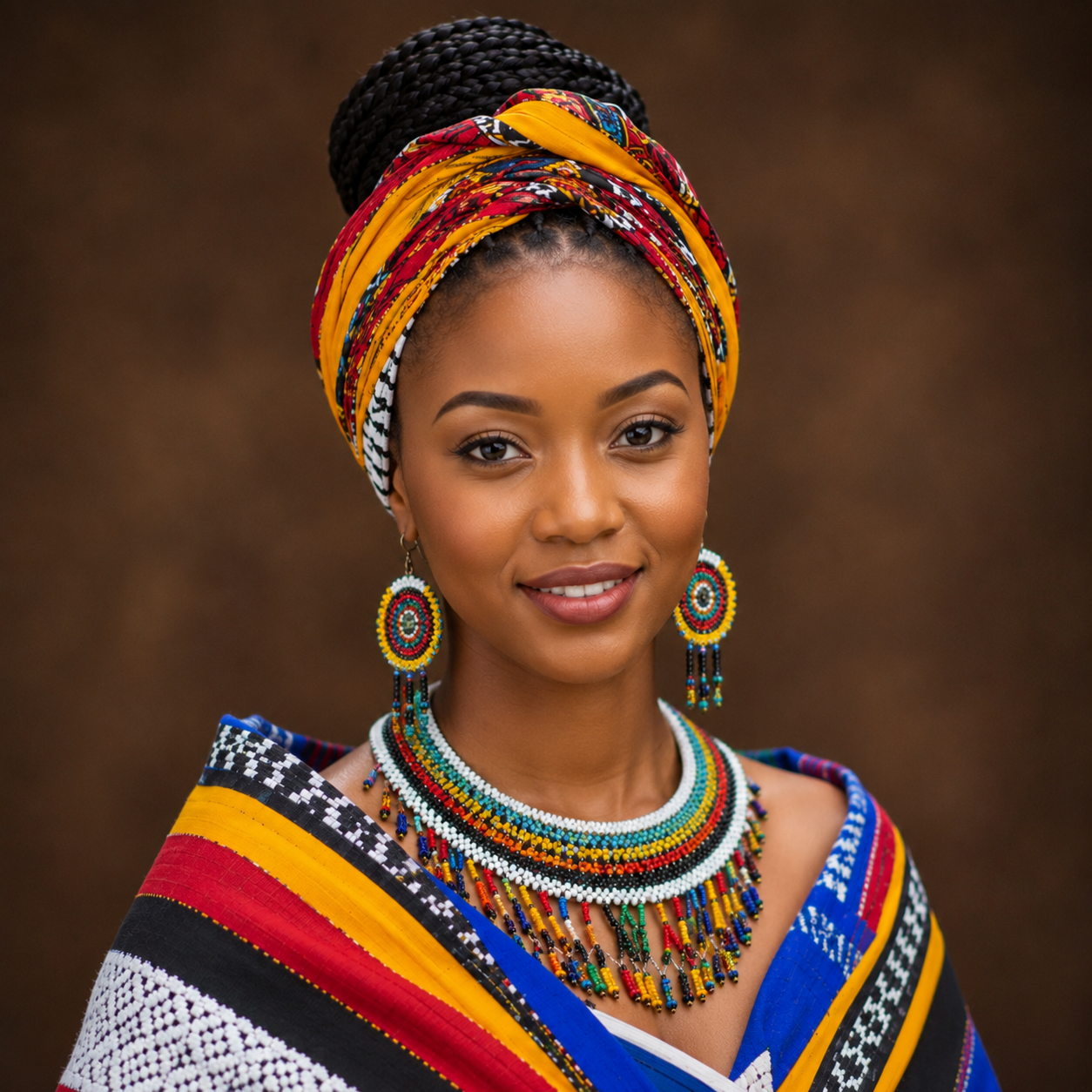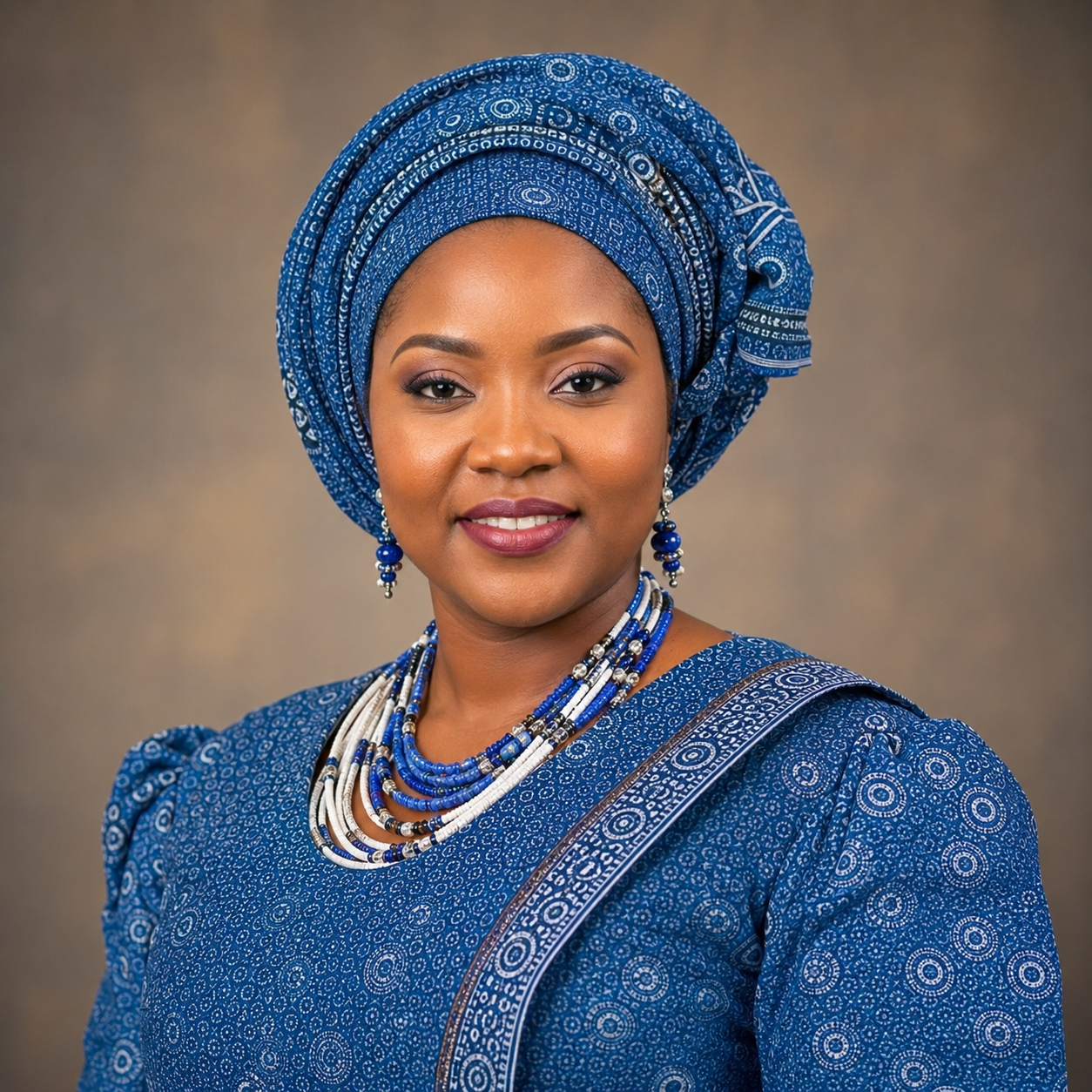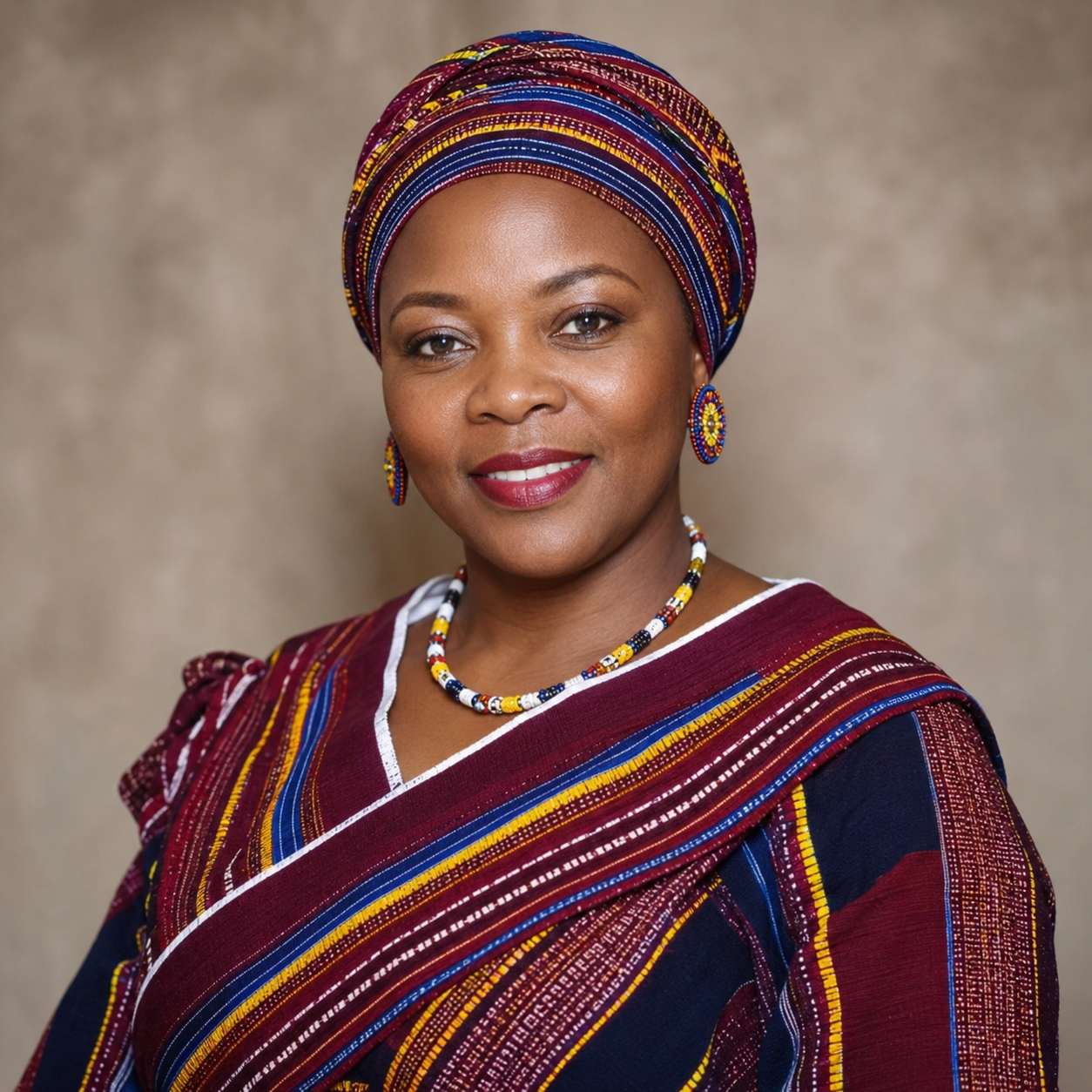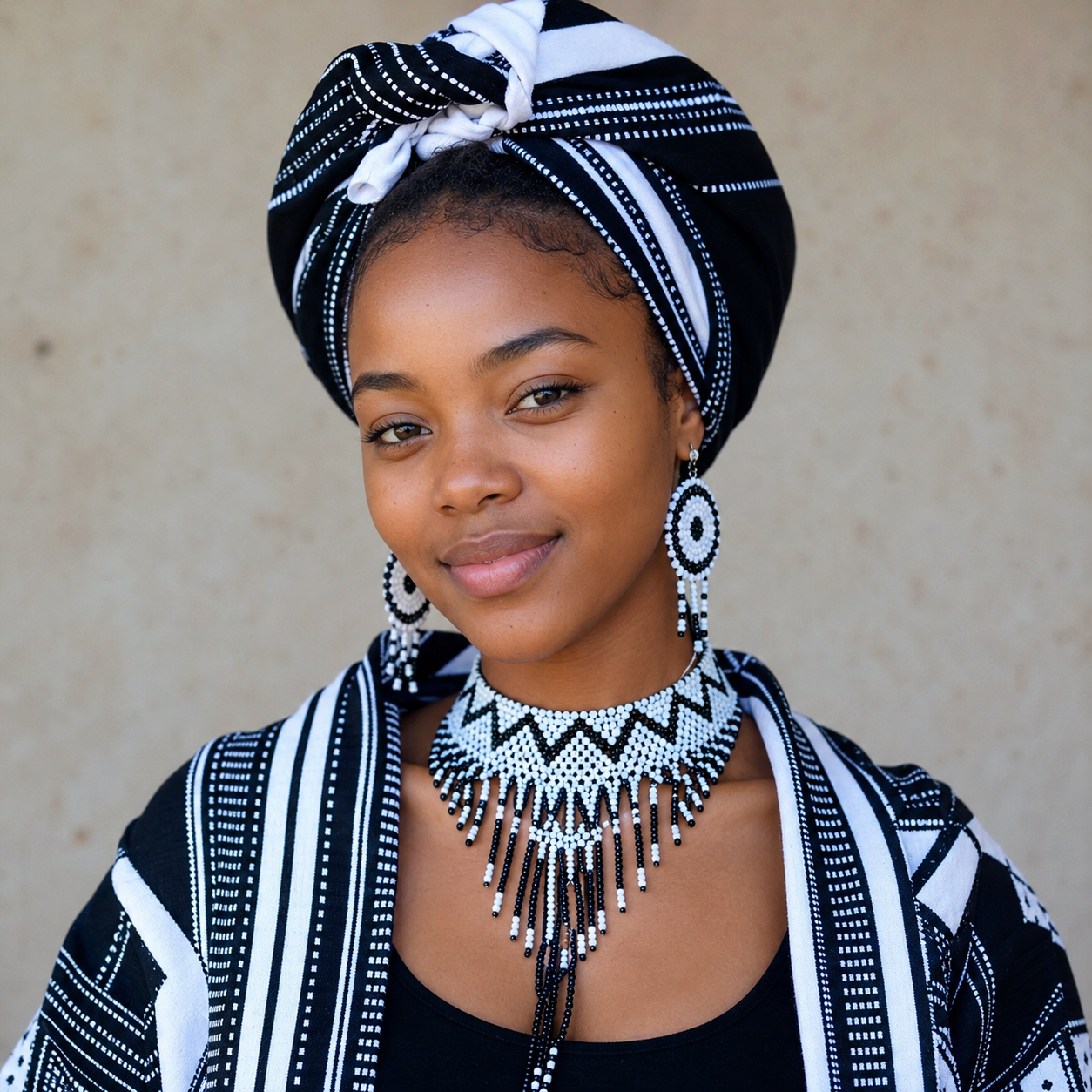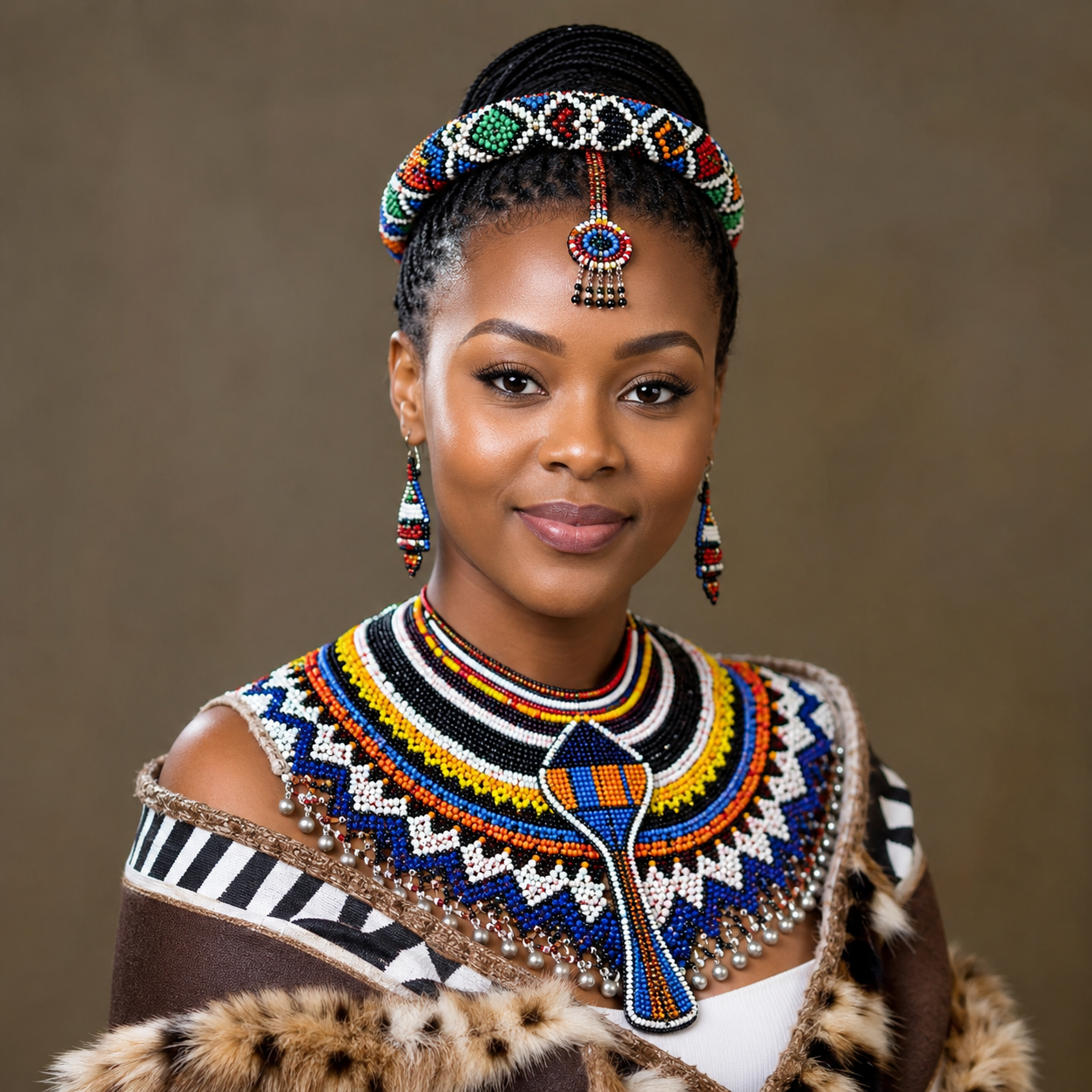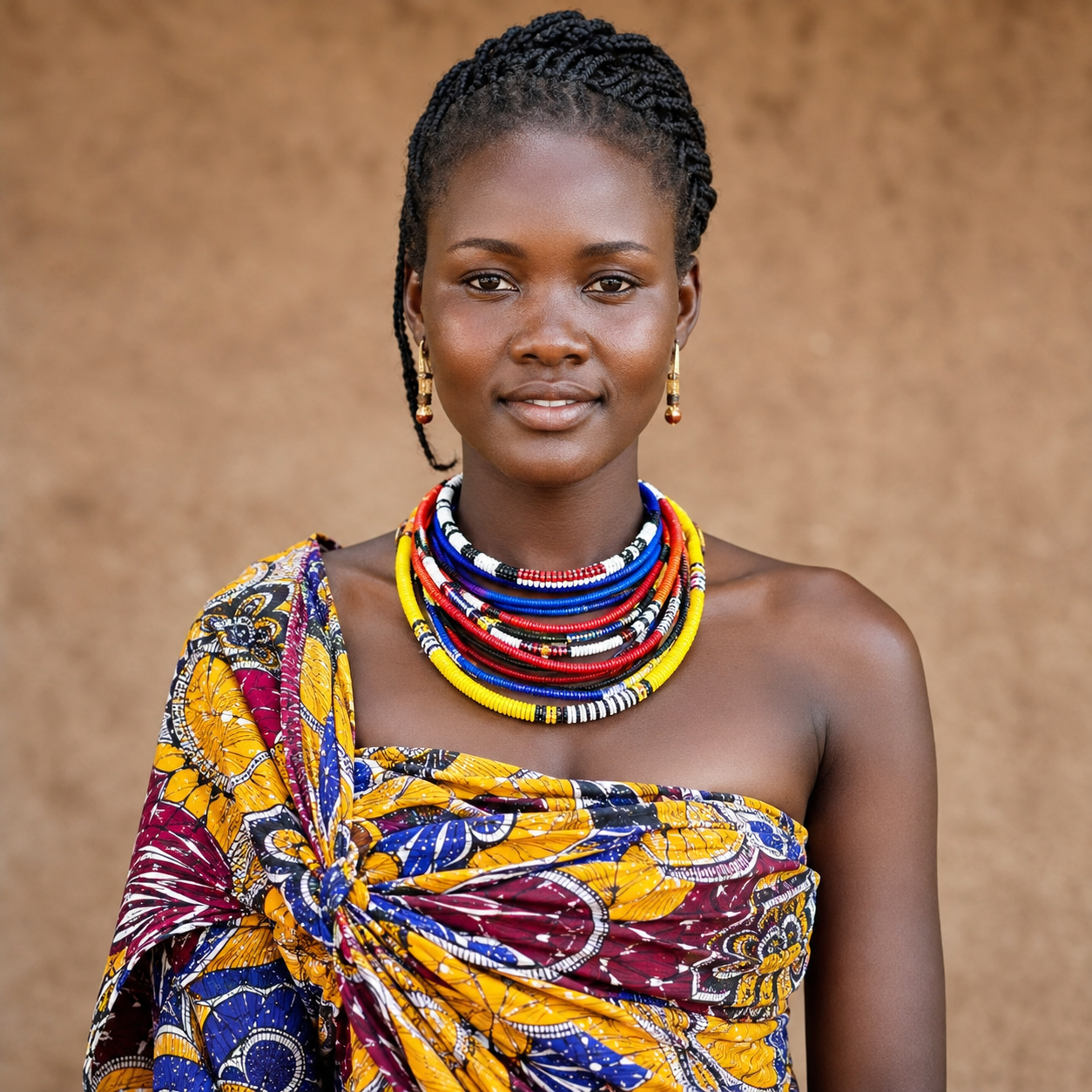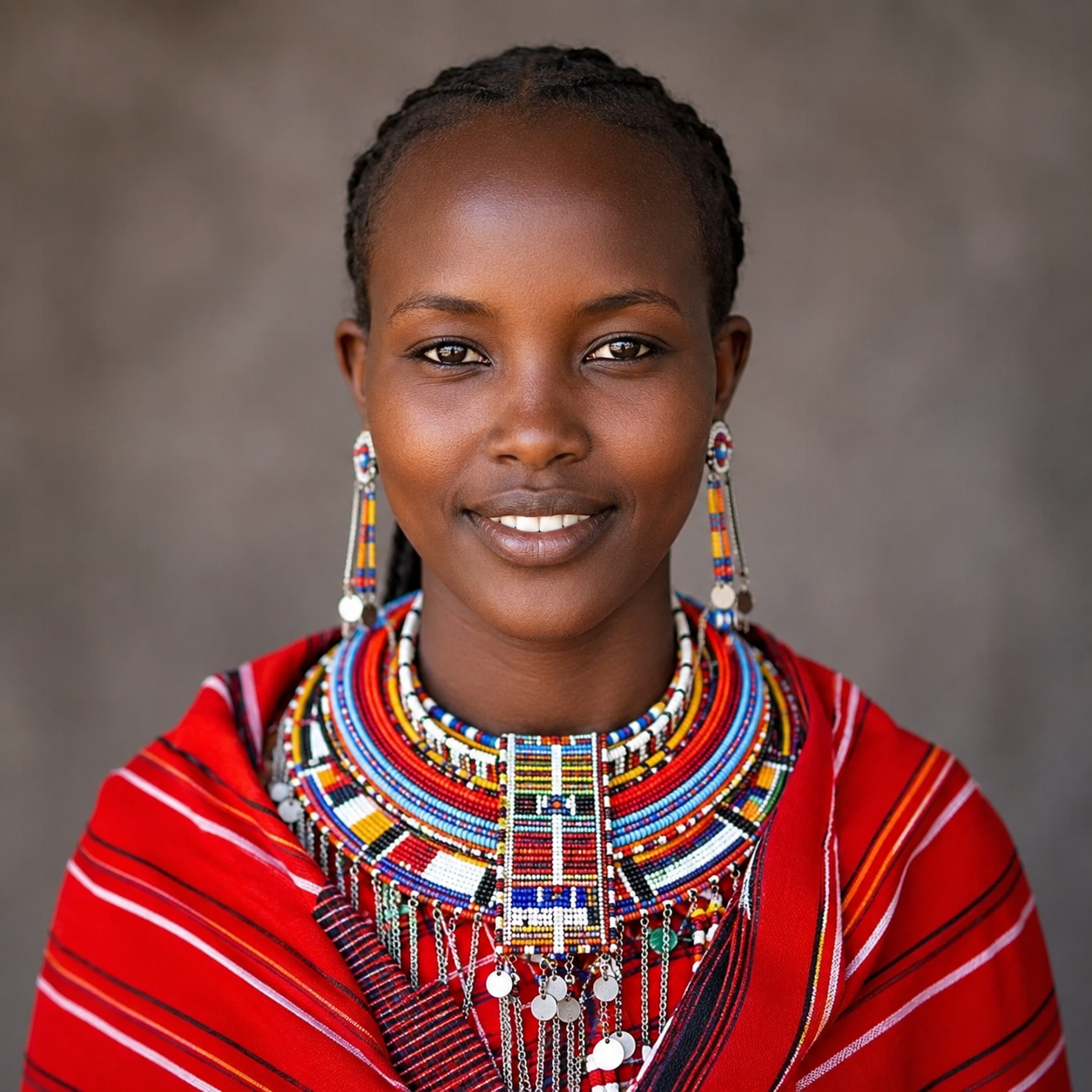
The Maasai are a well-known Nilotic people of Kenya and Tanzania, recognised for Maa language, pastoral cattle culture, red shúkà clothing, beadwork, age-set traditions, warrior heritage, jumping dance, strong community values and deep connection to land, livestock and family identity.
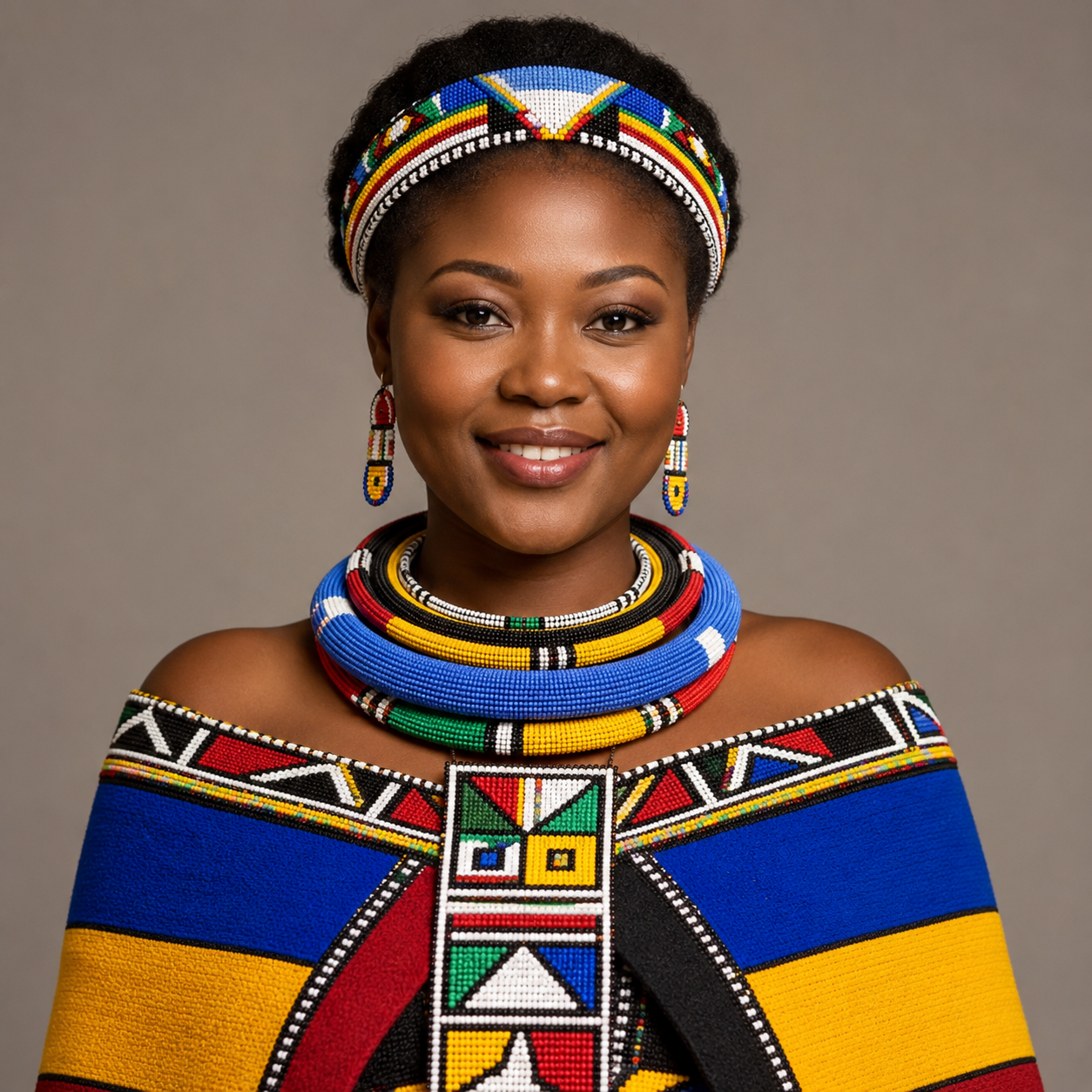
The Ndebele are Nguni-speaking people of Southern Africa, known for isiNdebele language, bold geometric house painting, beadwork, colourful ceremonial dress, strong family values, lobola marriage customs, respect for elders, clan identity and cultural traditions across South Africa and Zimbabwe.
The Pedi, also known as Bapedi or Northern Sotho, are a Southern African people mainly associated with Limpopo, known for Sepedi language, strong family and clan values, bogadi marriage customs, praise names, initiation traditions, music, dance, food heritage and respect for elders and ancestors.
The Shona are one of Zimbabwe’s largest cultural and language groups, known for ChiShona, family-centred values, roora marriage customs, mbira music, mitupo totems, stone sculpture, sadza-based meals, and respect for elders, ancestors and community.
The Sotho, also known as Basotho, are a Southern African cultural and language group strongly associated with Lesotho and South Africa, known for Sesotho, Basotho blankets, the mokorotlo hat, strong family values, bohali marriage customs, praise poetry, music, farming traditions and respect for elders and ancestors.
The Swati, also known as Swazi, are a Nguni people mainly associated with Eswatini and eastern South Africa, known for siSwati language, royal traditions, family values, lobola customs, reed dance, incwala, beadwork, cattle culture, music, dance and respect for elders and ancestors.
The Tsonga are a Southern African cultural and language group associated with Xitsonga, family-centred values, lobola marriage customs, xibelani dance, colourful dress, ancestor respect, traditional music, storytelling, food traditions and communities across South Africa, Mozambique, Zimbabwe and Eswatini.
The Tswana, also known as Batswana, are a Sotho-Tswana people of Southern Africa known for Setswana language, bogadi marriage customs, bogobe and seswaa foods, strong family values, chiefly traditions, praise poetry, music, basketry and communities across Botswana and South Africa.
The Venda, or Vhavenda, are a Southern African people mainly associated with northern Limpopo and parts of Zimbabwe, known for Tshivenda language, royal and clan traditions, sacred sites, domba dance, ngoma drums, family values, lobola customs, ancestor respect, pottery, wood carving and rich oral history.
The Xhosa are a major Nguni people of Southern Africa, known for isiXhosa language, clan names and praise names, strong family values, lobola customs, beadwork, traditional dress, umngqusho food, music, dance, initiation traditions and respect for elders and ancestors.
The Zulu are a major Nguni people of Southern Africa, known for isiZulu language, KwaZulu-Natal heritage, family-centred values, lobola customs, beadwork, dance, praise poetry, cattle traditions, ancestral respect, royal history and the legacy of leaders such as Shaka kaSenzangakhona.
The Acholi are a Luo-speaking people of northern Uganda and South Sudan, known for Acholi language, strong clan and family systems, bridewealth customs, Bwola and Larakaraka dances, farming traditions, oral history, music, storytelling and respect for elders.