United States / Diaspora communities
African Americans are a people and cultural community in the United States with deep roots in African ancestry, enslavement, resistance, freedom struggles, family and church life, music, foodways, literature, civil rights, creativity, entrepreneurship and global cultural influence.
Hello / Hey / How are you?
Hello · American English
How you doing? / How are you?
How are you? · African American English / American English
Thank you / Appreciate it
Thank you · American English
African Americans are a people and cultural community in the United States, shaped by African ancestry, the history of enslavement, emancipation, Reconstruction, segregation, civil rights struggles, migration, family networks, religious life, music, foodways, literature, art, entrepreneurship and global cultural influence.
African American identity is not one tribe in the narrow ethnic sense. It is a broad historical and cultural identity that includes many regional, religious, class, linguistic and family experiences. Public content should avoid treating African Americans as a single uniform culture or reducing identity only to trauma, music or popular culture.
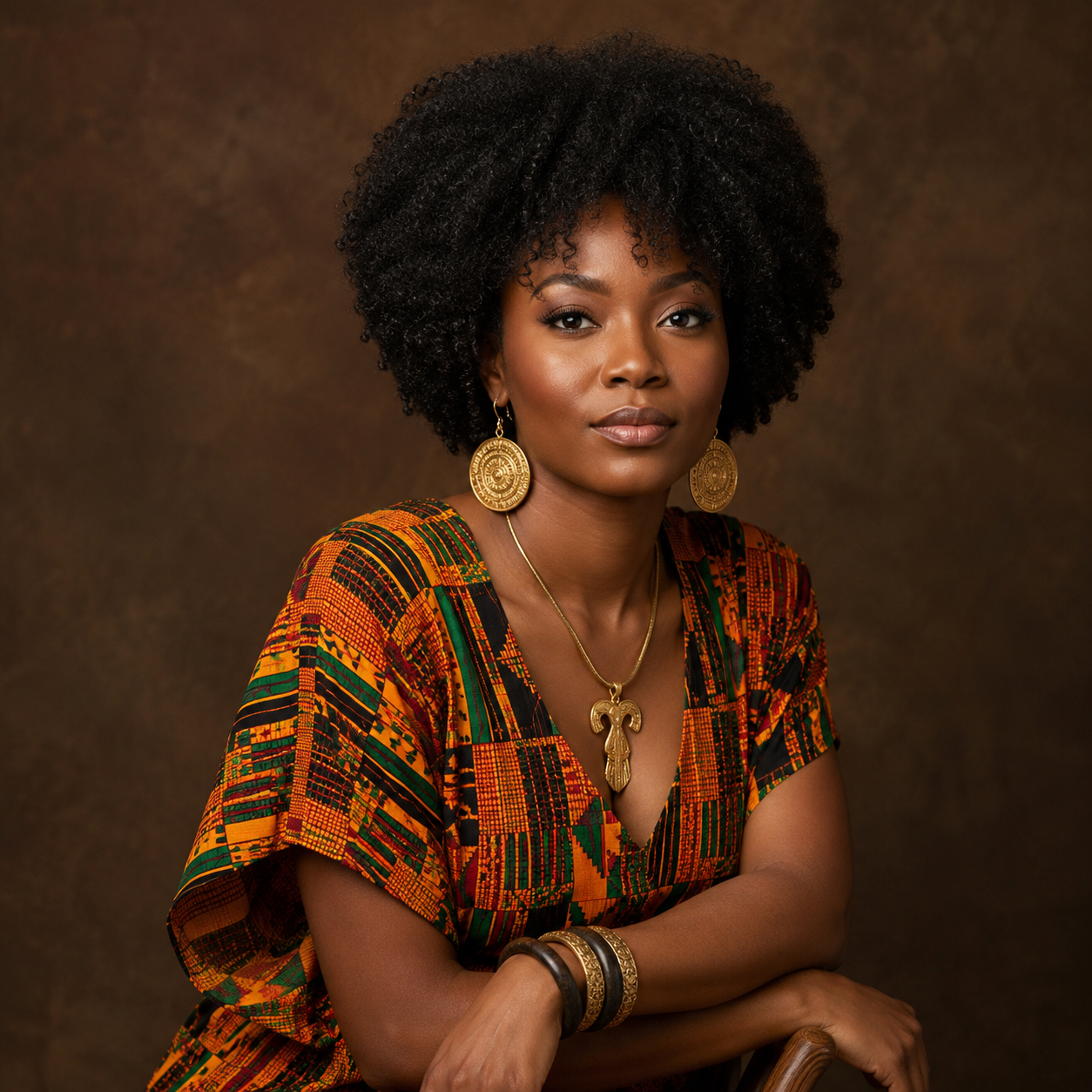
African American dress is diverse and changes by region, age, religion, class, occasion and personal style. Cultural clothing may include church attire, formal wear, graduation clothing, African-inspired prints, Kente cloth in ceremonial contexts, headwraps, natural hair styles, streetwear, business fashion and creative styles connected to music, art and community identity.
Dress can express dignity, resistance, beauty, faith, heritage, creativity and belonging.
African American marriage customs vary widely and are usually shaped by family tradition, religion, region and personal preference rather than a single bridewealth system. Common elements may include family introductions, engagement, church or civil ceremony planning, family blessing, bridal showers, rehearsal dinners, jumping the broom in some weddings, wedding receptions and blended cultural or religious practices.
There is no universal African American lobola or bridewealth list. Public content should describe marriage practices broadly and avoid inventing a single customary payment system.
African American dance traditions are extremely influential and include social dances, ring shout traditions, jazz dance, tap, swing, stepping, hip-hop dance, praise dance, majorette styles, Chicago footwork, krump and many regional forms. Dance can express worship, joy, resistance, community, creativity, celebration and youth culture.
African American foodways include soul food, barbecue, seafood, rice dishes, greens, cornbread, beans, okra, sweet potatoes, fried chicken, gumbo, jambalaya, black-eyed peas, peach cobbler and many regional traditions. Food reflects African, Indigenous, European, Caribbean and regional American influences.
African American cultural arts include quilting, hair artistry, beadwork, visual art, mural work, ceramics, fashion, photography, design, instrument-making, church arts, community memorial art and contemporary digital creativity. Quilting and textile traditions are especially important in many families and communities.
African American origins are rooted in the forced migration of Africans through the transatlantic slave trade, the survival and transformation of African cultural memory in the Americas, and the development of new Black communities in the United States.
Because enslaved Africans came from many regions and ethnic groups, African American identity is not reducible to one African origin. It is a historical, cultural and political identity formed through survival, resistance, family, faith, creativity and community building.
African American history includes African ancestry, enslavement, resistance, emancipation, Reconstruction, Jim Crow segregation, the Great Migration, civil rights struggles, Black Power movements, cultural renaissance, religious leadership, artistic innovation, entrepreneurship, political participation and ongoing struggles for equality.
African Americans have shaped global music, literature, sport, politics, fashion, cuisine, theology, scholarship, technology and popular culture.
African American dating expectations vary widely by family, religion, region, age and personal values. Serious relationships may involve family approval, shared values, financial responsibility, faith compatibility, emotional maturity and respect for family history and community identity.
African American marriage practices are diverse. Couples may choose church weddings, civil weddings, traditional receptions, jumping the broom, family prayers, gospel music, cultural clothing, blended African-inspired elements or fully modern ceremonies. Practices differ by family and religion.
African American religious life is diverse and includes Christianity, Islam, African diasporic spiritualities, Judaism, traditional African-inspired practices, secular humanism and other beliefs. The Black church has been especially influential in community organising, music, education and civil rights history.
Leadership may include family elders, pastors, imams, community organisers, educators, artists, activists, business leaders, civic leaders and cultural workers. African American leadership is often community-based rather than tied to a single hereditary tribal authority.
Sensitive areas include slavery, racism, police violence, segregation, colorism, stereotypes, cultural appropriation, family trauma, respectability politics, religious difference and treating African Americans as culturally identical. Content should be respectful, historically aware and avoid flattening a broad identity into stereotypes.