Ghana / Côte d’Ivoire / Diaspora communities / Togo
The Akan are a major West African cultural and language family mainly associated with Ghana and Côte d’Ivoire, known for Akan languages, matrilineal clan systems, kente cloth, gold heritage, naming traditions, bridewealth customs, festivals, proverbs, music, food and strong family values.
Agoo / Maakye depending on time
Hello · Akan/Twi
Maakye
Good morning · Twi
Wo ho te sen?
How are you? · Twi
Medaase
Thank you · Twi
Akwaaba
Welcome · Twi
The Akan are a major West African cultural and language family mainly associated with Ghana and Côte d’Ivoire. Akan identity is connected to language, matrilineal clans, family lineage, stools and chieftaincy, gold heritage, naming traditions, marriage customs, festivals, proverbs, music, food and respect for elders.
Akan includes several related communities, so public content should describe broad patterns while recognising that Ashanti, Fante, Akuapem, Akyem, Bono, Nzema and other groups have distinct histories and customs.
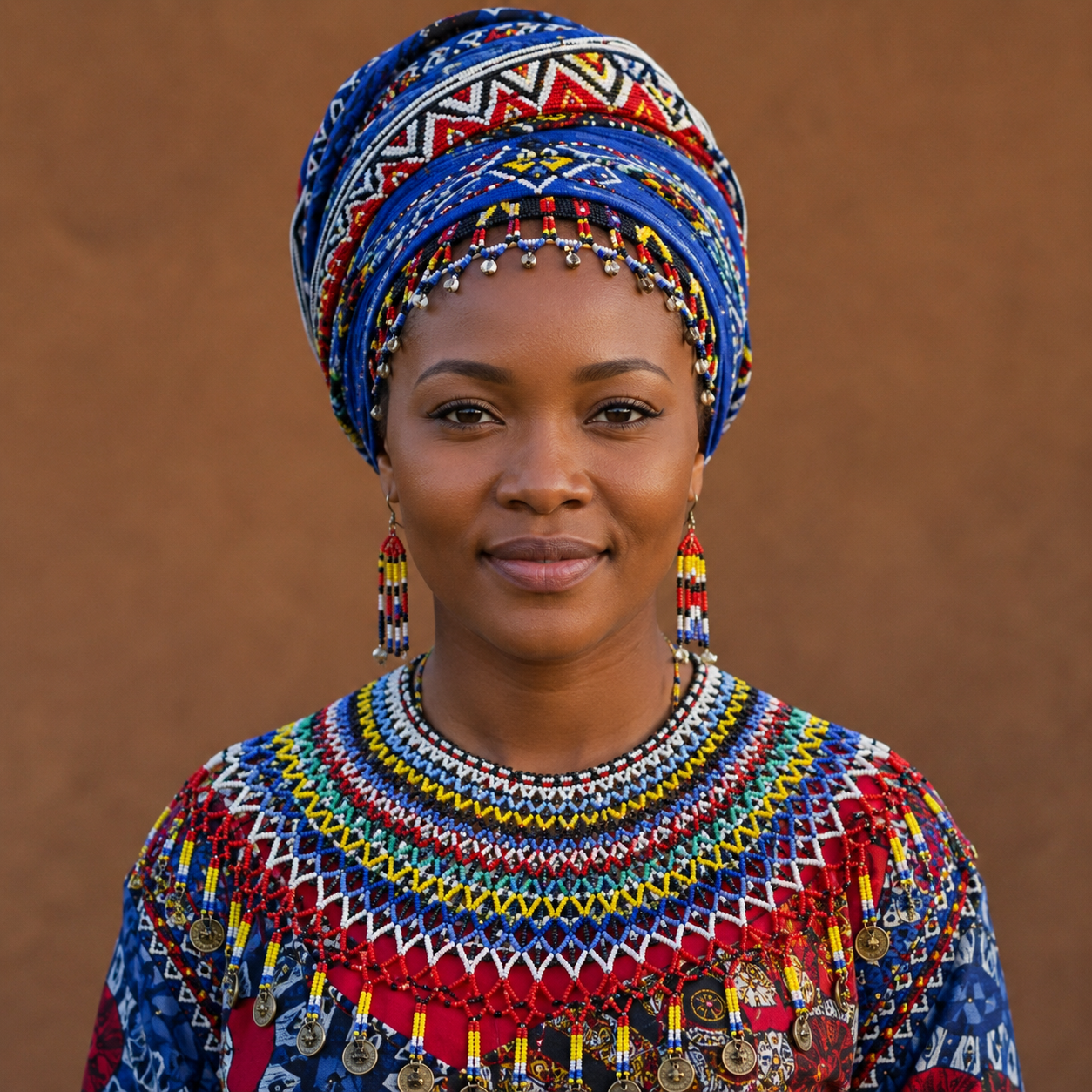
Akan ceremonial dress often includes kente cloth, rich woven fabrics, beads, gold jewellery, headwraps, sandals and formal garments. Men may drape kente or wear formal cloth styles, while women may wear kaba and slit, kente, beads and ceremonial jewellery.
Dress is important at weddings, festivals, funerals, naming ceremonies, church events and chieftaincy occasions.
Akan marriage customs commonly include family introduction, knocking ceremony, drinks, gifts, bridewealth or agreed customary items, clothing, rings in modern settings, family blessings and public recognition.
Details vary by family, church, region and Akan subgroup. Bridewealth should be described as respect and family union rather than purchase.
Akan performance traditions include adowa, kete, fontomfrom, highlife-influenced music, praise singing, drumming, funeral dances, festival performances and courtly music linked to chieftaincy.
Common Akan foods include fufu, light soup, palm nut soup, kontomire stew, ampesi, banku, kenkey in coastal settings, rice dishes, plantain, yam, cassava, fish, goat, chicken and groundnut soup.
Akan crafts include kente weaving, goldsmithing, adinkra cloth, wood carving, stool carving, pottery, beadwork, brass weights, drums and ceremonial regalia.
Akan origins are preserved through clan histories, migration stories, stool traditions and oral memory across Ghana and Côte d’Ivoire. Different Akan subgroups preserve distinct histories linked to towns, chiefs and matrilineal clans.
Because Akan is a broad cultural family, no single origin story applies identically to every Akan household.
Akan history includes forest kingdoms, gold trade, matrilineal clans, chieftaincy, stool symbolism, kente weaving, adinkra, trade with Europeans, colonial change, Christianity, urbanisation and diaspora life.
Today Akan identity continues through language, names, clan systems, festivals, chieftaincy, music, food, fashion and Ghanaian national culture.
Modern Akan dating varies by family, religion and location. Serious relationships often move toward family awareness, background checks, formal introduction and marriage discussions.
Akan marriage is family-centred and commonly includes the knocking ceremony, family negotiations, customary gifts, blessings and customary, church or civil ceremonies.
Akan religious life includes Christianity, traditional beliefs, Islam in some families, ancestral respect, stool symbolism, moral order and clan identity. Beliefs vary by family and region.
Leadership includes chiefs, queen mothers, elders, clan heads, family heads, religious leaders and community authorities. Queen mothers are especially significant in many Akan chieftaincy systems.
Sensitive areas include disrespecting chiefs or queen mothers, misusing sacred stools, mocking clan identity, exposing private marriage negotiations and treating all Akan groups as identical.