Morocco / Algeria / Diaspora communities / Libya / Mali / Niger / Tunisia
The Amazigh, also known as Berber, are Indigenous peoples of North Africa, known for Tamazight language varieties, mountain and desert heritage, clan identity, jewellery, weaving, tattoo symbolism in some traditions, music, marriage customs, couscous dishes and deep historical roots across the Maghreb and Sahara.
Azul
Hello · Tamazight
Tanemmirt
Thank you · Tamazight
Salam alaykum
Peace be upon you · Arabic / Islamic usage
The Amazigh, often called Berber in older or external usage, are Indigenous peoples of North Africa. Amazigh communities are found across Morocco, Algeria, Tunisia, Libya, the Sahara, Sahel borderlands and the diaspora. Identity is connected to Tamazight language varieties, land, clan history, family, Islam, music, weaving, jewellery, oral poetry, marriage customs and regional heritage.
Amazigh communities are diverse. Rif, Kabyle, Chleuh, Tuareg and other groups have distinct histories, dialects and customs, so public content should avoid treating all Amazigh people as identical.
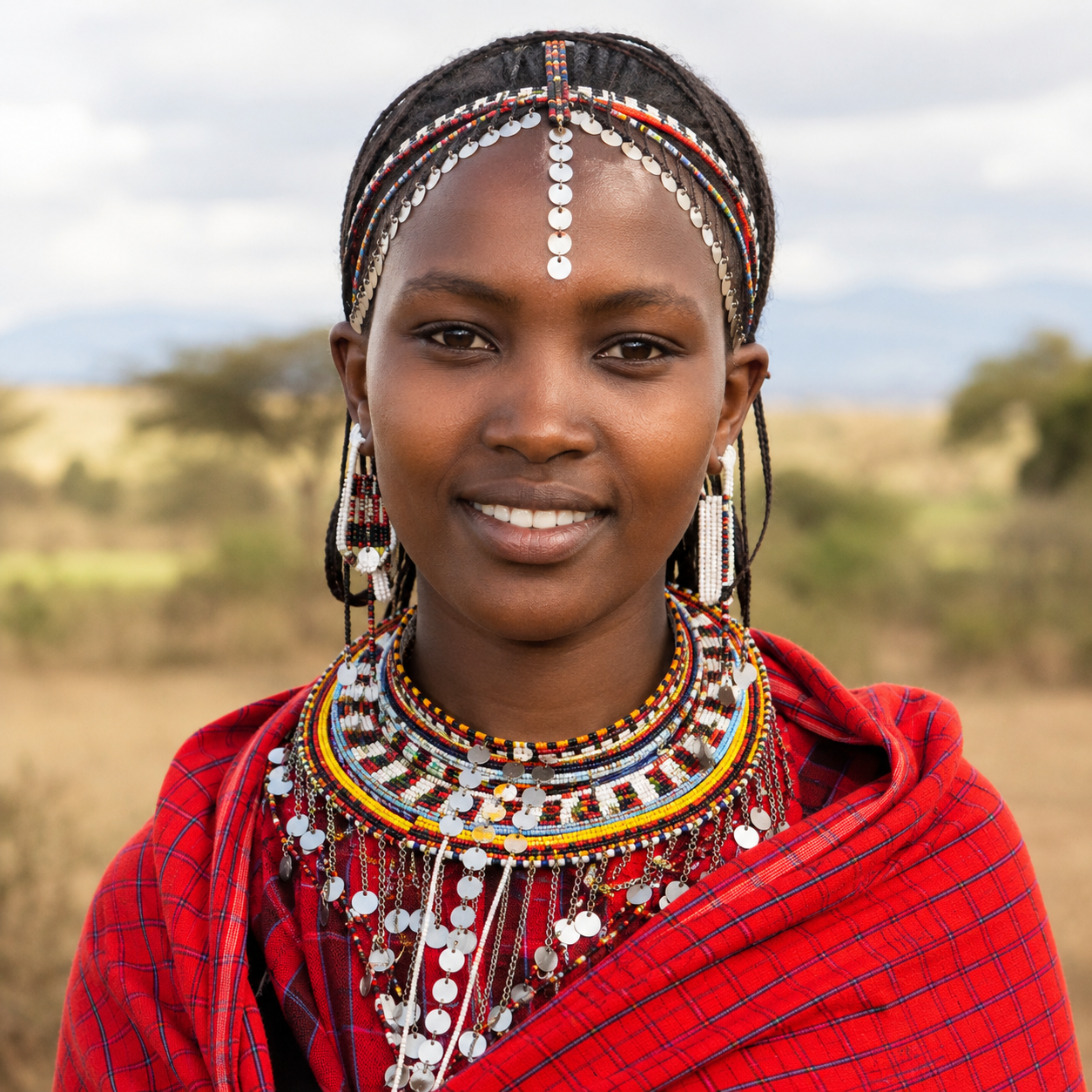
Amazigh dress varies by region and may include woven robes, colourful dresses, shawls, headscarves, turbans, silver jewellery, fibula brooches, embroidered garments and practical mountain or desert clothing.
Jewellery, weaving and patterned textiles are important visual markers in many communities, especially for weddings, festivals and heritage events.
Amazigh marriage customs vary by region and family. Common elements may include family agreement, Islamic marriage requirements, gifts, jewellery, clothing, food, public celebration, music and blessings.
No single Amazigh marriage list applies to every community. Practices differ between mountain, desert, rural, urban and diaspora families.
Amazigh performance traditions include ahwash, ahidous, Kabyle music, desert songs, drum and flute music, group dancing, call-and-response singing and wedding performances. Dance and music preserve poetry, history, courtship and community pride.
Common Amazigh foods include couscous, tagine, bread, olive oil, dates, milk, lamb, goat, vegetables, barley, wheat, honey, tea and regional mountain or desert dishes.
Amazigh crafts include weaving, carpets, silver jewellery, pottery, leatherwork, woodwork, embroidery, basketry, metalwork and decorated household items. Textile patterns and symbols can carry family, regional and protective meanings.
Amazigh origins are rooted in the Indigenous peoples of North Africa, with deep historical presence across the Maghreb and Sahara long before modern national borders. Different communities preserve distinct oral histories, clan memories and regional identities.
Because Amazigh identity is broad and regionally diverse, no single origin story applies to all Amazigh people.
Amazigh history includes ancient North African kingdoms, Roman and Carthaginian interactions, Islamisation, trade, mountain and desert communities, resistance to colonial rule, modern language revival and cultural recognition movements.
Today Amazigh identity continues through language, music, textiles, jewellery, food, family customs, activism and diaspora communities.
Modern Amazigh dating varies by country, religion, region and family. Serious relationships often move toward family knowledge, modest conduct, religious expectations and marriage discussions.
Amazigh marriage is commonly family-centred and may include family agreement, Islamic marriage procedures, gifts, jewellery, clothing, music, feasting and public celebration. Details vary strongly by region.
Most Amazigh people are Muslim, while some communities preserve older symbolic practices, protective motifs, saint veneration or local traditions alongside Islam. Beliefs vary by family and region.
Leadership may include elders, clan heads, village councils, religious leaders, community associations and local notables. Some historical Amazigh societies had strong tribal confederations and councils.
Sensitive areas include using Berber in a dismissive way, erasing Indigenous identity, mocking language, simplifying all Amazigh groups as one, and ignoring political sensitivities around language rights and cultural recognition.