Uganda / Diaspora communities / Tanzania
The Baganda, also known as Ganda, are a major people of Uganda, known for Luganda language, Buganda Kingdom heritage, clan systems, barkcloth and gomesi dress, kwanjula marriage introductions, matooke foods, music, dance, royal traditions and respect for elders.
Oli otya
Hello · Luganda
Webale
Thank you · Luganda
Wasuze otya
Good morning · Luganda
Tukusanyukidde
Welcome · Luganda
The Baganda are a major Bantu-speaking people of Uganda, strongly associated with the Buganda Kingdom and central Uganda. Baganda identity is connected to Luganda language, clans, family lineage, the Kabaka, royal history, barkcloth, marriage customs, music, dance, food, Christianity, Islam, older spiritual traditions in some families, elders and community responsibility.
Baganda customs vary by clan, family, religion, rural or urban setting and generation, so public content should describe broad cultural patterns while recognising local variation.
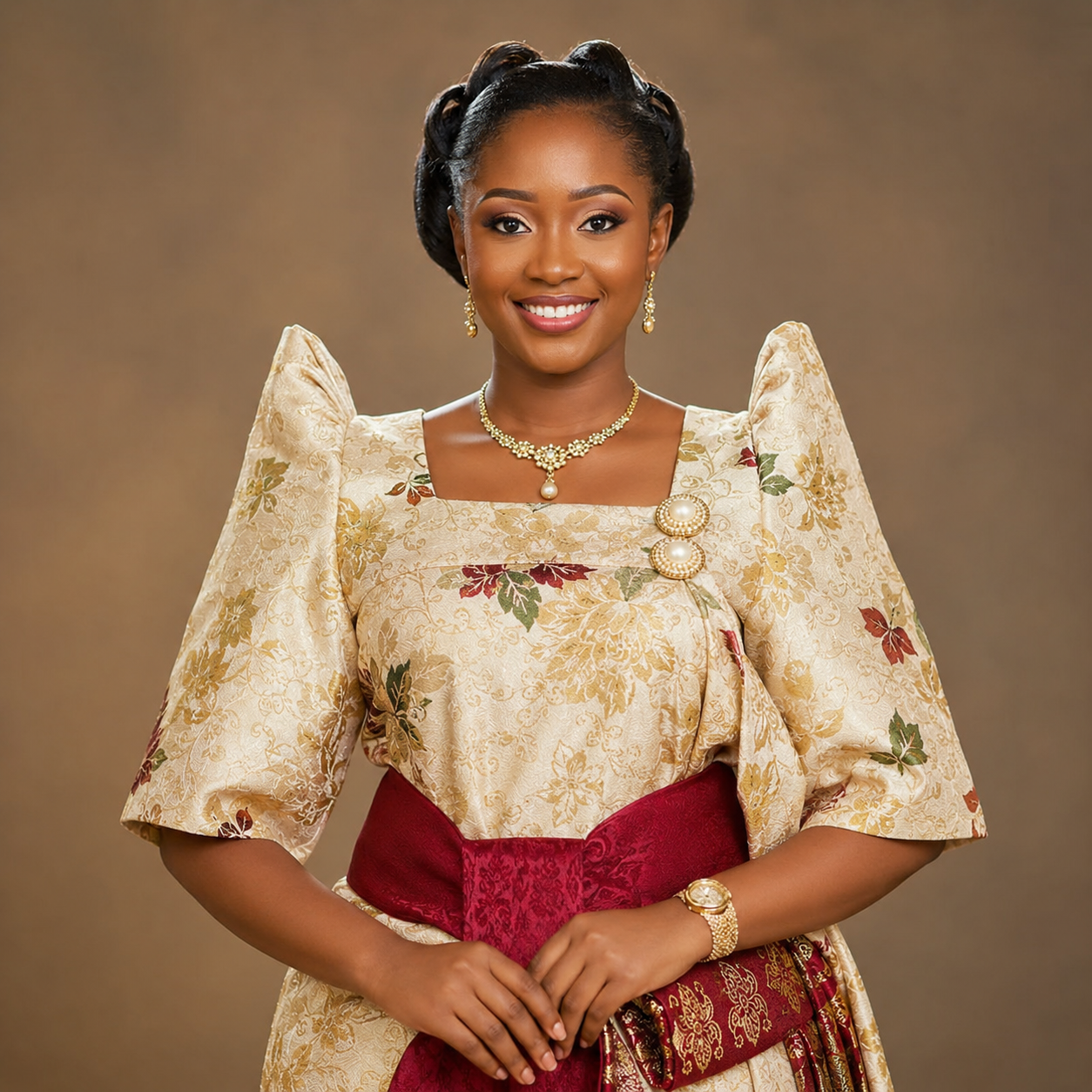
Baganda ceremonial dress is widely associated with the gomesi for women and the kanzu for men. Women may wear gomesi, sash, jewellery and headwraps for weddings, kwanjula and family ceremonies, while men may wear kanzu with a jacket, coat or formal accessories. Barkcloth is also an important cultural material.
Baganda marriage customs commonly include family introduction, kwanjula ceremony, bridewealth or agreed gifts, gomesi or clothing, food, drinks, family blessings and religious or civil recognition. Details vary by family, clan and religion, so no single list should be treated as universal.
Baganda performance traditions include bakisimba, nankasa, amaggunju royal dance, drumming, singing, call-and-response and wedding celebration dances.
Common Baganda foods include matooke, groundnut sauce, luwombo, beans, cassava, sweet potatoes, fish, chicken, beef, vegetables, millet bread and tea.
Baganda crafts include barkcloth production, basketry, mats, drums, wood carving, pottery, beadwork, royal regalia, household objects and musical instruments.
Baganda origins are preserved through clan histories, royal traditions and the history of the Buganda Kingdom. The Kabaka, royal lineages and clan totems are central to Baganda cultural memory, while individual families preserve their own lineage histories.
Baganda history includes the formation and expansion of the Buganda Kingdom, clan organisation, royal authority, trade, barkcloth production, missionary influence, colonial rule, Christianity, Islam, modern Ugandan politics, urbanisation and diaspora life.
Modern Baganda dating varies by family, religion and urban or rural setting. Serious relationships often move toward family knowledge, respectful introduction and kwanjula discussions.
Baganda marriage is family-centred and commonly includes introductions, kwanjula, bridewealth or gifts, family blessings, food, clothing and customary, church or civil ceremonies.
Many Baganda people are Christian or Muslim, while older Baganda spiritual traditions, clan totems, royal rituals and ancestral respect may remain culturally important in some families.
Leadership includes the Kabaka, royal institutions, clan heads, elders, family heads, religious leaders and community authorities.
Sensitive areas include disrespecting the Kabaka, clan totems, elders or private marriage negotiations, misrepresenting royal traditions and treating all Ugandan Bantu groups as identical.