Malawi / Diaspora communities / Mozambique / Zambia / Zimbabwe
The Chewa are a Central and Southern African people known for Chichewa/Nyanja language, strong family and clan values, matrilineal traditions in many communities, Gule Wamkulu masquerades, farming culture, marriage customs, music, dance and rich oral heritage.
Moni
Hello · Chichewa
Muli bwanji?
How are you? · Chichewa
Zikomo
Thank you · Chichewa
Tsalani bwino
Goodbye · Chichewa
The Chewa are mainly associated with Malawi, Zambia and Mozambique, with related Nyanja-speaking communities across the region. Chewa identity is connected to language, clan history, farming, family, respect for elders, marriage customs, Gule Wamkulu masquerades, music, dance and community responsibility.
Chewa customs vary by country, village, church, family and generation. Public content should recognise broad cultural patterns without treating every household as identical.
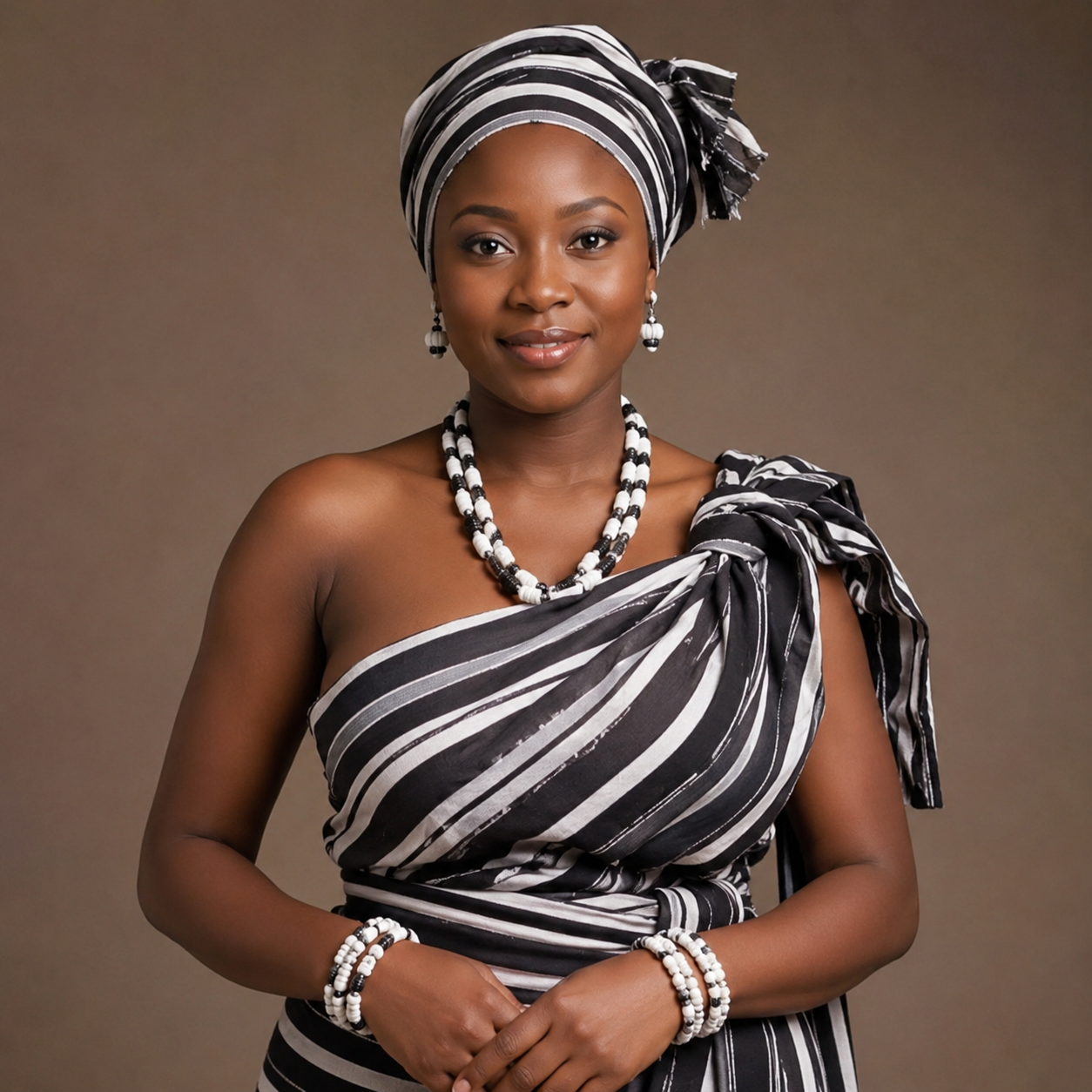
Chewa ceremonial dress may include chitenje cloth, wrappers, headwraps, beads, masks and performance attire. Women often use colourful chitenje fabrics for ceremonies and daily life, while men may wear formal clothing, cloth wraps or masquerade attire in specific cultural contexts.
Chewa marriage customs vary widely. Some communities emphasise family introductions, bridewealth or gifts, while matrilineal traditions in many Chewa areas may shape residence, inheritance and family roles differently from strongly patrilineal systems. Families usually discuss expectations, gifts, food, blessings and ceremony arrangements.
Chewa dances include Gule Wamkulu masquerade performances, drumming, singing, call-and-response, community celebration dances and rites-of-passage performances.
Common Chewa foods include nsima, maize meal porridge, beans, groundnuts, vegetables, pumpkin leaves, fish, chicken, goat, cassava, sweet potatoes and traditional relishes.
Chewa crafts include masks, carving, basketry, pottery, mats, drums, cloth work and household items. Gule Wamkulu masks and costumes are especially important cultural art forms.
Chewa origins are preserved through oral traditions, clan histories and regional memories across Malawi, Zambia and Mozambique. Different communities maintain different histories, so Chewa identity should be treated as a broad cultural and language identity.
Chewa history includes farming, migration, regional kingdoms, matrilineal family systems in many communities, Gule Wamkulu institutions, colonial rule, Christianity, labour migration and modern national identities in Malawi, Zambia and Mozambique.
Modern Chewa dating varies by country, religion and family. Serious relationships often move toward family knowledge, respectful introduction and marriage discussions.
Chewa marriage is family-centred and may include introductions, gifts, bridewealth or family agreements, blessings and customary, church or civil ceremonies. Details differ strongly by community.
Traditional Chewa belief includes ancestors, moral order, community ritual life and Gule Wamkulu institutions. Many Chewa people today are Christian while preserving selected cultural customs.
Leadership may include chiefs, village headmen, elders, initiation leaders and family heads.
Sensitive areas include exposing private initiation practices, mocking masquerades, disrespecting elders and presenting one village’s custom as universal.