Nigeria / Cameroon / Diaspora communities
The Efik are a Cross River people of south-eastern Nigeria, known for Efik language, Calabar heritage, elegant traditional dress, Ekombi dance, rich cuisine, bridewealth customs, riverine trade history, family values and respect for elders.
Mọkọm
Hello · Efik
Sosongo
Thank you · Efik
Idem fo?
How are you? · Efik
The Efik are a people of the Cross River region of south-eastern Nigeria, especially associated with Calabar and surrounding communities. Efik identity is connected to language, riverine trade history, family lineage, cuisine, marriage customs, Ekombi dance, elegant dress, Christianity, elders and community responsibility.
Efik culture varies by family, religion, location and generation, so public content should describe broad patterns while recognising local variation.
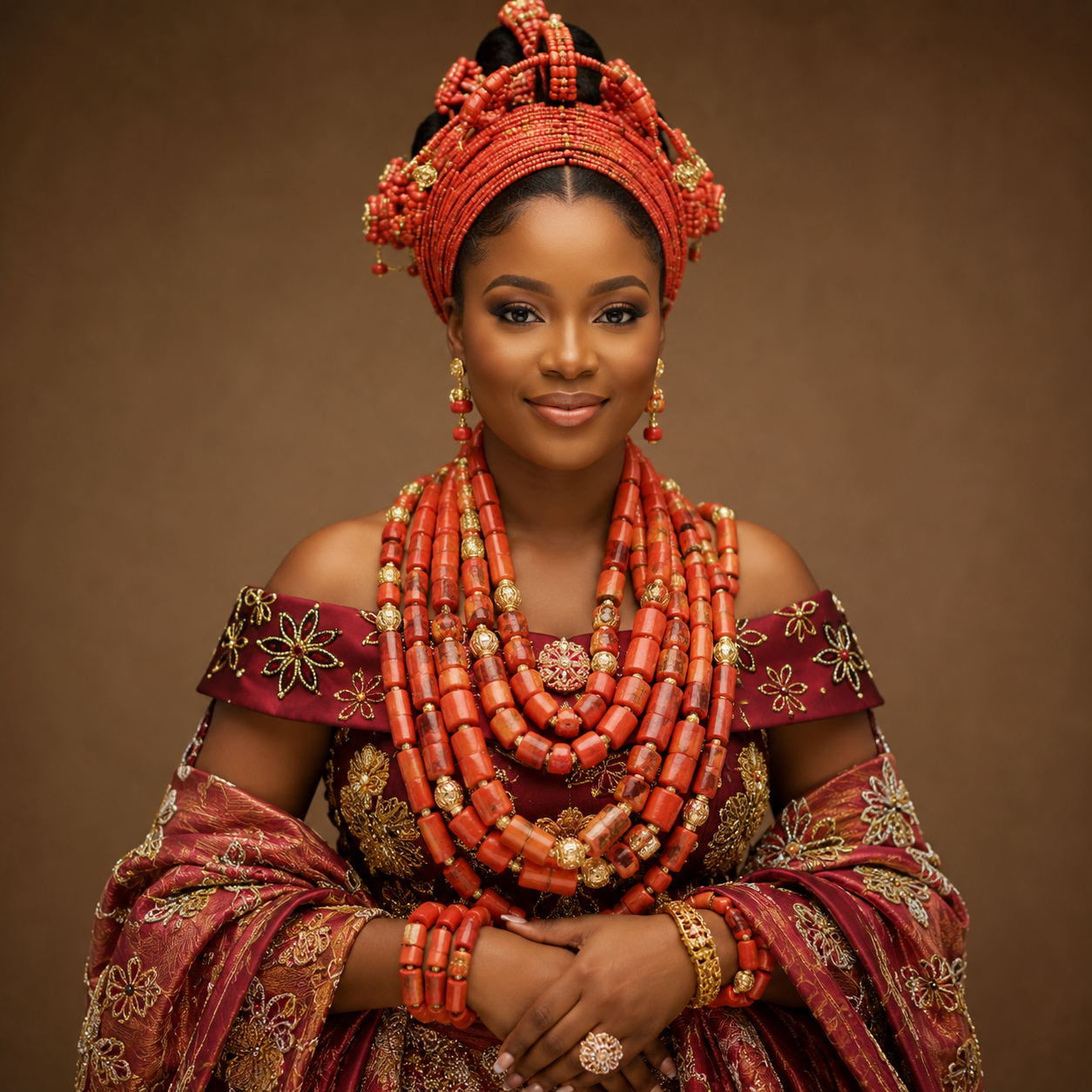
Efik ceremonial dress is known for elegance. Women may wear onyonyo gowns, wrappers, lace, coral beads, elaborate hairstyles and head ties, while men may wear wrappers, shirts, caps, beads and formal attire for weddings and cultural events.
Efik marriage negotiations commonly include family introduction, bridewealth, drinks, gifts, clothing, food and blessings. Requirements vary by family and community, so one list should not be treated as universal.
Efik performance traditions include Ekombi dance, drumming, singing, graceful movement, masquerade-related performances and festival dances.
Efik cuisine is widely known for dishes such as afang soup, edikang ikong, fisherman soup, ekpang nkukwo, pepper soup, plantain, yam, fish, periwinkle and seafood.
Efik crafts include beadwork, textiles, masks, carving, raffia work, ceremonial items and decorative household objects.
Efik origin stories are preserved through oral tradition, Calabar history, riverine settlements and family lineages. Their identity is strongly shaped by Cross River trade, coastal contact and community history.
Efik history includes riverine trade, Calabar city life, interaction with Europeans, Christianity, education, cuisine, ceremonial societies, colonial change and modern Nigerian diaspora identity.
Modern Efik dating varies by family and religion. Serious relationships often move toward family knowledge, formal introduction and marriage discussions.
Efik marriage is family-centred and commonly includes introduction, bridewealth, gifts, family meals, blessings and customary, church or civil ceremonies.
Traditional Efik belief includes ancestors, spiritual authority and community moral order. Many Efik people today are Christian while preserving selected cultural customs.
Leadership may include traditional rulers, chiefs, elders, family heads and community councils.
Sensitive areas include disrespecting elders, exposing private bridewealth lists, misrepresenting ceremonial societies and reducing Efik culture only to cuisine.