Nigeria / Burkina Faso / Cameroon / Chad / Diaspora communities / Guinea / Mali / Niger / Senegal
The Fulani, also known as Fula, Fulbe or Peul, are a widely dispersed West and Central African people known for Fulfulde/Pulaar languages, pastoral cattle culture, Islamic scholarship, migration history, bridewealth customs, modest dress, milk foods, oral poetry and Sahelian identity.
Jam tan
Hello · Fulfulde / Pulaar regional usage
No mbadda? / regional variants
How are you? · Fulfulde
A jaraama
Thank you · Fulfulde
The Fulani, also known as Fula, Fulbe or Peul depending on region and language, are a widely dispersed people across West and Central Africa. Fulani identity is connected to Fulfulde/Pulaar language varieties, cattle culture, pastoral life, Islam, family honour, migration, trade, scholarship, marriage customs, music and community responsibility.
Fulani communities are highly diverse. Some families are pastoral or semi-pastoral, while others are urban, scholarly, merchant, farming or professional communities. Public content should avoid treating all Fulani people as nomads.
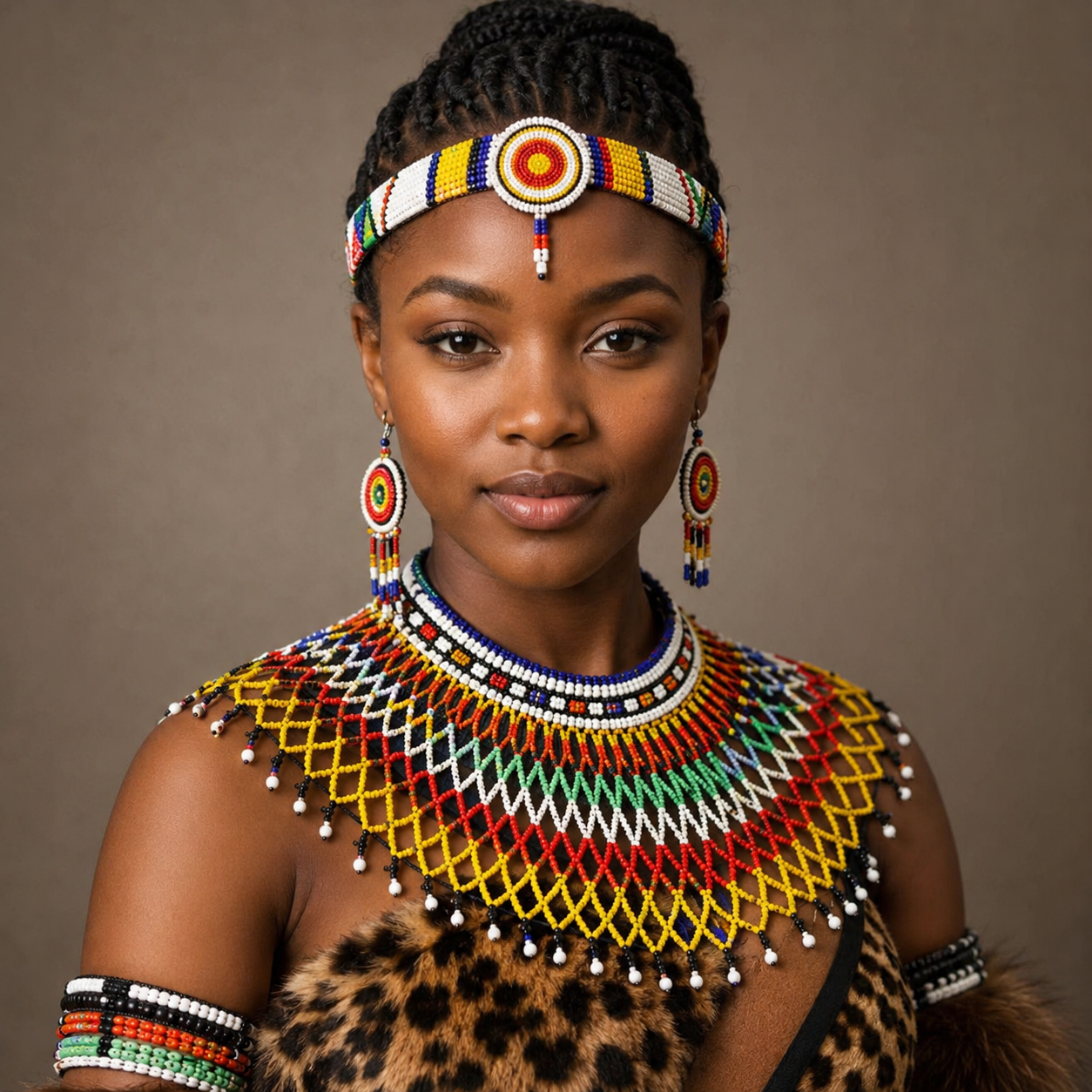
Fulani clothing varies by region, lifestyle and religion. Common elements may include flowing robes, wrappers, embroidered garments, veils, turbans, caps, jewellery, leather accessories and modest dress shaped by Islamic practice.
Fulani women in some regions are known for jewellery, hair styling and decorative adornment, while men may wear robes, turbans or practical pastoral clothing.
Fulani marriage customs commonly include family negotiations, bridewealth or agreed gifts, Islamic marriage requirements, clothing, food, blessings and community recognition. In some pastoral families, livestock may be important; in urban families, money and gifts may be more common.
Details vary strongly by country, family, lineage and religious practice.
Fulani performance traditions include praise singing, flute music, drumming, hand-clapping, courtship dances, pastoral songs, Islamic praise and regional festival performances. Music often preserves genealogy, honour, migration memory and community values.
Fulani foods are often associated with milk, sour milk, yoghurt-like dairy, millet, sorghum, rice, meat, porridge, butter, cheese-like products in some regions, tea and foods obtained through trade or farming communities.
Fulani crafts include leatherwork, calabash decoration, jewellery, weaving, embroidery, mats, pastoral tools, saddles, milk containers and decorative household items.
Fulani origins are preserved through oral traditions, migration histories, pastoral memories and regional lineages across West Africa. Some traditions connect Fulani identity to long movement across the Sahel and interaction with many neighbouring peoples.
Because Fulani communities are spread across many countries, no single origin story applies to every family.
Fulani history includes pastoral mobility, cattle keeping, Islamic scholarship, trade, migration, emirates and jihads in some regions, colonial change, urbanisation and modern diaspora life.
Today Fulani identity continues through language, cattle symbolism, Islam, family lineages, food, dress, music and transnational community networks.
Modern Fulani dating expectations vary by country, family and religion. Serious relationships commonly involve modest conduct, family knowledge, elders and Islamic marriage procedures.
Fulani marriage is family-centred and often includes family negotiations, bridewealth or gifts, religious recognition, blessings and community acknowledgement. Details differ widely by region and lifestyle.
Most Fulani people are Muslim, and Islam strongly shapes family life, marriage, naming, education and moral conduct. Some communities also preserve older pastoral values and oral traditions alongside Islamic practice.
Leadership may include elders, ardo or community heads, lamido or emirate leaders in some regions, religious scholars, family heads and pastoral authorities.
Sensitive areas include stereotyping all Fulani people as nomads or herders, ignoring conflict sensitivities, disrespecting Islam, exposing private family matters and treating all Fulani communities as identical.