Kenya / Diaspora communities
The Kikuyu, also known as Agikuyu or Gikuyu, are Kenya’s largest ethnic group, known for Gikuyu language, Mount Kenya origin traditions, strong family and clan values, bridewealth customs, farming heritage, music, dance, beadwork, food traditions and major influence in Kenyan history.
Wî mwega?
Hello · Gikuyu
Ndî mwega
I am well · Gikuyu
Nîngũgũcokia
Thank you · Gikuyu
Karibu
Welcome · Swahili
The Kikuyu, also known as Agikuyu or Gikuyu, are a major Bantu-speaking people mainly associated with central Kenya and the Mount Kenya region. Kikuyu identity is connected to Gikuyu language, clan history, family lineage, farming, land, elders, marriage customs, music, oral tradition, Christianity, ancestral memory and community responsibility.
Kikuyu customs vary by family, church, rural or urban setting and generation, so public content should describe broad patterns while recognising local variation.
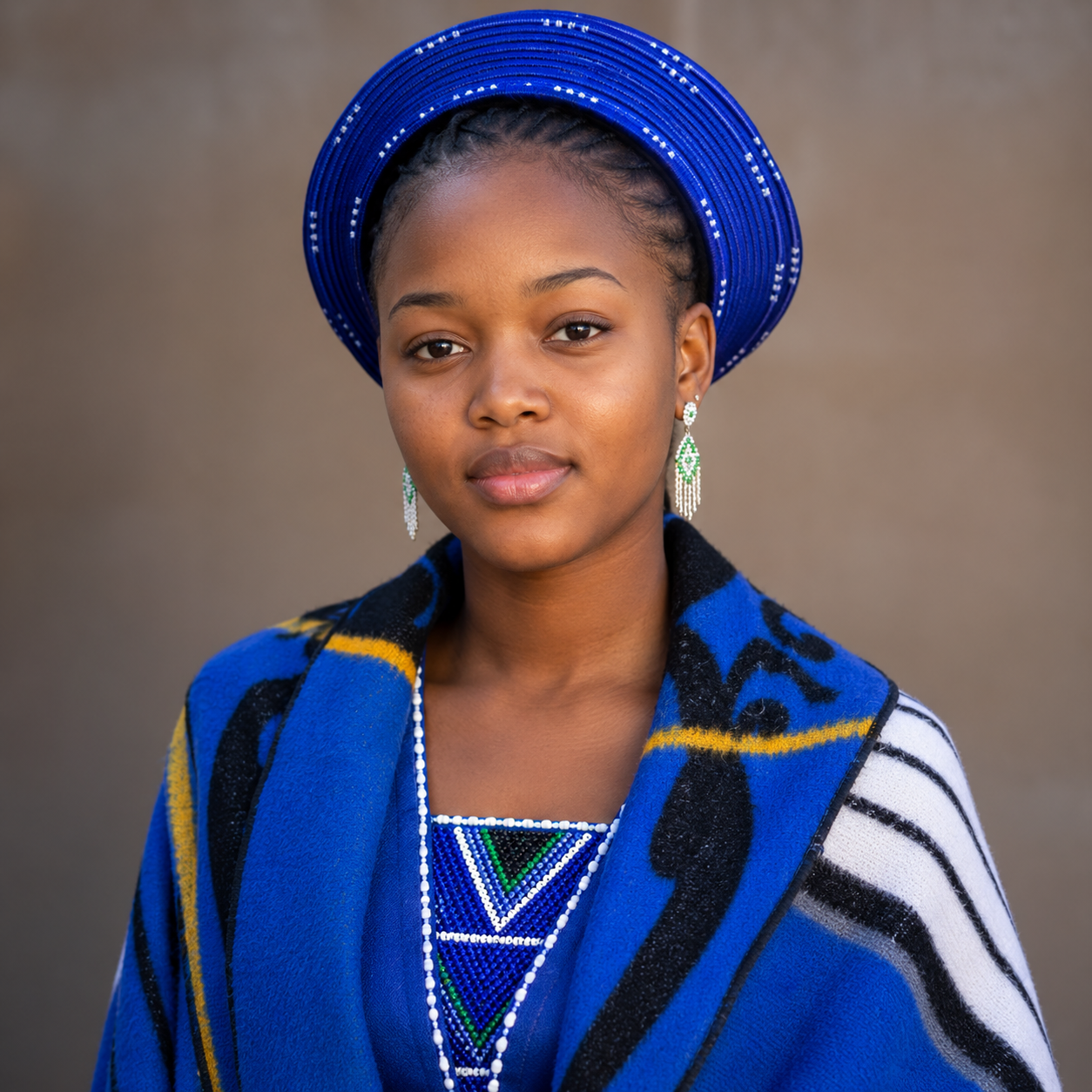
Kikuyu traditional dress historically included skins, cloaks, beadwork, head ornaments and practical clothing suited to farming life. In modern ceremonies, Kikuyu people often wear contemporary formal clothing, African-print outfits, kitenge, shawls, beadwork and coordinated family colours.
Traditional-inspired dress is important at ruracio, weddings, heritage events, family gatherings and cultural performances.
Kikuyu marriage negotiations are commonly associated with ruracio, a bridewealth and family introduction process. Common elements may include family introductions, elder involvement, discussion of bridewealth, gifts, goats or cattle symbolism, clothing, food, prayers and family blessings.
Details vary by family, church, region and modern agreement. Ruracio should be described as respect, gratitude and family union, not a commercial purchase.
Kikuyu performance traditions include mũgithi-influenced modern styles, traditional dances, drumming, singing, ululation, wedding songs, praise songs and community celebration performances.
Common Kikuyu foods include githeri, mukimo, irio, ugali, beans, maize, potatoes, greens, cabbage, goat meat, beef, chicken, tea and foods linked to farming and family gatherings.
Kikuyu crafts include basketry, beadwork, pottery, wood carving, leatherwork, gourds, farming tools, mats and household items.
Kikuyu origin traditions commonly connect the people to Gikuyu and Mumbi and to Mount Kenya, known as Kirinyaga, as a sacred and ancestral landscape. Clan histories, family lineages and elders preserve different memories of settlement and identity.
Because families and clans preserve distinct histories, the origin story should be presented respectfully as a broad cultural tradition rather than a literal account for every household.
Kikuyu history includes farming, clan organisation, land-based identity, oral tradition, trade, colonial land dispossession, mission education, the Mau Mau period, Kenyan independence, urbanisation and modern political, business and cultural influence.
Today Kikuyu identity continues through language, family customs, ruracio, food, music, churches, farming memory, entrepreneurship and diaspora communities.
Modern Kikuyu dating varies by family, religion, age, education and location. Serious relationships often move toward family knowledge, formal introduction and ruracio discussions.
Kikuyu marriage is family-centred and commonly includes introductions, ruracio, bridewealth discussions, gifts, blessings and customary, church or civil ceremonies. Details vary by family and church.
Traditional Kikuyu belief recognises Ngai as Supreme Being and gives importance to Mount Kenya, ancestors, elders, moral order and family lineage. Many Kikuyu people today are Christian while preserving selected cultural customs.
Leadership may include elders, clan heads, family heads, church leaders, community leaders and respected professionals. Elders remain important in marriage and family protocols.
Sensitive areas include disrespecting elders, treating ruracio as a commercial purchase, mocking clan identity, exposing private family negotiations, oversimplifying Mau Mau history and treating all Kikuyu families as identical.