Nigeria / Cameroon / Diaspora communities
The Kuteb are a central Nigerian people mainly associated with Taraba State, known for the Kuteb language, strong clan and family values, farming traditions, bridewealth customs, music, dance, food heritage, oral history and respect for elders.
Regional greetings vary
Hello · Kuteb
Regional forms vary
Thank you · Kuteb
The Kuteb are a people mainly associated with Taraba State in Nigeria, with related communities near the Cameroon border. Kuteb identity is connected to language, clan history, family lineage, farming, marriage customs, music, dance, elders and community responsibility.
Kuteb customs vary by clan, village, family, religion and generation, so public content should describe broad cultural patterns while recognising local variation.
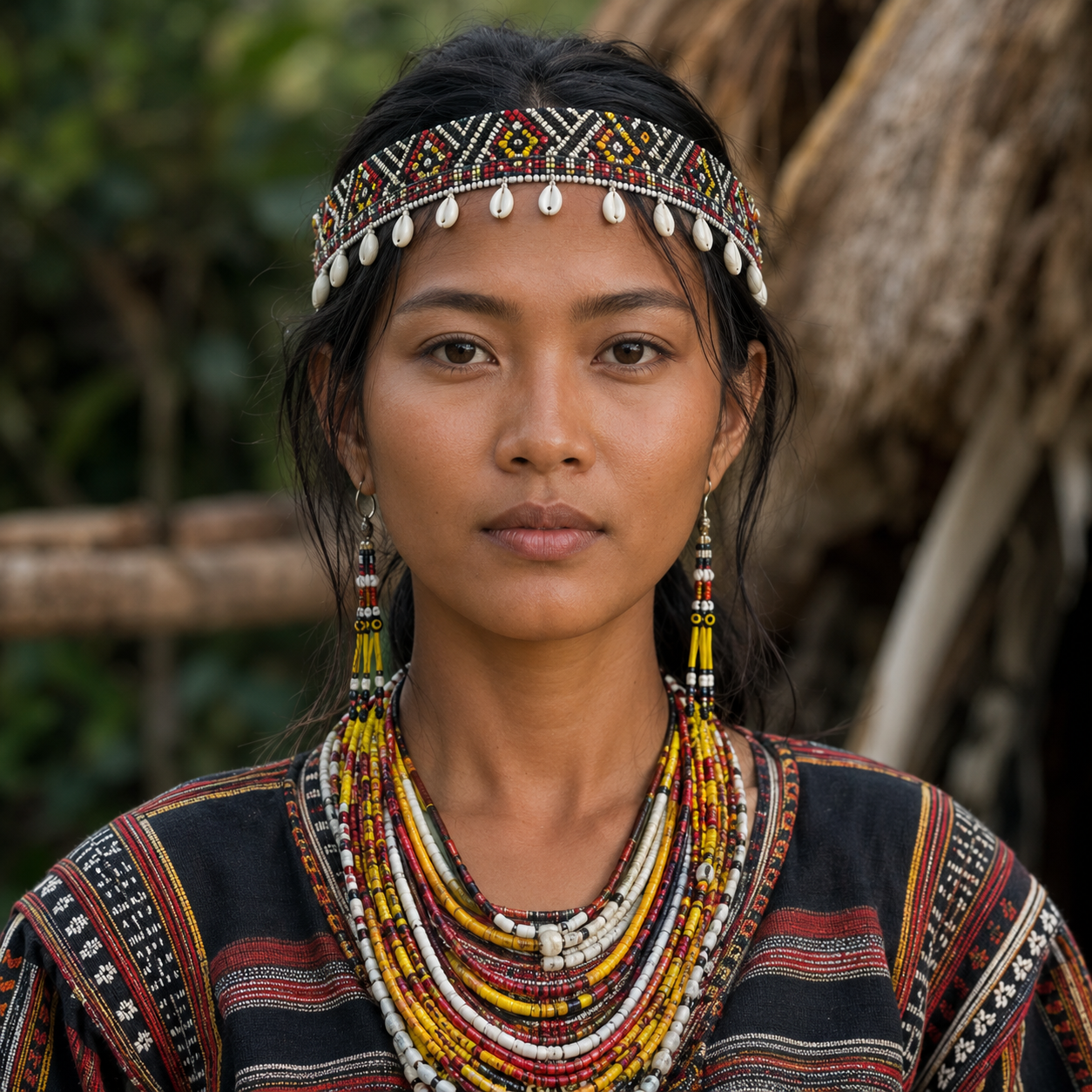
Kuteb ceremonial dress may include woven cloth, wrappers, caps, head ties, beads, formal shirts and cultural accessories for weddings, festivals and family ceremonies. Dress varies by family, religion and occasion.
Kuteb marriage negotiations commonly include family introduction, bridewealth discussions, gifts, drinks, food, clothing and blessings. Requirements vary by family, village and religious background, so one marriage list should not be treated as universal.
Kuteb performance traditions include drumming, singing, festival dances, wedding dances, praise singing and community celebration performances.
Common Kuteb foods include maize, millet, sorghum, yam, rice, beans, vegetables, soups, goat meat, chicken and local farm produce.
Kuteb crafts include weaving, pottery, mats, baskets, carving, drums, farming tools and household items.
Kuteb origins are preserved through clan histories, oral traditions and settlement memories in Taraba and borderland communities. Different families preserve their own lineage and migration stories.
Kuteb history includes farming, clan organisation, interaction with neighbouring Taraba and Cameroon border peoples, traditional authority, colonial change, religious diversity, migration and modern Nigerian identity.
Modern Kuteb dating varies by family and religion. Serious relationships often move toward family awareness, formal introduction and marriage discussions.
Kuteb marriage is family-centred and commonly includes introduction, bridewealth discussions, gifts, meals, blessings and customary, church, Islamic or civil ceremonies.
Traditional Kuteb belief includes ancestors, moral order and community ritual life. Today Kuteb people may be Christian, Muslim or preserve selected cultural customs alongside religion.
Leadership includes traditional rulers, chiefs, elders, clan heads, religious leaders and family heads.
Sensitive areas include disrespecting elders, exposing private marriage lists, misrepresenting local customs and ignoring Taraba ethnic and land sensitivities.