Mali / Côte d’Ivoire / Diaspora communities / Gambia / Guinea / Guinea-Bissau / Senegal / Sierra Leone
The Mandinka, also known as Mandingo or Malinke in related contexts, are a major Mande-speaking people of West Africa, known for Mandinka language, griot traditions, kora music, Islamic heritage, farming, trade, family values, bridewealth customs, oral history and strong links to Mali, Gambia, Senegal and Guinea.
I ni ce
Hello · Mandinka
Abaraka
Thank you · Mandinka
As-salamu alaykum
Peace be upon you · Islamic regional usage
The Mandinka are a major Mande-speaking people of West Africa, especially associated with Mali, The Gambia, Senegal, Guinea, Guinea-Bissau and neighbouring regions. Mandinka identity is connected to language, family lineage, clan history, Islam, farming, trade, oral tradition, griots, music, marriage customs, elders and community responsibility.
Mandinka communities are diverse across countries and diaspora settings. Public content should describe broad cultural patterns while recognising local variation by family, region, religion and generation.
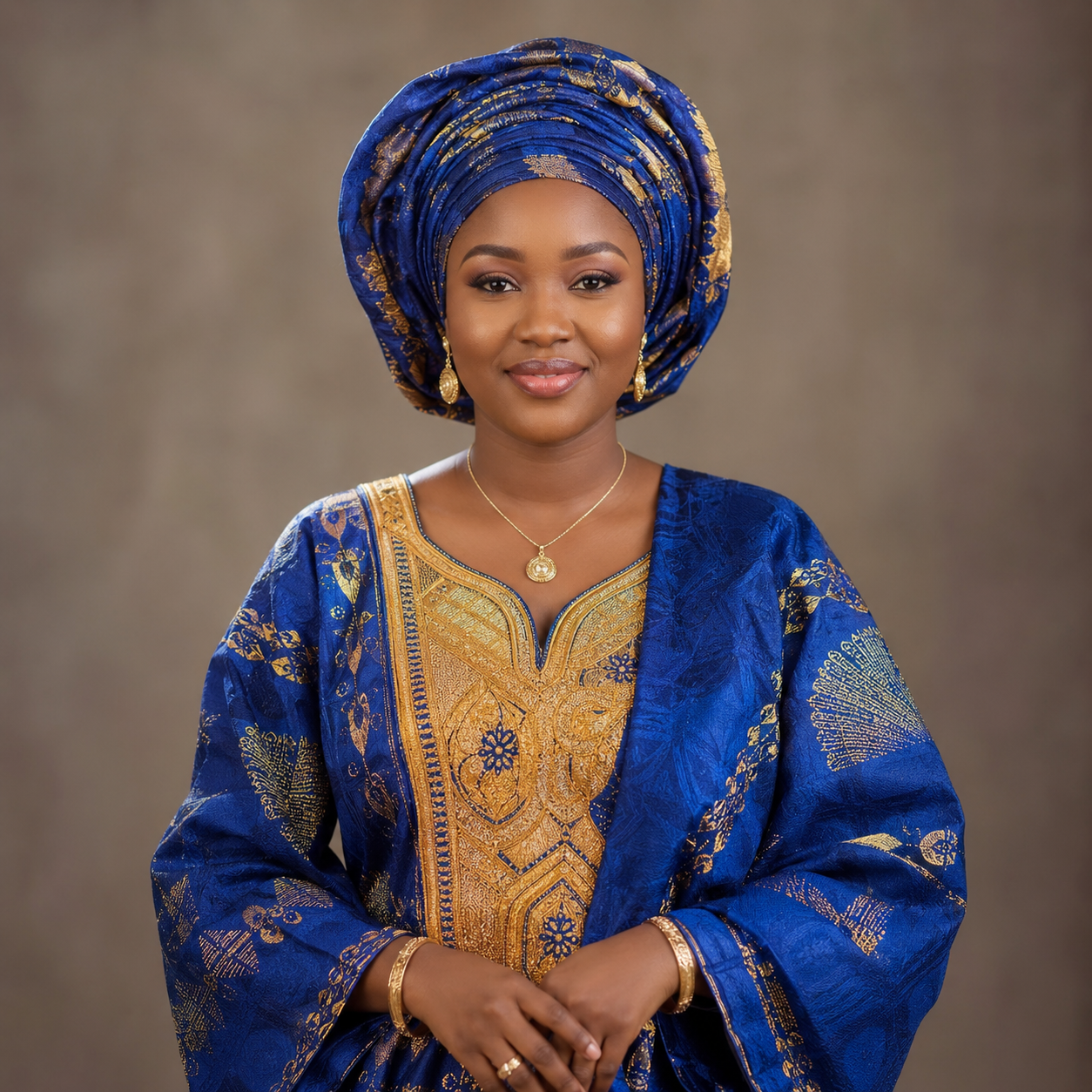
Mandinka ceremonial dress often includes boubou or grand boubou robes, embroidered garments, wrappers, headwraps, caps, beads, jewellery and elegant formal clothing for weddings, naming ceremonies, Eid and family gatherings. Clothing may reflect wider Senegambian and Mande styles, with rich fabrics and dignified presentation.
Mandinka marriage customs commonly include family introduction, Islamic marriage requirements, bridewealth or agreed gifts, clothing, food, kola nuts in some communities, family blessings and community celebration. Details vary by country, family and religious practice, so no single list should be treated as universal.
Mandinka performance traditions include griot praise singing, kora music, drumming, wedding songs, sabar or regional drum-influenced celebrations, call-and-response singing and community dances.
Common Mandinka foods include rice dishes, millet, sorghum, groundnut stew, fish, chicken, goat meat, vegetables, cassava, okra, jollof-style rice, tea and foods linked to farming and hospitality.
Mandinka crafts include kora making, leatherwork, weaving, jewellery, wood carving, pottery, basketry, embroidery, drums, griot instruments and household items.
Mandinka origins are preserved through Mande oral traditions, clan histories and memories of the Mali Empire. Many traditions connect Mandinka identity to the wider Mande world and historical figures such as Sundiata Keita, while individual families preserve their own lineages and migration histories.
Mandinka history includes Mande-speaking settlement, farming, trade, Islam, griot traditions, the Mali Empire, regional migrations, colonial boundaries, transatlantic diaspora histories, modern national life and global diaspora communities.
Modern Mandinka dating expectations vary by country, family and religion. Serious relationships commonly move toward family knowledge, modest conduct, elder involvement and marriage discussions.
Mandinka marriage is family-centred and often includes introductions, religious requirements, agreed gifts or bridewealth, blessings, food, music and public celebration. Practices differ by country, household and religious background.
Many Mandinka people are Muslim, while older Mande cultural values, ancestry, oral tradition, family honour and griot memory remain important. Religious and cultural practice varies by family and region.
Leadership may include elders, clan heads, family heads, religious leaders, chiefs, griots, community organisers and respected local authorities.
Sensitive areas include disrespecting Islam, elders, griot lineages or family honour, misrepresenting caste/status histories, exposing private marriage negotiations and treating all Mande-speaking groups as identical.