Benin / Diaspora communities / Nigeria / Togo
The Ogu, also known as Egun in some contexts, are a West African people mainly associated with Benin, Lagos and Badagry areas, known for Ogu language, coastal and lagoon heritage, family values, marriage customs, music, dance, food traditions and respect for elders.
Regional greetings vary
Hello · Ogu / Egun
Akpe / regional Gbe usage
Thank you · Ogu / Gbe-related usage
The Ogu, also known as Egun in some contexts, are a West African people mainly associated with coastal Benin and parts of south-western Nigeria, especially around Badagry and Lagos border communities. Ogu identity is connected to language, family lineage, fishing and lagoon life, trade, marriage customs, music, dance, religion, elders and community responsibility.
Ogu customs vary by country, town, family and religion, so public content should describe broad patterns while recognising local variation.
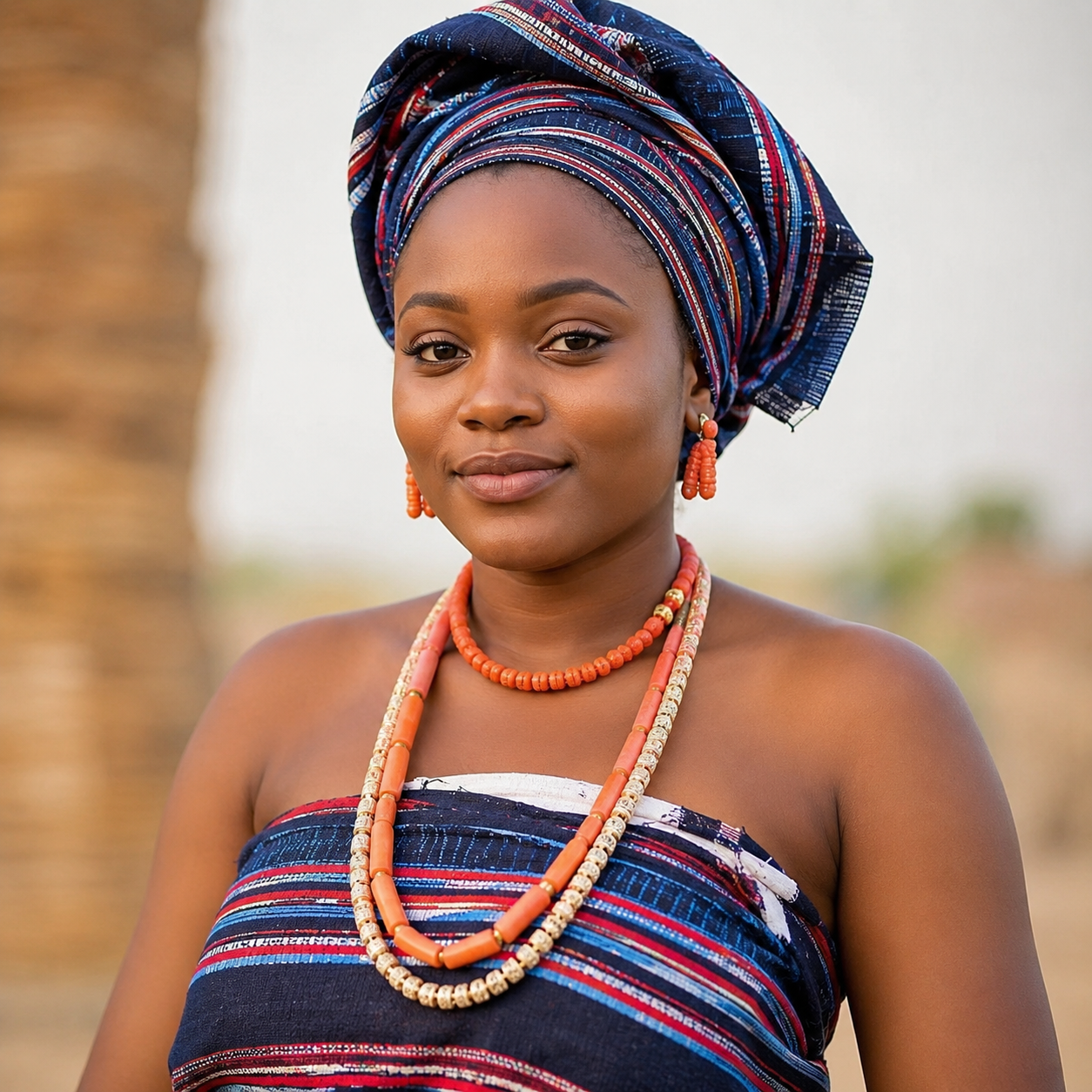
Ogu ceremonial dress may include colourful wrapped cloth, lace, head ties, beads, caps, robes and formal garments for weddings, festivals and family ceremonies. Dress may reflect Beninese, Yoruba, Gbe and coastal influences depending on family and location.
Ogu marriage negotiations commonly include family introduction, bridewealth or agreed gifts, drinks, food, clothing and blessings. Details vary by country, family and religious practice, so no single list should be treated as universal.
Ogu performance traditions include drumming, singing, call-and-response, festival dances, wedding dances, coastal community performances and religious or ceremonial music in some families.
Common Ogu foods include maize, cassava, rice, beans, plantain, fish, seafood, palm oil-based sauces, vegetables, goat meat, chicken and local relishes.
Ogu crafts include fishing tools, boat-related skills, weaving, beadwork, pottery, carving, mats, baskets, drums and household items.
Ogu origins are preserved through oral traditions, coastal settlement histories and family memories across Benin and south-western Nigeria. Different Ogu communities preserve their own migration and lineage stories.
Ogu history includes coastal settlement, fishing, lagoon trade, interaction with Gbe-speaking and Yoruba-speaking neighbours, colonial borders, Christianity, Islam, traditional religion, urbanisation and modern cross-border identity.
Modern Ogu dating varies by family, religion and country. Serious relationships often move toward family awareness, formal introduction and marriage discussions.
Ogu marriage is family-centred and commonly includes introduction, bridewealth or gifts, family blessings and customary, religious or civil ceremonies.
Ogu communities may include Christian, Muslim and traditional religious practices, with ancestral respect and local spiritual traditions present in some families.
Leadership may include chiefs, elders, family heads, religious leaders and community councils.
Sensitive areas include misrepresenting cross-border identity, exposing private marriage lists, disrespecting elders and treating Ogu, Egun, Gbe and Yoruba identities as identical.