Ethiopia / Diaspora communities / Kenya / Somalia
The Oromo are one of the largest peoples of the Horn of Africa, known for Afaan Oromo, the Gadaa system, strong clan and family identity, coffee and cattle traditions, marriage customs, music, oral poetry, farming, pastoral life and deep cultural heritage in Ethiopia and Kenya.
Akkam
Hello · Afaan Oromo
Akkam jirta?
How are you? · Afaan Oromo
Nagaa dha
I am fine · Afaan Oromo
Galatoomi
Thank you · Afaan Oromo
Nagaatti
Goodbye · Afaan Oromo
The Oromo are a major Cushitic-speaking people mainly associated with Ethiopia, with communities also found in Kenya, Somalia and the diaspora. Oromo identity is connected to Afaan Oromo, clan identity, family, elders, land, cattle, farming, pastoral life, marriage customs, music, oral poetry, coffee culture and the Gadaa system.
Oromo communities are diverse across regions such as Shewa, Arsi, Bale, Hararghe, Wallaga, Borana and Guji. Public content should describe broad cultural patterns while recognising regional and family variation.
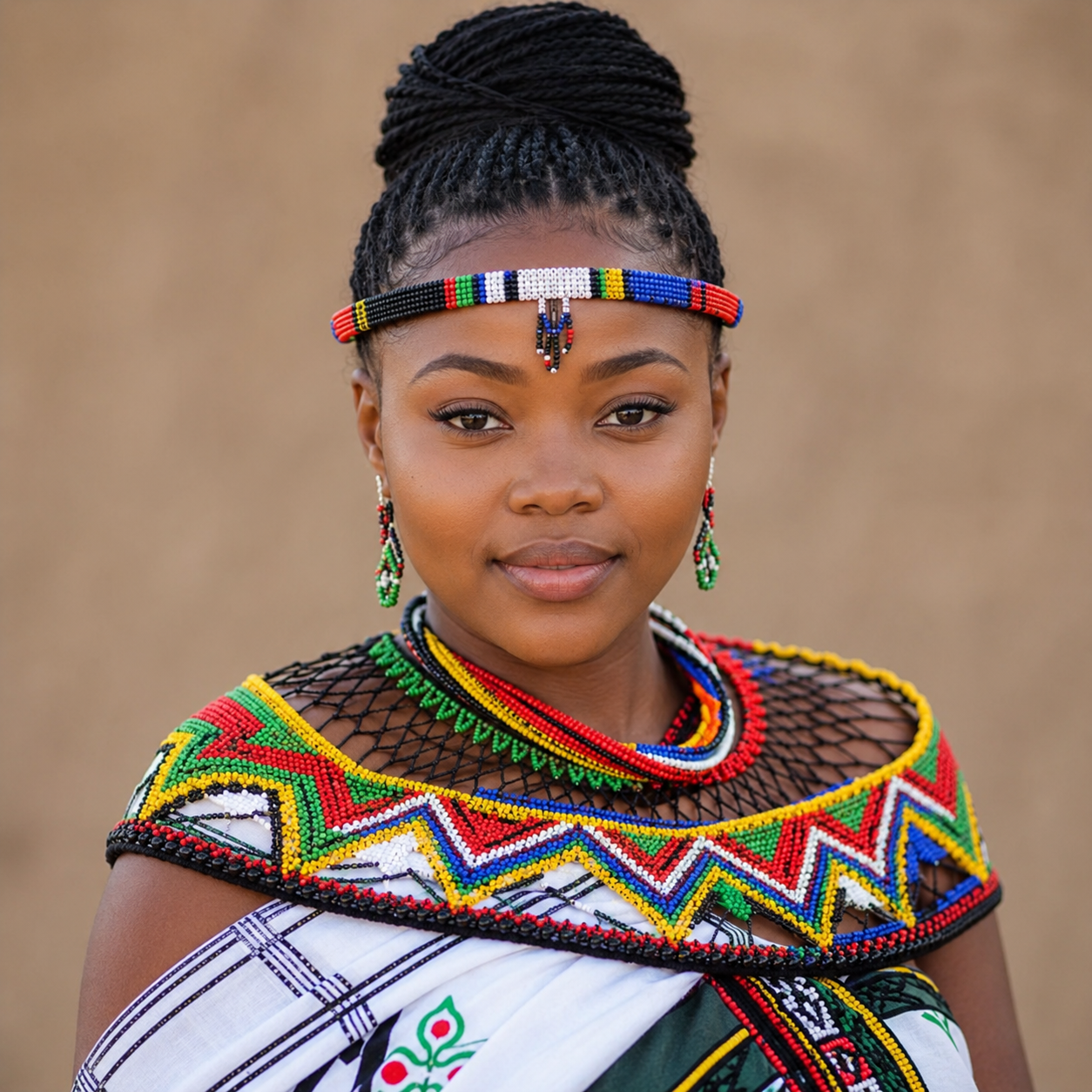
Oromo traditional dress varies by region. Women may wear white or colourful dresses, shawls, beads, jewellery, braided hairstyles and ceremonial garments. Men may wear white cotton clothing, shawls, caps, turbans or robes depending on region and occasion.
Clothing is important for weddings, cultural festivals, Irreecha, family ceremonies and public heritage events.
Oromo marriage customs commonly involve family knowledge, elder involvement, bridewealth or agreed gifts, clothing, livestock or money depending on family custom, blessings and celebration. Requirements vary by region, clan, religion and modern agreement.
Bridewealth should be described as respect and family union, not as a purchase.
Oromo performance traditions include group singing, ululation, hand-clapping, shoulder movement, wedding songs, pastoral songs, praise poetry and regional dances. Irreecha and other gatherings may include music, song, blessing and public celebration.
Common Oromo foods include injera, bread, porridge, milk, butter, meat, coffee, buna ceremony foods, grains, vegetables, stews, honey and foods shaped by farming or pastoral life.
Oromo crafts include weaving, leatherwork, basketry, beadwork, pottery, woodwork, jewellery, household tools, coffee utensils and pastoral items.
Oromo origins are preserved through clan histories, oral tradition, Gadaa memory and regional narratives across the Horn of Africa. Different Oromo groups preserve distinct histories of movement, settlement and identity.
The Gadaa system is one of the most important cultural institutions associated with Oromo social organisation and memory.
Oromo history includes Cushitic-speaking settlement, farming, pastoralism, clan organisation, Gadaa governance, regional states, interaction with neighbouring peoples, imperial incorporation, modern political movements, urbanisation and diaspora life.
Today Oromo identity continues through Afaan Oromo, music, literature, festivals, family customs, coffee culture, religion, political history and community networks.
Modern Oromo dating varies by family, religion and region. Serious relationships often move toward family awareness, elder involvement and marriage discussions.
Oromo marriage is family-centred and may include introductions, elder negotiation, bridewealth or gifts, blessings, family meals and customary, Islamic, Christian or civil ceremonies depending on the family.
Oromo religious life includes Islam, Christianity and traditional beliefs connected to Waaqa, moral order, blessings, elders, land and community harmony. Beliefs vary by region and family.
Leadership may include elders, Gadaa authorities, clan leaders, religious leaders, family heads and modern civic leaders.
Sensitive areas include disrespecting elders, simplifying Oromo identity into one region, misrepresenting Gadaa, ignoring political sensitivities and treating all Oromo communities as identical.