Lesotho / Botswana / Namibia / South Africa
The Sotho, also known as Basotho, are a Southern African cultural and language group strongly associated with Lesotho and South Africa, known for Sesotho, Basotho blankets, the mokorotlo hat, strong family values, bohali marriage customs, praise poetry, music, farming traditions and respect for elders and ancestors.

Dumela
Hello · Sesotho
Dumelang
Hello to more than one person · Sesotho
O phela joang?
How are you? · Sesotho
Ke phela hantle
I am well · Sesotho
Kea leboha
Thank you · Sesotho
Ka kopo
Please · Sesotho
Sala hantle
Goodbye / stay well · Sesotho
Tsamaea hantle
Goodbye / go well · Sesotho
The Sotho, also known as Basotho, are a Southern African people strongly associated with Lesotho and South Africa. Their main language is Sesotho, also called Southern Sotho, although many Sotho people also speak English, isiZulu, Afrikaans or other South African languages depending on where they live.
Sotho identity is closely connected to family, clan history, respect for elders, community responsibility, cattle, land, praise names, traditional leadership and cultural symbols such as the Basotho blanket and the mokorotlo hat. The culture is not identical in every family or region, but shared language, history and customs give Basotho a strong collective identity.
Modern Sotho life is diverse. Many Basotho live in cities, work across different professions, practise Christianity and participate in contemporary South African and Lesotho society while still preserving customs such as family introductions, bohali negotiations, funeral responsibilities, initiation traditions, music, dance and respect for ancestral heritage.
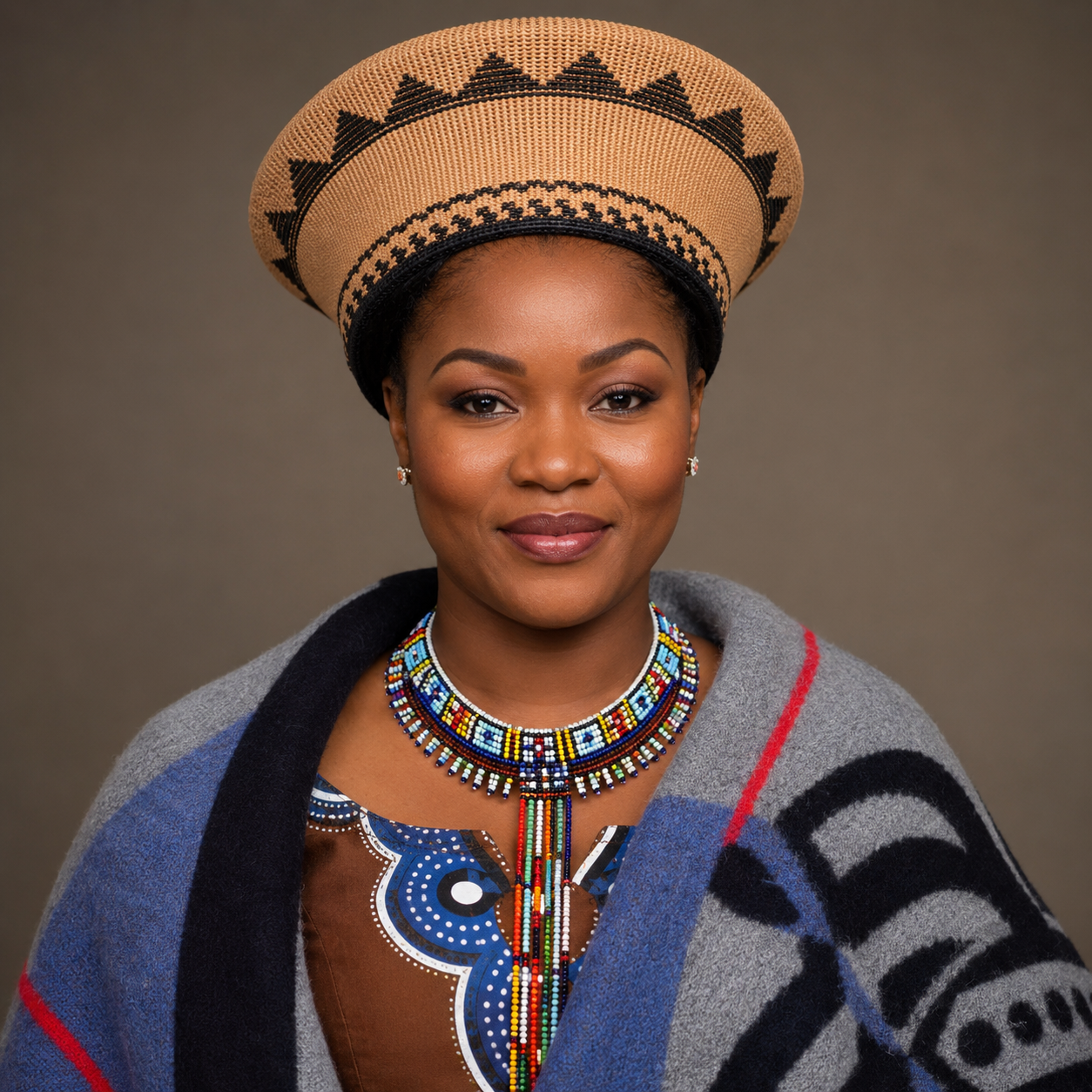
Basotho traditional clothing is strongly associated with the Basotho blanket, which is worn around the shoulders or body and is one of the most recognisable cultural symbols of Lesotho and the Sotho people. Different blankets may be used for daily warmth, ceremonies, weddings, rites of passage and expressions of status or identity.
Another important symbol is the mokorotlo, the conical woven hat linked to Basotho identity and Lesotho national symbolism. In modern ceremonies, women may wear elegant dresses, skirts, headwraps, beads and Basotho blankets, while men may wear formal clothing with a blanket, hat or cultural accessories.
Because Sotho dress has both practical and ceremonial meaning, clothing is usually selected to show dignity, family respect and connection to heritage rather than only decoration.
Sotho customary marriage negotiations are often associated with bohali, the bridewealth process. The details vary by family, church, region and agreement, but the process is normally handled through respectful representatives from both families.
Common items or stages may include:
Bohali should not be treated as buying a bride. Its cultural meaning is connected to respect, family union, appreciation and commitment between households.
Sotho music and dance traditions include praise poetry, rhythmic singing, hand-clapping, drumming and group performances used in ceremonies, celebrations and community gatherings. Well-known cultural dance references include mokorotlo, mohobelo and other regional performance styles.
Dance can express history, bravery, courtship, initiation, celebration and social unity. In modern settings, traditional Sotho performance may be presented alongside gospel, famo, choral music and contemporary Southern African music.
Common Sotho foods include papa or soft porridge, maize meal, sorghum dishes, bread, beans, vegetables, pumpkin, cabbage, spinach, meat stews, chicken, beef, mutton and traditional fermented drinks. In Lesotho and rural South African communities, food is closely connected to farming, cattle, seasons, family events and hospitality.
Serving guests properly is important. At family meetings, weddings, funerals and community gatherings, food is not only practical; it also shows respect, care and social responsibility.
Sotho craft traditions include blanket design, weaving, grasswork, pottery, beadwork, leatherwork, woodwork and decorative household items. The mokorotlo hat is one of the most visible examples of Sotho craft symbolism.
Crafts often reflect mountain life, cattle culture, family identity, protection, beauty, dignity and national pride. Basotho blankets and hats are especially powerful visual symbols because they connect clothing, weather, ceremony and identity.
Sotho origins are best understood through a combination of oral tradition, clan histories and the broader history of Sotho-Tswana speaking peoples in Southern Africa. Basotho identity became especially strong through the rise of King Moshoeshoe I, who united different clans and communities around Thaba Bosiu during a period of conflict and migration in the nineteenth century.
Different families preserve their own origin stories through surnames, praise names, clan histories and totems. For that reason, Sotho identity should be described as a broad cultural and language identity rather than a single fixed origin story for every family.
Sotho-speaking communities have long histories in the interior of Southern Africa, especially in areas now known as Lesotho, the Free State and surrounding regions. Their history includes farming, cattle keeping, iron working, clan organisation, trade, conflict, migration and the development of chiefly authority.
King Moshoeshoe I is one of the central figures in Basotho history. He built alliances, offered refuge to different communities and helped form the Basotho nation around Thaba Bosiu. This history shaped Lesotho’s identity and also influenced Sotho-speaking communities in South Africa.
Colonial conflict, land dispossession, labour migration, Christianity, mission education, urbanisation and modern state borders all affected Sotho life. Today Basotho identity continues in Lesotho, South Africa and diaspora communities through language, family custom, dress, music, ceremonies and national memory.
Modern Sotho dating varies by family, religion, age, location and personal values. In many families, a serious relationship is expected to move toward respectful family knowledge and formal introduction rather than remaining private indefinitely.
Common expectations may include respect, honesty, maturity, faithfulness, financial responsibility, good communication, respect for elders and avoiding behaviour that embarrasses either family. Families may expect formal steps before cohabitation, pregnancy, marriage planning or public recognition of the relationship.
Urban couples may date more independently, but family approval often remains important when the relationship becomes serious.
Sotho marriage customs are family-centred. A serious marriage is not viewed only as a private agreement between two individuals; it joins families and creates social obligations between households.
Typical steps may include private commitment by the couple, family awareness, formal introductions, sending representatives, bohali negotiations, agreement on payments or cattle equivalents, family blessings and then a customary, church or civil ceremony depending on the couple and families.
The process works best when handled with respect, patience, transparency and dignity. Families may differ on the exact steps, so public content should avoid presenting one household’s process as universal for all Basotho.
Traditional Sotho belief recognises Modimo as the Supreme Being and gives importance to ancestors, family lineage, moral conduct, sacred places, rain, cattle and community harmony. Ancestors may be understood as guardians of family memory and moral order.
Today many Basotho are Christian, and some families combine Christian practice with selected cultural customs. Others may follow mainly Christian, traditional or mixed approaches depending on family background and personal belief.
Respect for elders, funeral obligations, family unity, thanksgiving, remembrance of the dead and proper conduct during family ceremonies remain culturally significant in many Sotho communities.
Traditional Sotho leadership includes kings, chiefs, headmen, elders and family representatives. In Lesotho, kingship and chieftainship are central to national history and cultural identity, while in South Africa many Sotho-speaking communities also recognise traditional leadership structures alongside modern civic systems.
At family level, senior relatives guide marriage discussions, funeral arrangements, inheritance matters, dispute resolution and cultural protocols. Leadership is therefore both public and family-based.
Sensitive areas include disrespecting elders, mocking clan names or totems, treating bohali as a commercial purchase, ignoring funeral responsibilities, exposing private family negotiations publicly and speaking carelessly about ancestors or sacred family matters.
Initiation customs, gender roles, church beliefs and marriage expectations can differ strongly by family and region. Content should therefore use respectful wording and acknowledge variation rather than presenting one practice as compulsory for all Sotho people.