Mali / Algeria / Burkina Faso / Diaspora communities / Libya / Niger
The Tuareg are a Saharan Amazigh people known for Tamasheq language varieties, desert and caravan heritage, indigo veils, camel culture, clan identity, Islamic faith, poetry, music, metalwork, leatherwork, marriage customs and deep connections to the Sahara and Sahel.
Azul / regional variants
Hello · Tamasheq / Amazigh usage
Salam alaykum
Peace be upon you · Arabic / Islamic usage
Tanemmirt / regional variants
Thank you · Tamasheq
The Tuareg are a Saharan Amazigh people mainly associated with Mali, Niger, Algeria, Libya and surrounding Sahel regions. Tuareg identity is connected to Tamasheq language varieties, clan lineages, desert mobility, camels, Islam, poetry, music, indigo clothing, craft traditions, marriage customs and respect for elders.
Tuareg communities are diverse by country, clan, livelihood and political history. Public content should describe broad cultural patterns while recognising local variation.
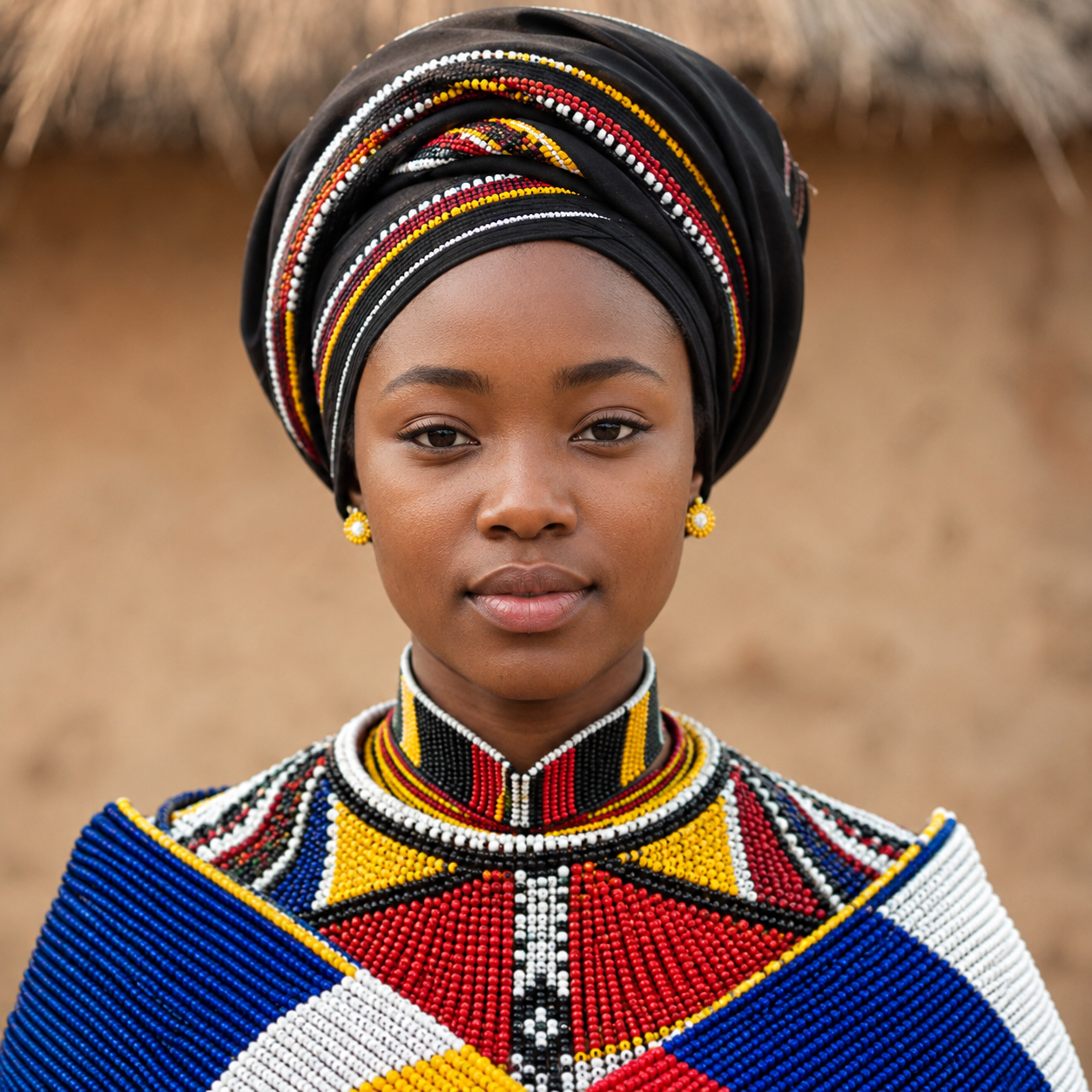
Tuareg dress is widely recognised for indigo-dyed robes, turbans and veils, especially the tagelmust worn by men in many contexts. Women may wear wrapped garments, jewellery, leather accessories and regional clothing suited to desert and Sahel life.
Indigo, silver jewellery and practical desert dress are important cultural symbols.
Tuareg marriage customs vary by clan and country. Common elements may include family agreement, Islamic marriage requirements, bride gifts or agreed wealth, jewellery, livestock, clothing, music, food and community recognition.
Details differ strongly by family and region, so no single list should be treated as universal.
Tuareg performance traditions include tende drum music, desert songs, poetry, hand-clapping, call-and-response singing, imzad-related music and contemporary desert blues guitar styles.
Common Tuareg foods include millet, sorghum, dates, milk, camel milk, goat meat, tea, couscous-like dishes, rice, flatbread and foods adapted to desert and Sahel life.
Tuareg crafts include silver jewellery, leatherwork, swords, saddles, camel gear, metalwork, decorated bags, mats, tent items and engraved symbolic objects.
Tuareg origins are linked to Amazigh-speaking peoples of the Sahara and Sahel. Oral histories, clan genealogies, desert routes and regional confederations preserve memories of movement, trade and settlement.
Because Tuareg communities span several countries, no single origin story applies to all families.
Tuareg history includes Saharan mobility, camel caravans, trans-Saharan trade, clan confederations, Islamic influence, colonial boundaries, drought, migration, political conflict and modern cultural expression.
Today Tuareg identity continues through Tamasheq language, music, dress, poetry, craft, desert memory and transnational community ties.
Modern Tuareg dating and marriage expectations vary by family, religion and country. Serious relationships commonly involve family knowledge, modest conduct, Islamic expectations and community recognition.
Tuareg marriage is commonly family-centred and may include Islamic marriage procedures, family negotiations, gifts, jewellery, livestock or money, food, music and public celebration. Details vary strongly.
Most Tuareg people are Muslim, while some older Amazigh symbolic practices, poetry and protective motifs remain part of cultural life. Beliefs vary by region and family.
Leadership may include clan elders, chiefs, religious leaders, family heads, respected poets, community organisers and historic confederation authorities.
Sensitive areas include stereotyping Tuareg people only as nomads, ignoring political conflict, disrespecting Islam, mocking veils or dress, and treating all Tuareg clans as identical.