Nigeria / Benin / Diaspora communities / Togo
The Yoruba are a major West African people known for Yoruba language, rich city-state history, Ifa and Orisha traditions, strong family values, bridewealth marriage customs, colourful aso-oke clothing, talking drums, festivals, proverbs, art and global diaspora influence.
Bawo
Hello · Yoruba
E kaaro
Good morning · Yoruba
E kaasan
Good afternoon · Yoruba
E ku irole
Good evening · Yoruba
E se / O se
Thank you · Yoruba
E kaabo
Welcome · Yoruba
The Yoruba are a major West African people mainly associated with south-western Nigeria, with communities also found in Benin, Togo and the wider diaspora. Yoruba identity is connected to language, city and town origin, family lineage, respect for elders, marriage customs, chieftaincy, religion, festivals, music, proverbs, art and community responsibility.
Yoruba culture is highly diverse. Customs can differ between towns, families, religions and generations, so public content should describe broad cultural patterns while recognising local variation.
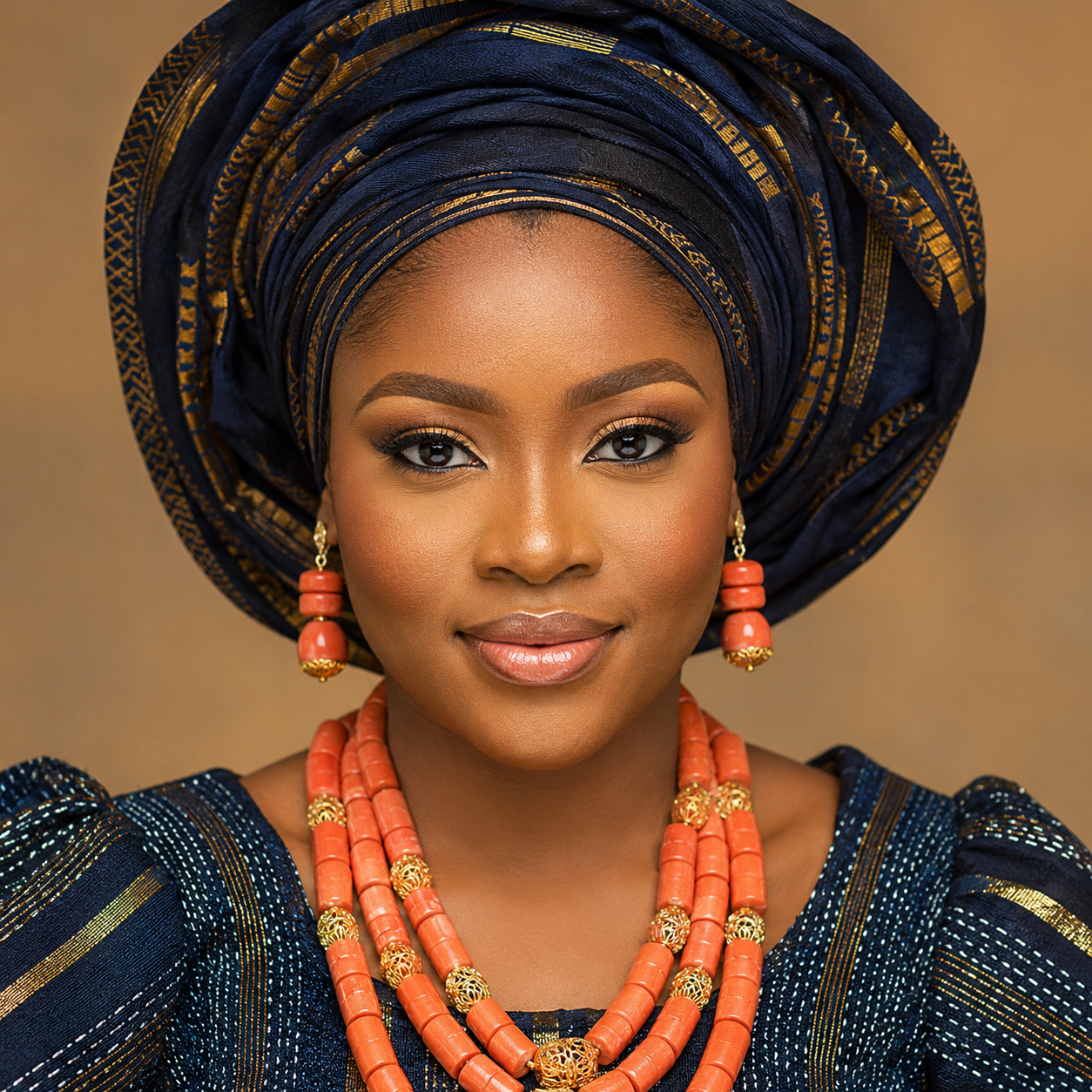
Yoruba ceremonial dress is known for elegance, colour and coordinated family style. Women may wear iro and buba, gele headwraps, ipele shawls, lace, aso-oke, beads and jewellery, while men may wear agbada, buba, sokoto, fila caps and formal embroidered garments.
Aso-ebi, where family or guests wear coordinated fabric, is especially common at weddings, funerals, birthdays and major ceremonies.
Yoruba marriage negotiations commonly involve family introduction, engagement ceremony, bridewealth or symbolic payments, gifts, clothing, food, drinks and blessings. Items may include engagement gifts, kola nut, honey, alligator pepper, Bible or Quran in religious families, rings, clothing, family gifts and agreed money.
Details vary by family, town and religion. Bridewealth should not be described as buying a bride; its meaning is respect, family union, gratitude and public commitment.
Yoruba performance traditions include bata dance, talking-drum music, festival dancing, praise singing, Fuji, Juju, Apala, Sakara, gospel, Islamic praise music and contemporary Afrobeats-influenced performance. Dance is central to weddings, festivals, worship, chieftaincy events and family celebrations.
Common Yoruba foods include amala, ewedu, gbegiri, efo riro, pounded yam, iyan, egusi soup, jollof rice, moi moi, akara, asun, suya, ofada rice, plantain, yam, beans and palm wine in some settings.
Yoruba crafts include aso-oke weaving, beadwork, wood carving, bronze and brass work, pottery, indigo dyeing, leatherwork, masks, ceremonial objects, sculpture, drums and textile design.
Yoruba origins are preserved through oral traditions, city histories, royal genealogies and sacred narratives. Ile-Ife is widely regarded as an important spiritual and historical centre in Yoruba identity, while different towns and kingdoms preserve distinct origin stories.
Because Yoruba identity includes many cities, lineages and religious traditions, no single origin account should be presented as the only story for every Yoruba family.
Yoruba history includes ancient urban centres, kingdoms and city-states such as Ile-Ife, Oyo, Ijebu, Benin-related interactions, trade, art, chieftaincy, religion, colonial change, Christianity, Islam, education, migration and global diaspora formation.
Today Yoruba identity is visible through language, food, fashion, music, film, religion, family customs, festivals, enterprise and diaspora culture.
Modern Yoruba dating varies by family, religion and location. Serious relationships often move toward family awareness, formal introduction, investigation of family background and marriage discussions.
Yoruba marriage is family-centred and commonly includes introduction, engagement ceremony, symbolic bridewealth, exchange of gifts, family prayers, blessings and customary, church, Islamic or civil ceremonies.
Yoruba religious life includes traditional Orisha and Ifa systems, Christianity, Islam and blended family customs. Respect for elders, ancestors, destiny, moral conduct and community responsibility remain important across many Yoruba families.
Leadership includes obas, chiefs, elders, family heads, religious leaders, age-grade or community associations and respected professionals. Town identity and chieftaincy remain important in many Yoruba communities.
Sensitive areas include disrespecting elders, mocking oriki or dialects, misrepresenting Orisha traditions, exposing private marriage negotiations and treating all Yoruba towns as culturally identical.