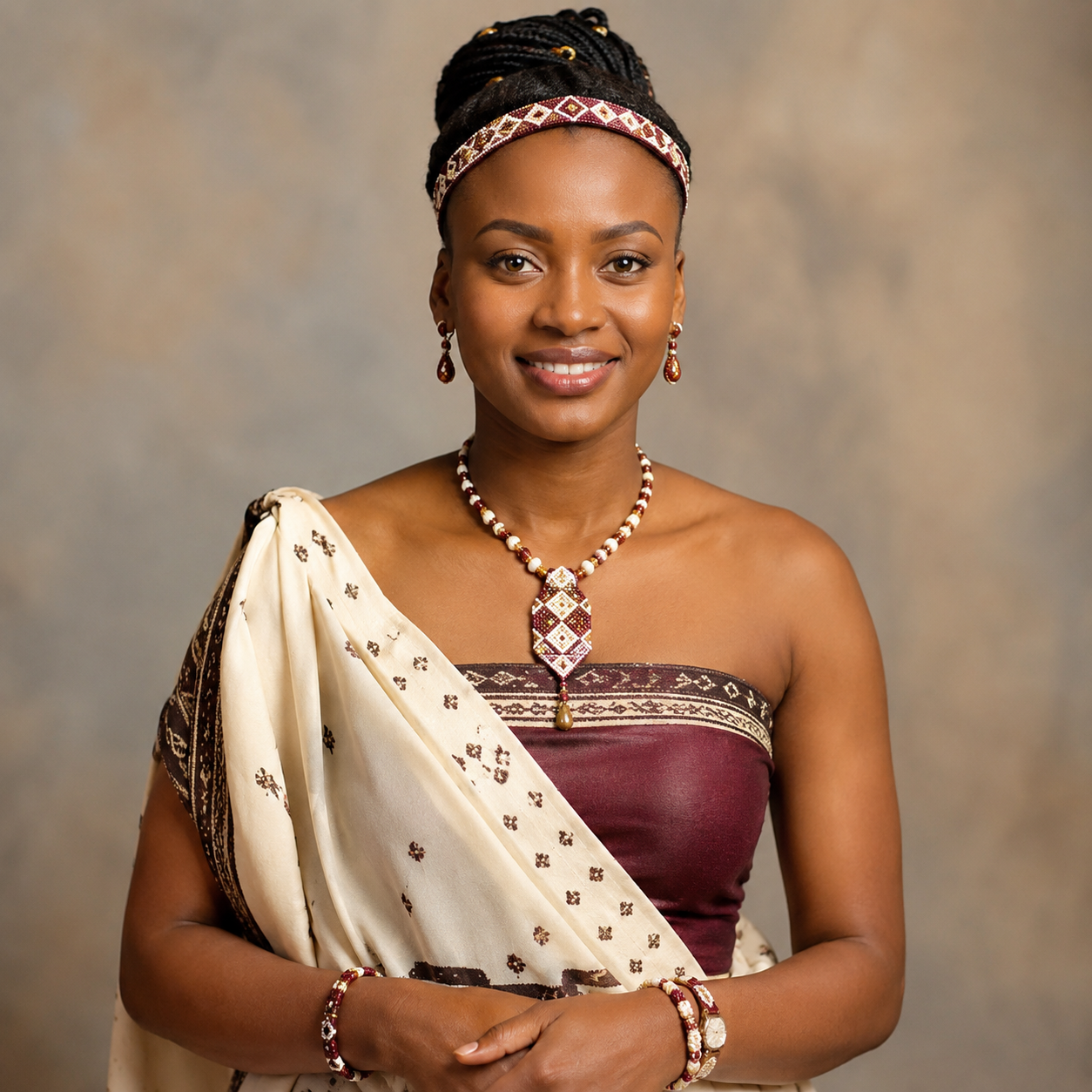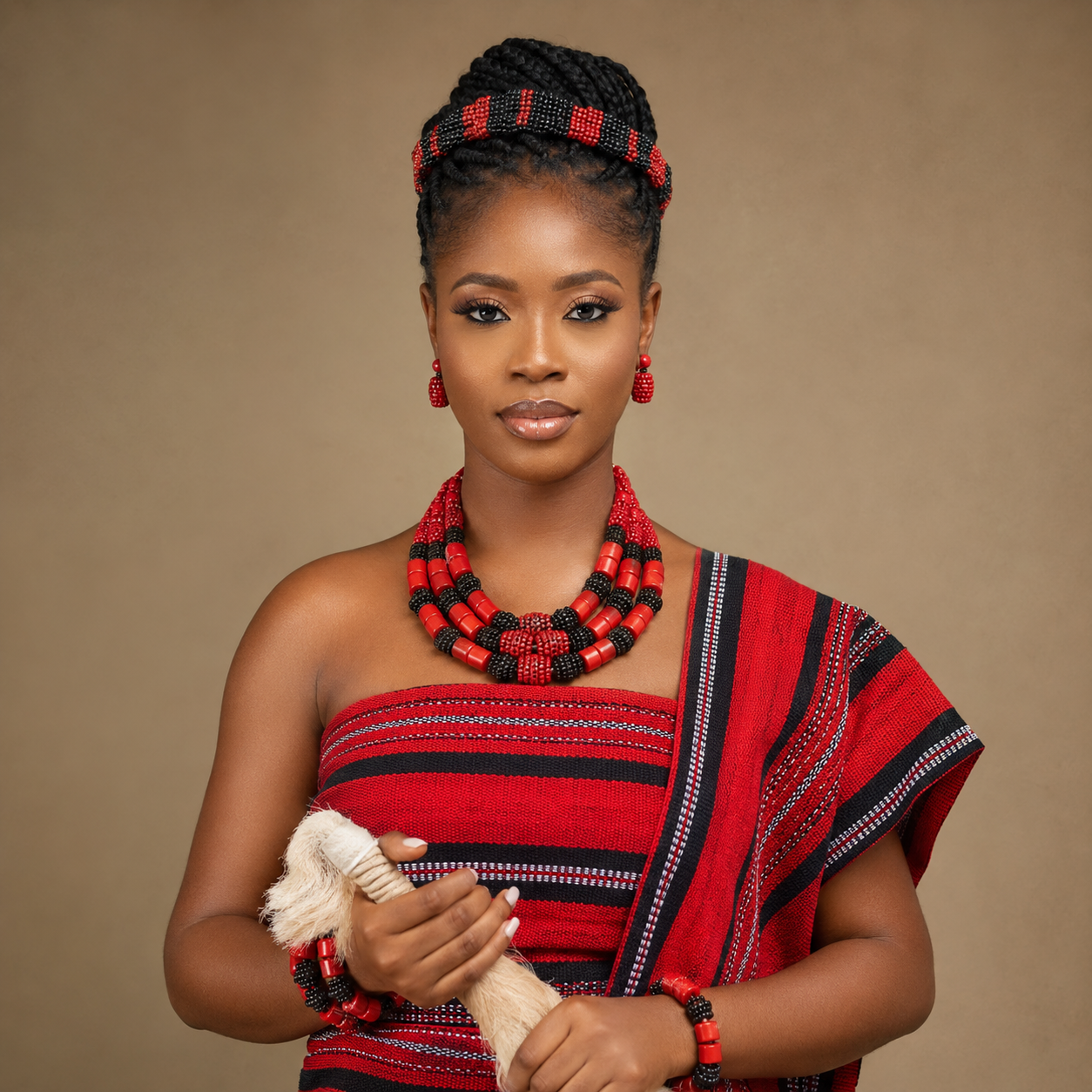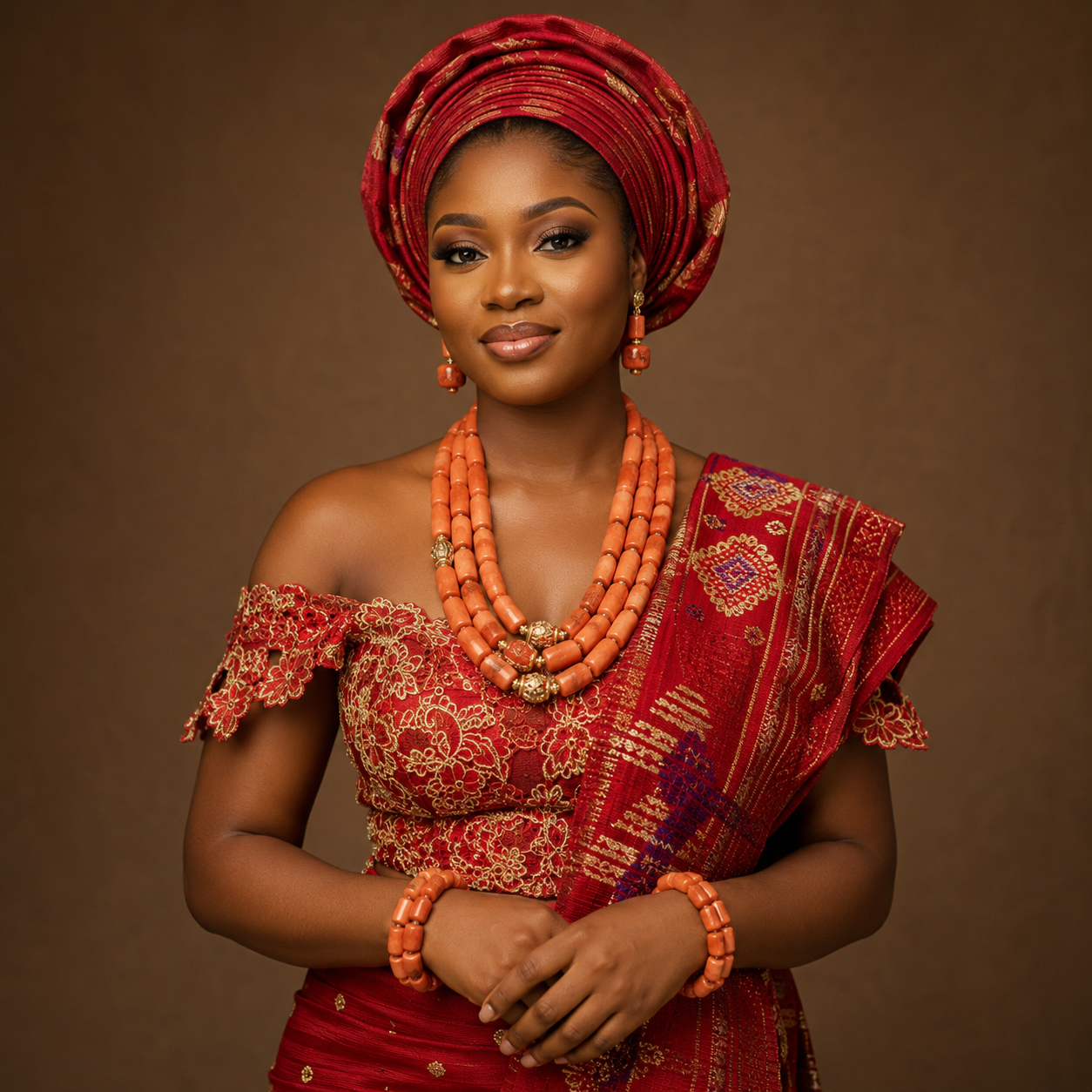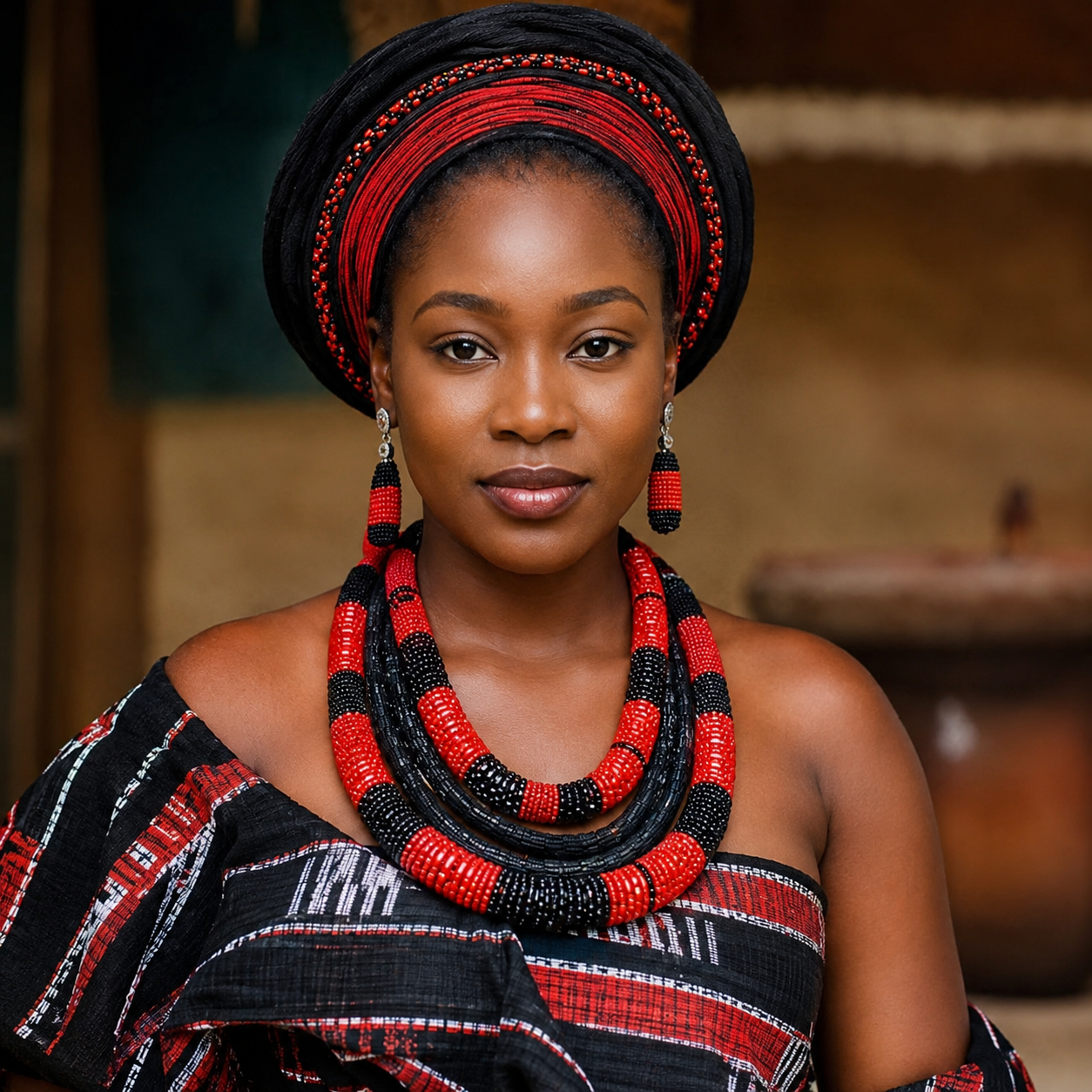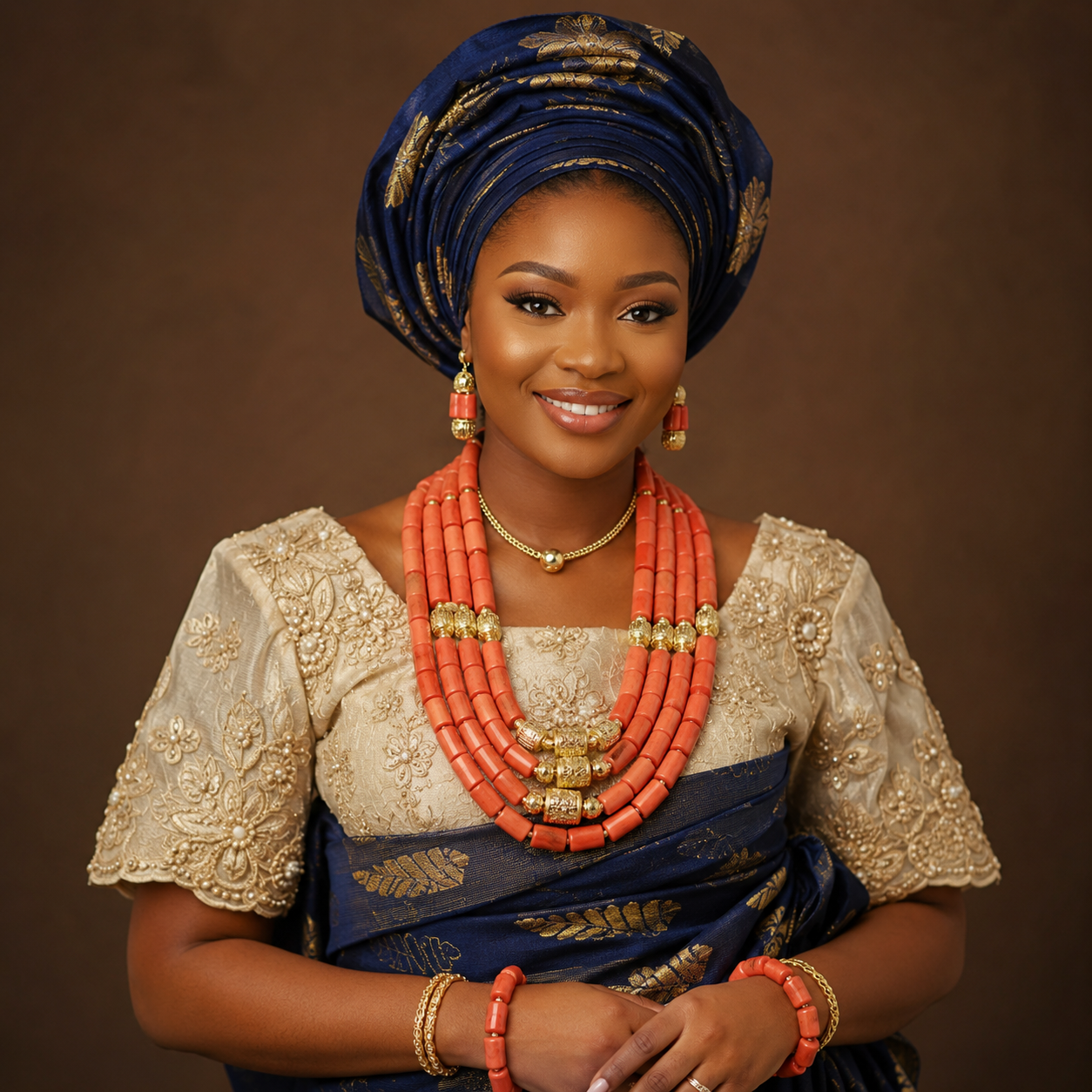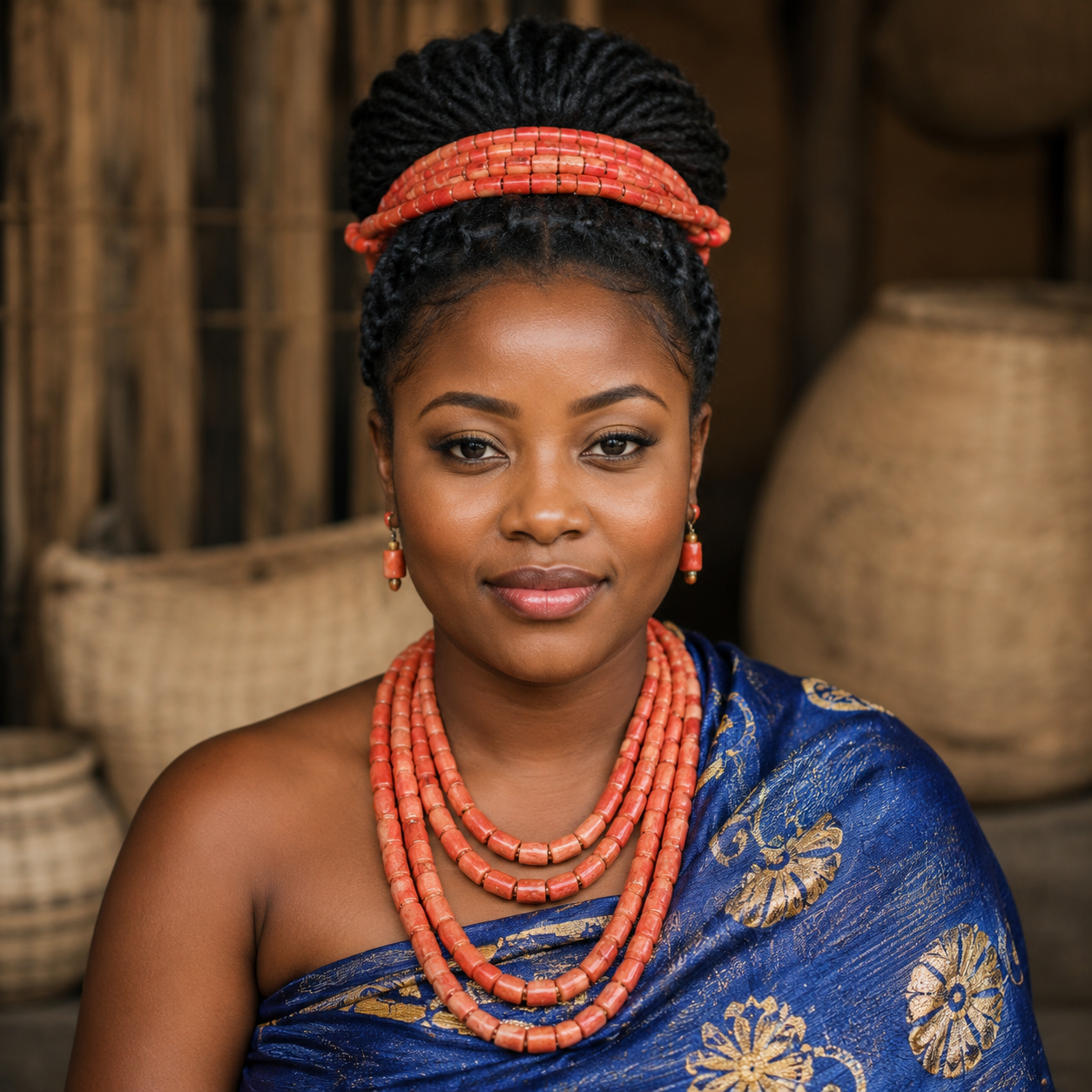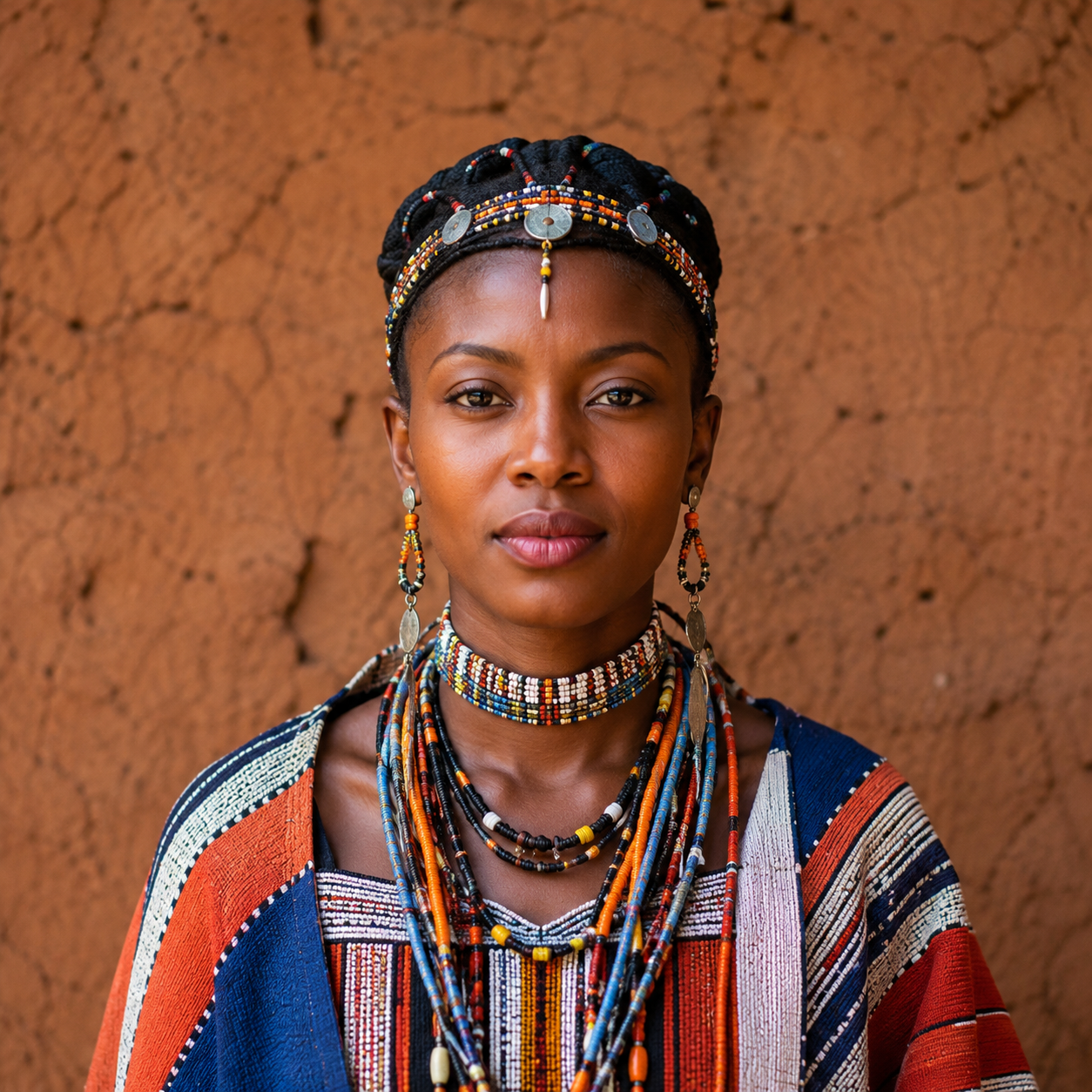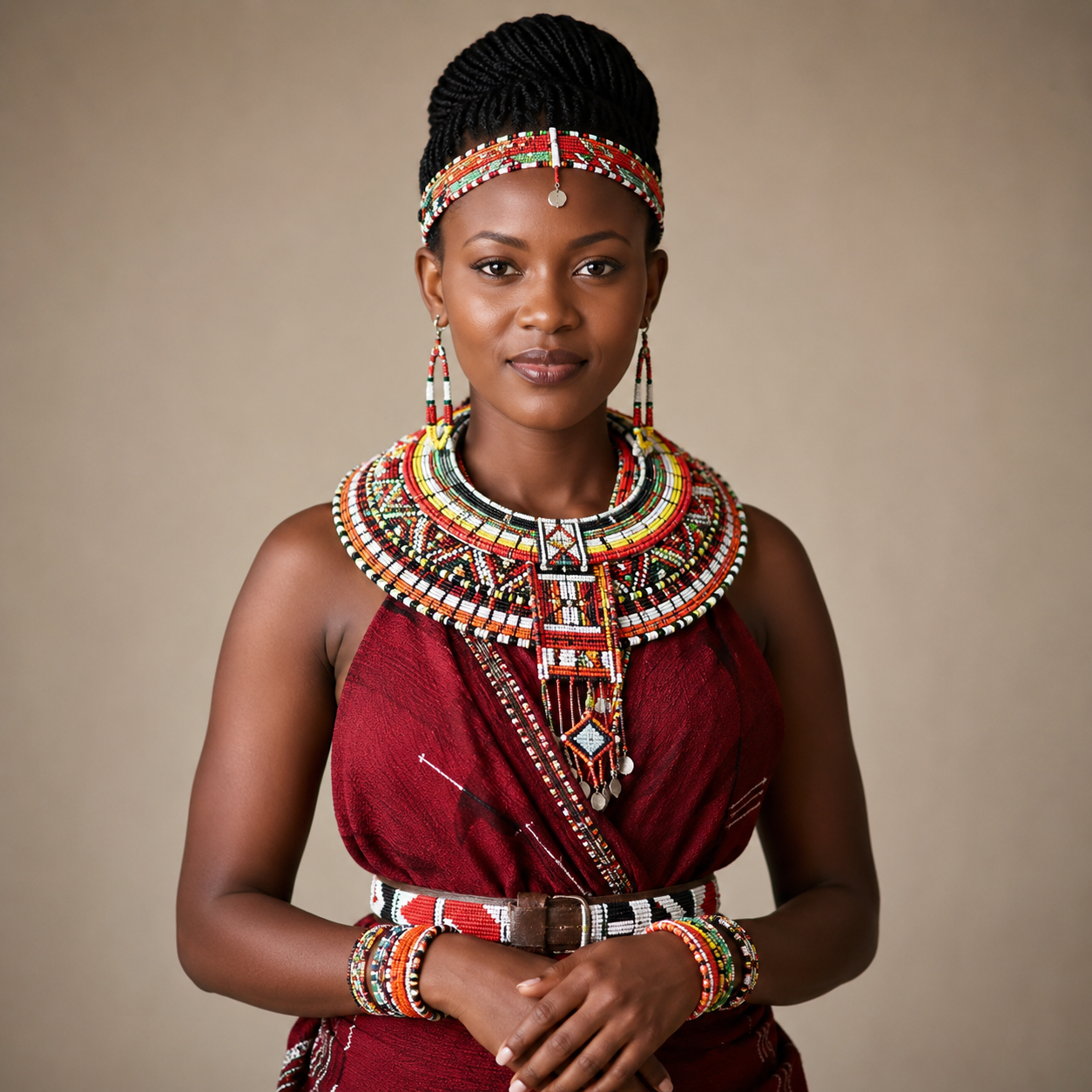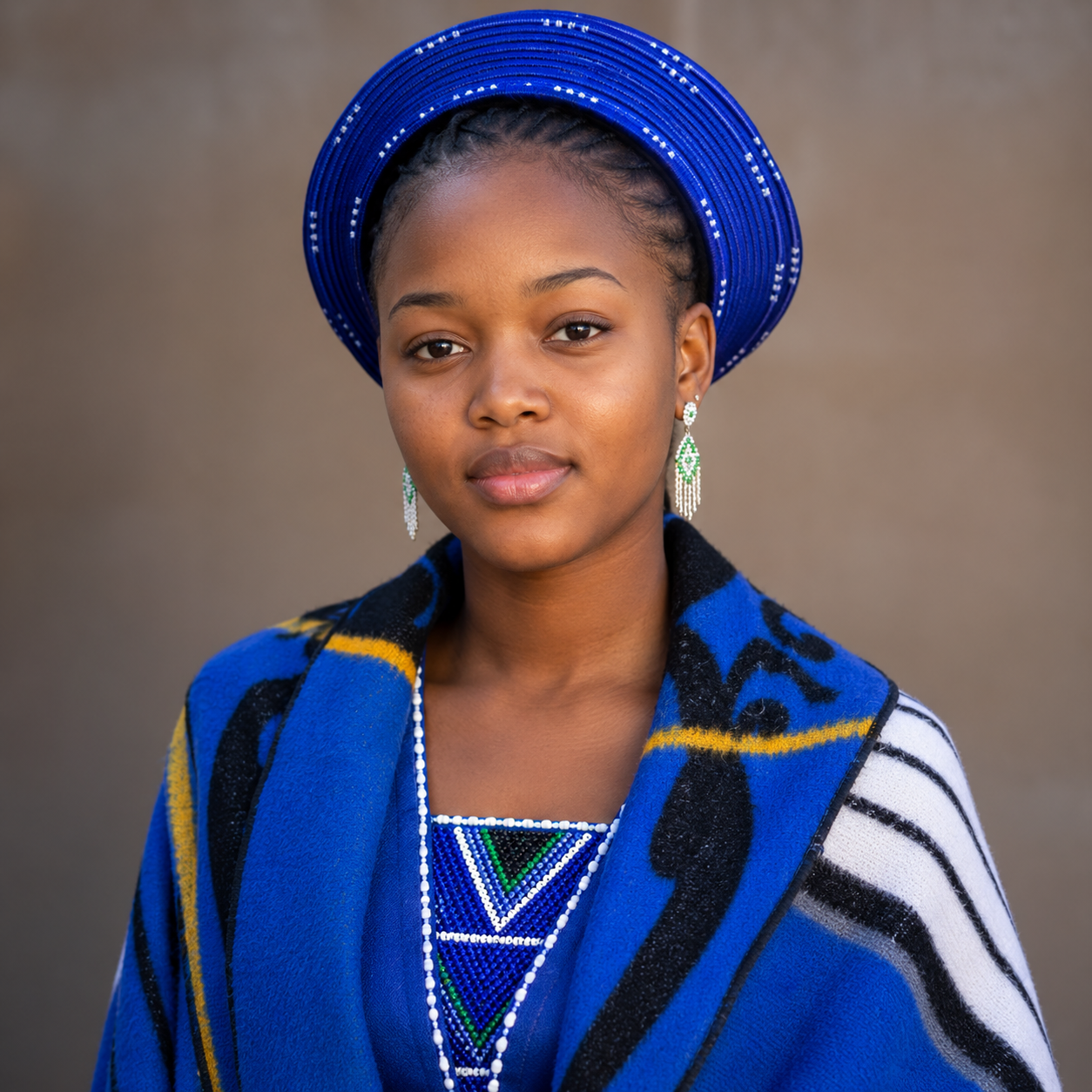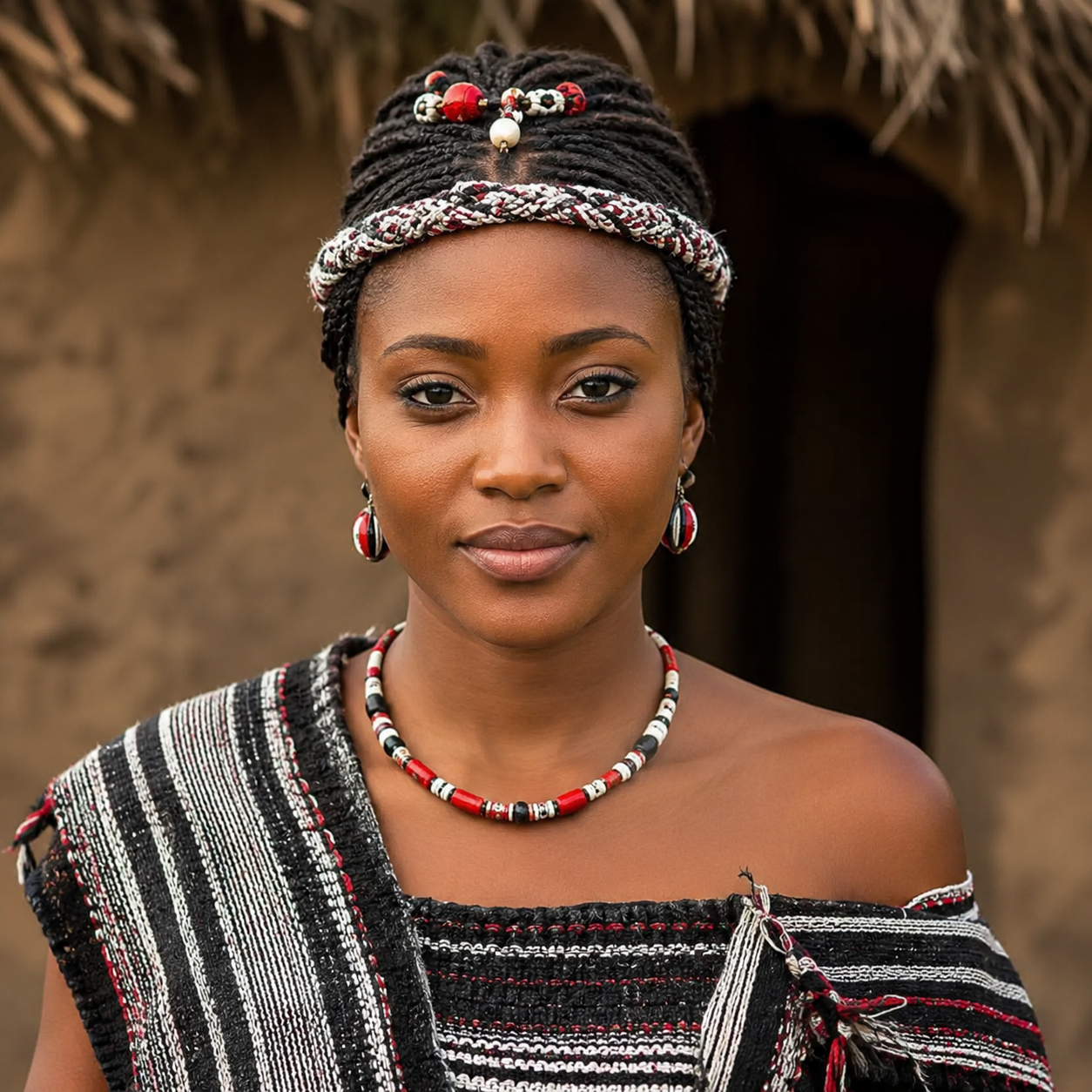
The Gbagyi, also called Gwari in some contexts, are a central Nigerian people known for the Gbagyi language, farming traditions, strong family and clan values, bridewealth customs, pottery, weaving, music, food heritage and communities around Niger, Kaduna, Nasarawa and the Abuja region.
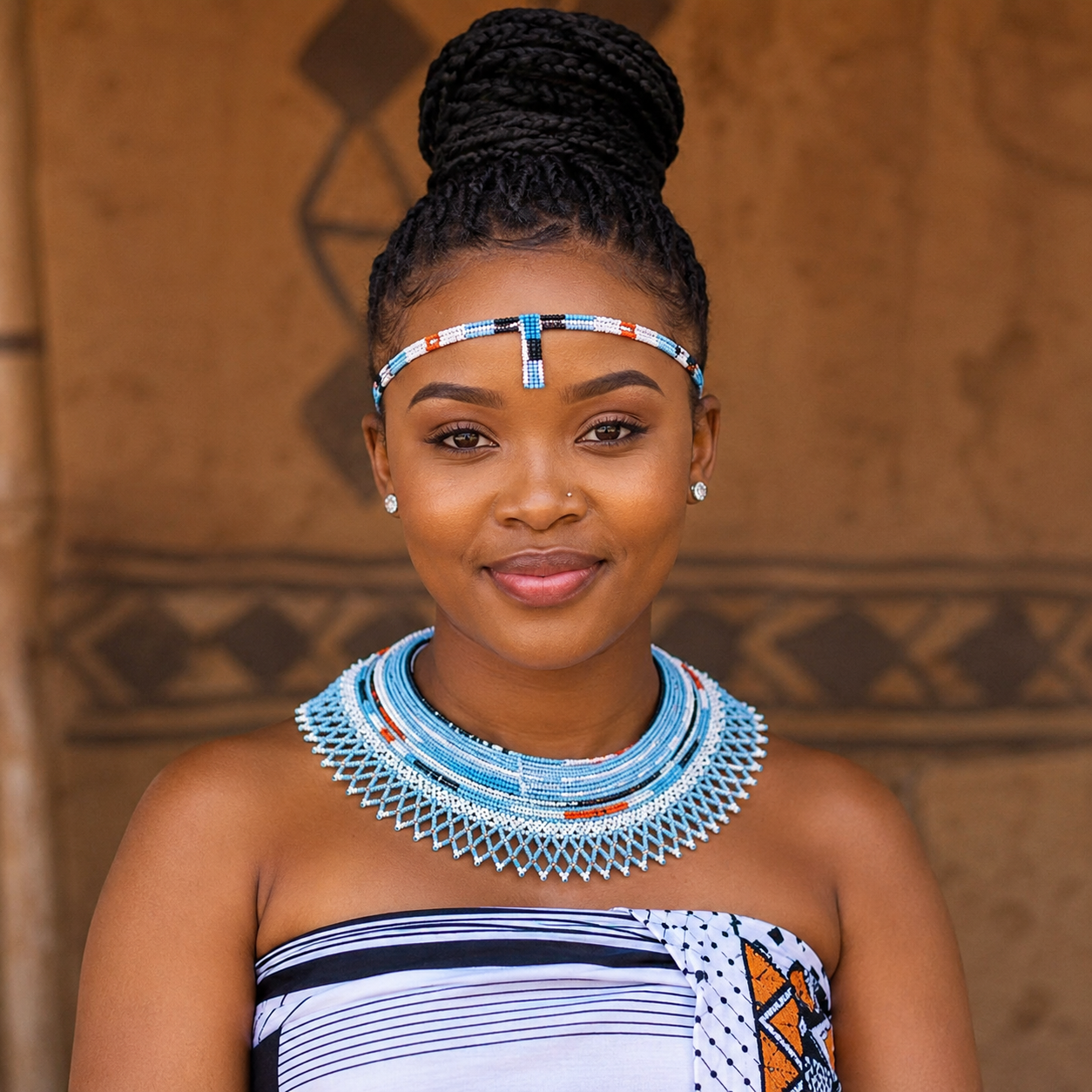
The Hausa are one of Africa’s largest peoples, known for the Hausa language, Sahelian city traditions, Islamic scholarship, emirate history, trade, modest dress, bridewealth customs, praise poetry, food, leatherwork, weaving, music and communities across West Africa.
The Hutu are a major Great Lakes people mainly associated with Rwanda and Burundi, known for Kinyarwanda and Kirundi languages, farming heritage, family values, marriage customs, oral traditions, music, dance, food culture and a complex modern history shaped by colonialism, identity politics and reconciliation.
The Ibibio are a south-eastern Nigerian people mainly associated with Akwa Ibom, known for Ibibio language, strong family values, bridewealth marriage customs, Ekpo and cultural performances, rich cuisine, elegant dress, clan identity and respect for elders.
The Idoma are a Middle Belt people of Nigeria, mainly associated with Benue State, known for Idoma language, strong family and clan values, bridewealth customs, red-and-black cultural colours, farming traditions, music, dance, food heritage and respect for elders.
The Igbo are a major West African people of south-eastern Nigeria, known for Igbo language, strong family and village systems, bridewealth marriage customs, masquerades, yam traditions, titled societies, music, proverbs, enterprise and rich cultural heritage.
The Igede are a Middle Belt people of Nigeria, mainly associated with Benue State, known for Igede language, farming traditions, strong family and clan values, bridewealth customs, food heritage, music, dance, festivals and respect for elders.
The Ijaw are a Niger Delta people of southern Nigeria, known for riverine culture, Ijaw language varieties, fishing and canoe traditions, bridewealth customs, masquerades, seafood-rich cuisine, clan identity, music, water symbolism and strong community heritage.
The Isoko are a Niger Delta people of southern Nigeria, mainly associated with Delta State, known for Isoko language, strong family and clan values, bridewealth marriage customs, farming and fishing traditions, food heritage, music, dance and respect for elders.
The Jukun are a central and north-eastern Nigerian people associated with the historic Kwararafa tradition, known for Jukun language varieties, strong chiefly and clan traditions, bridewealth customs, farming, fishing, music, dance, food heritage and respect for elders.
The Kalenjin are a major Nilotic people of Kenya and neighbouring East African areas, known for Kalenjin language varieties, clan and age-set traditions, cattle and farming heritage, bridewealth customs, music, dance, athletic prominence, family values and respect for elders.
The Kikuyu, also known as Agikuyu or Gikuyu, are Kenya’s largest ethnic group, known for Gikuyu language, Mount Kenya origin traditions, strong family and clan values, bridewealth customs, farming heritage, music, dance, beadwork, food traditions and major influence in Kenyan history.