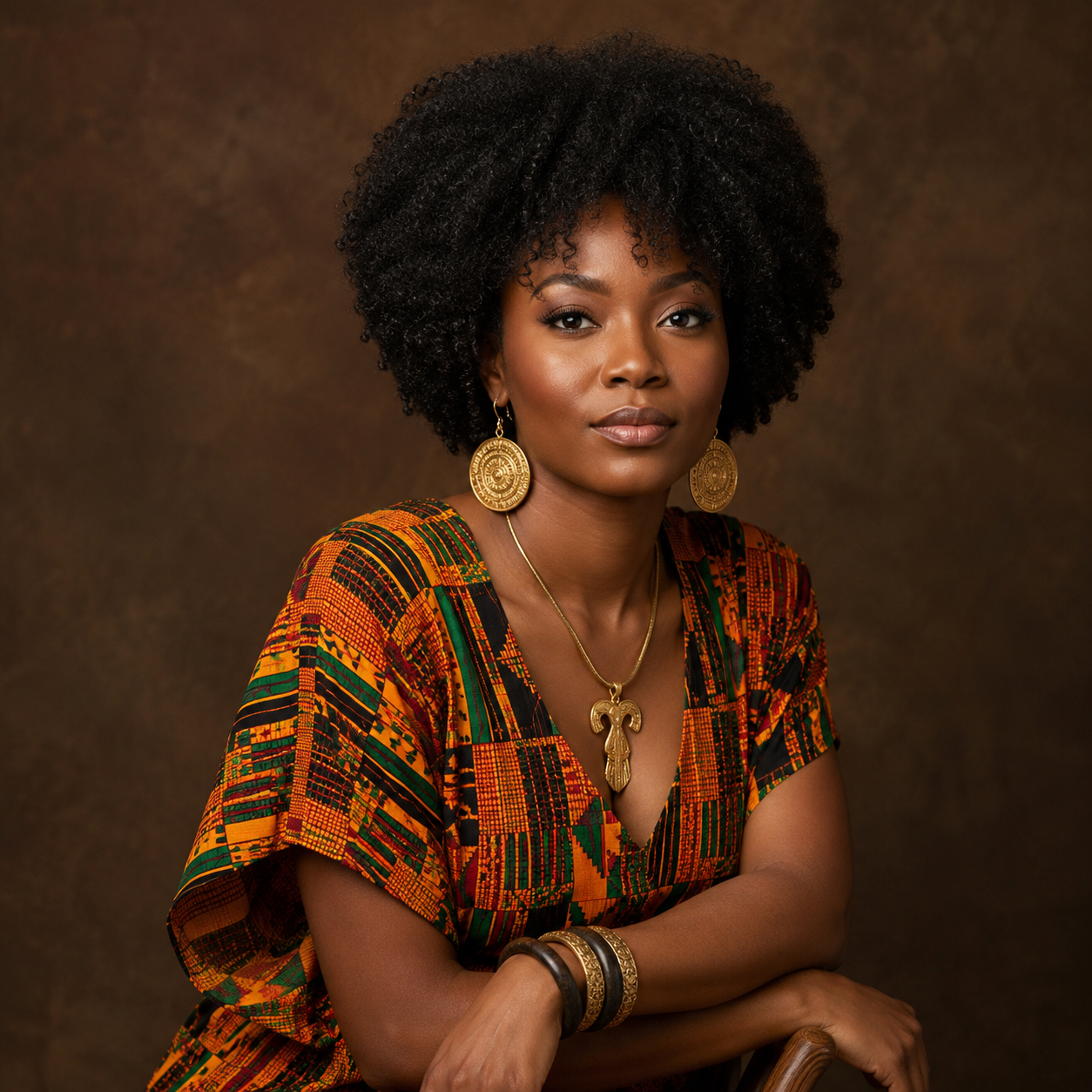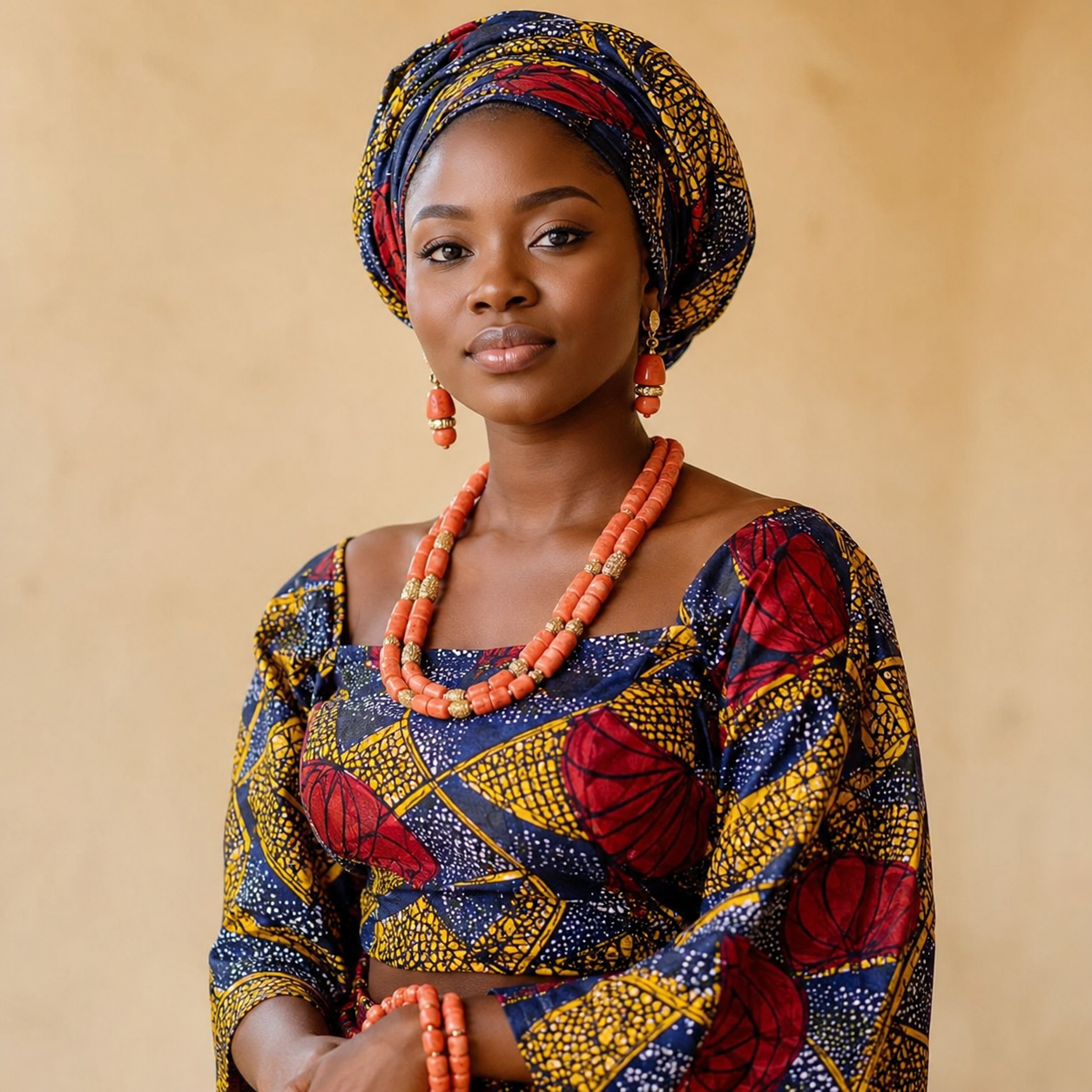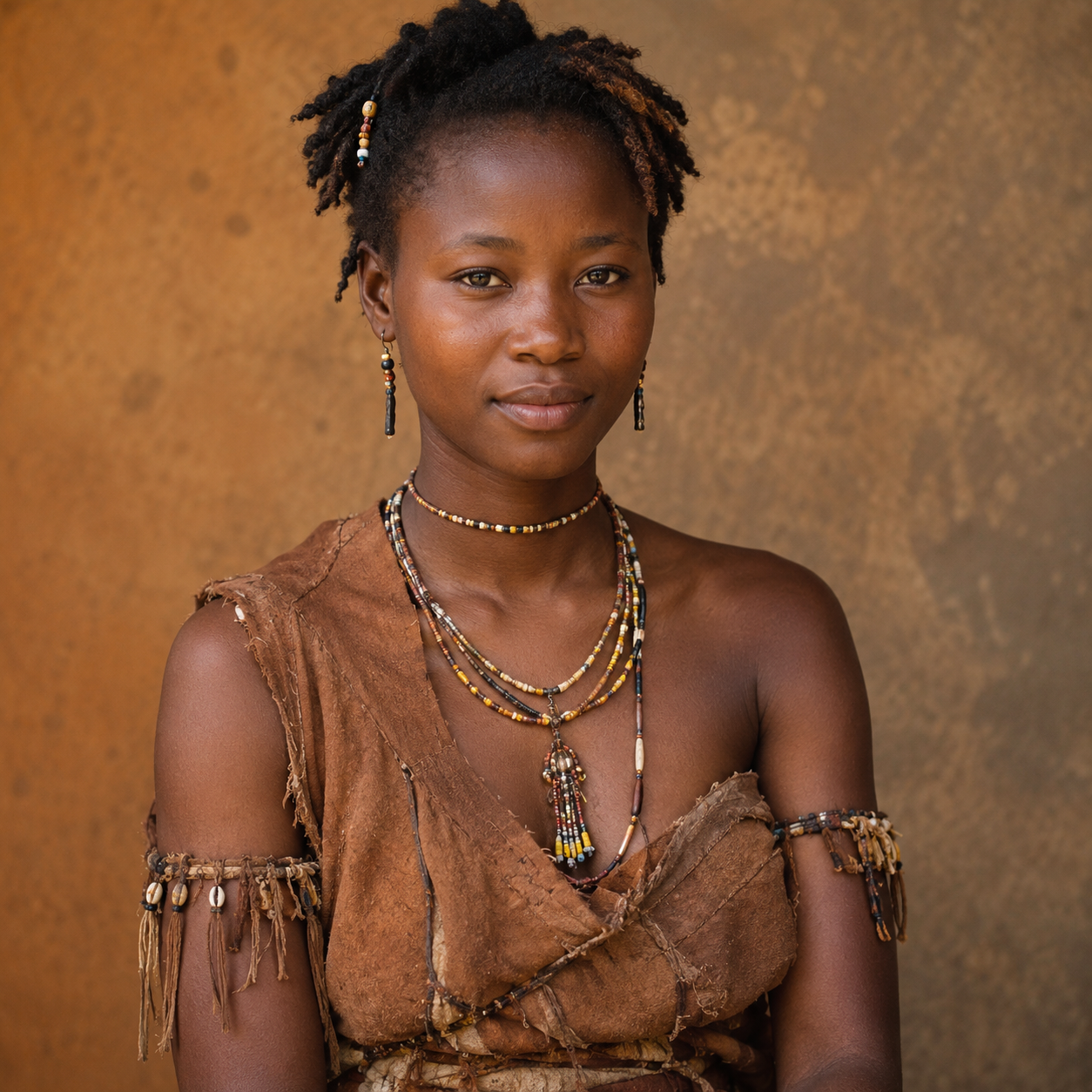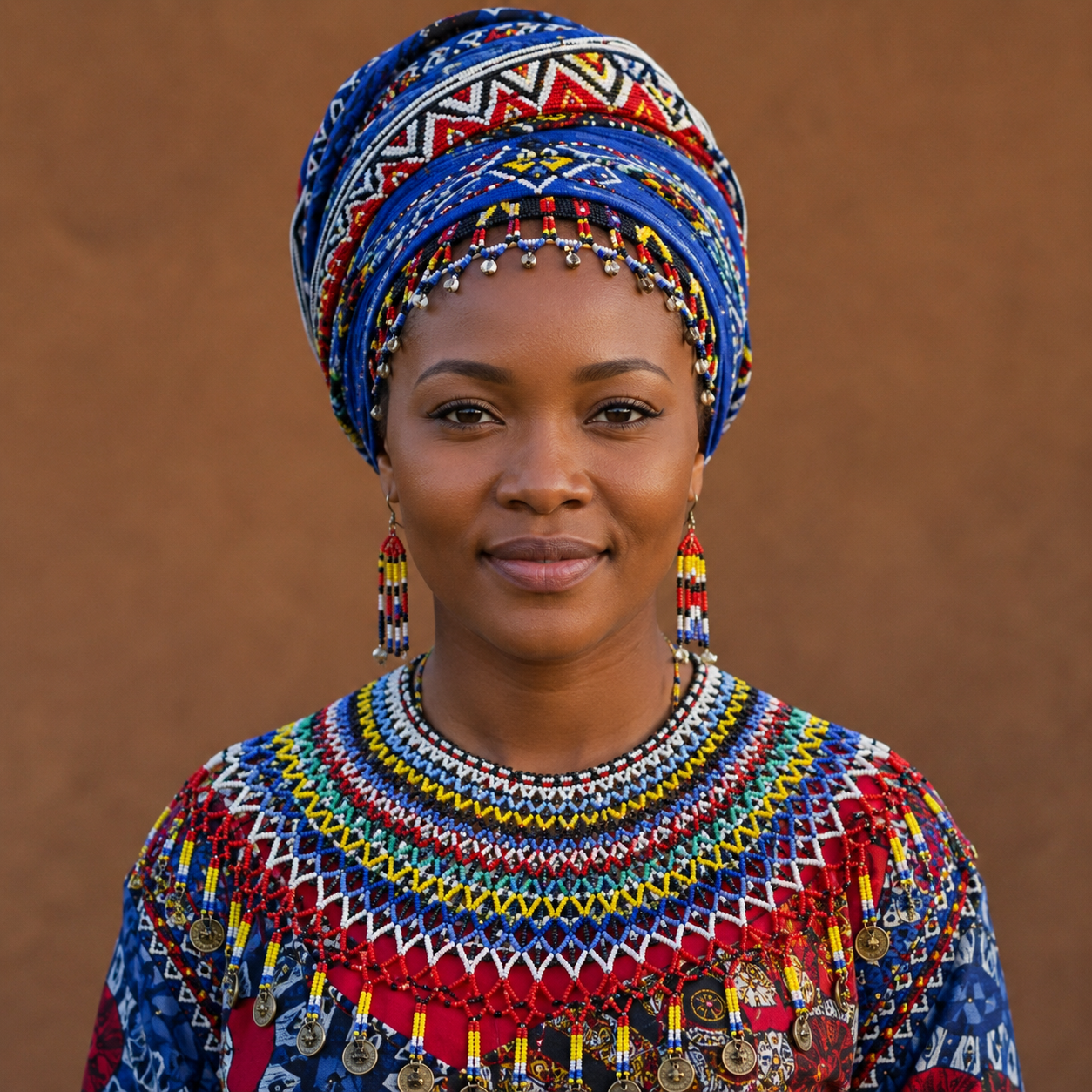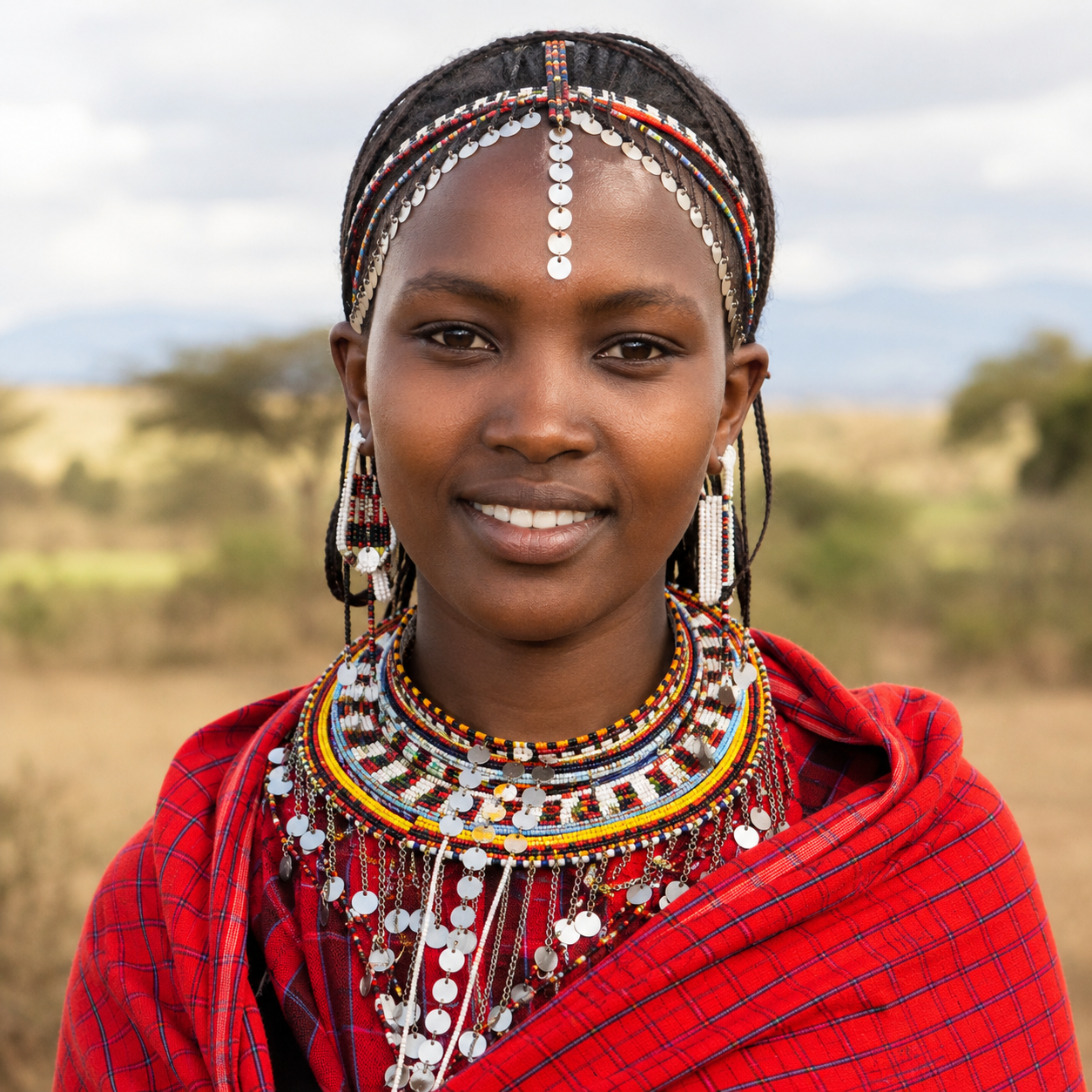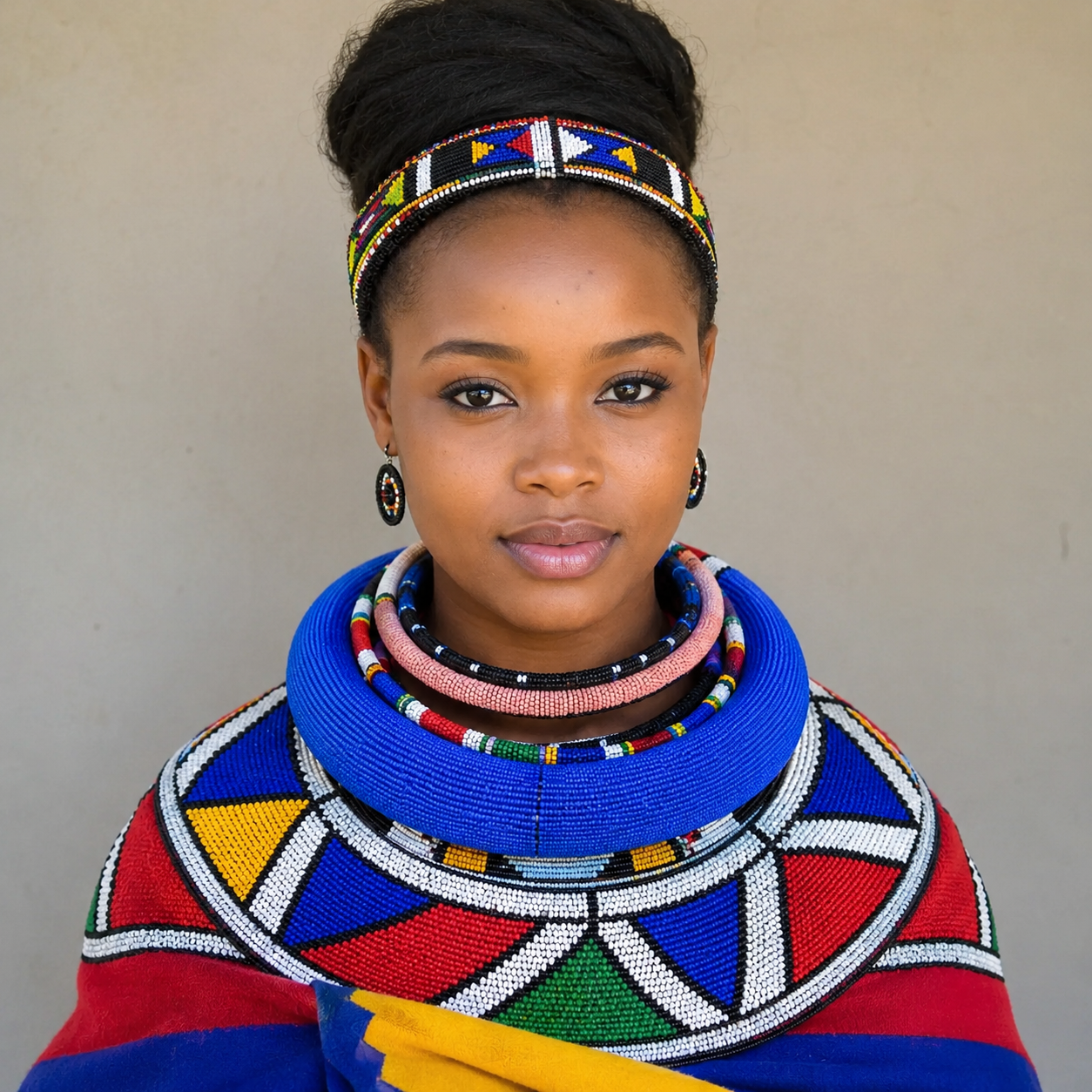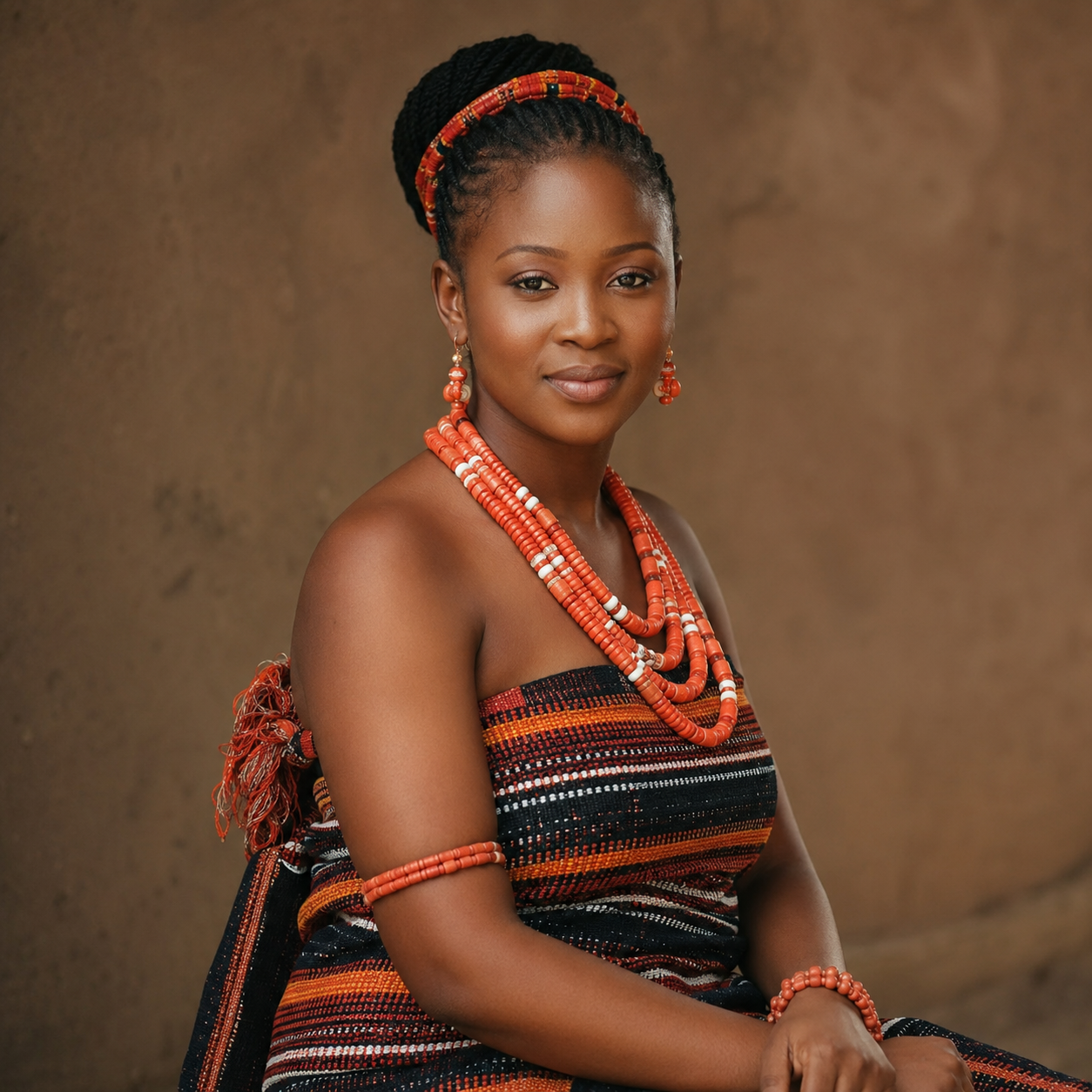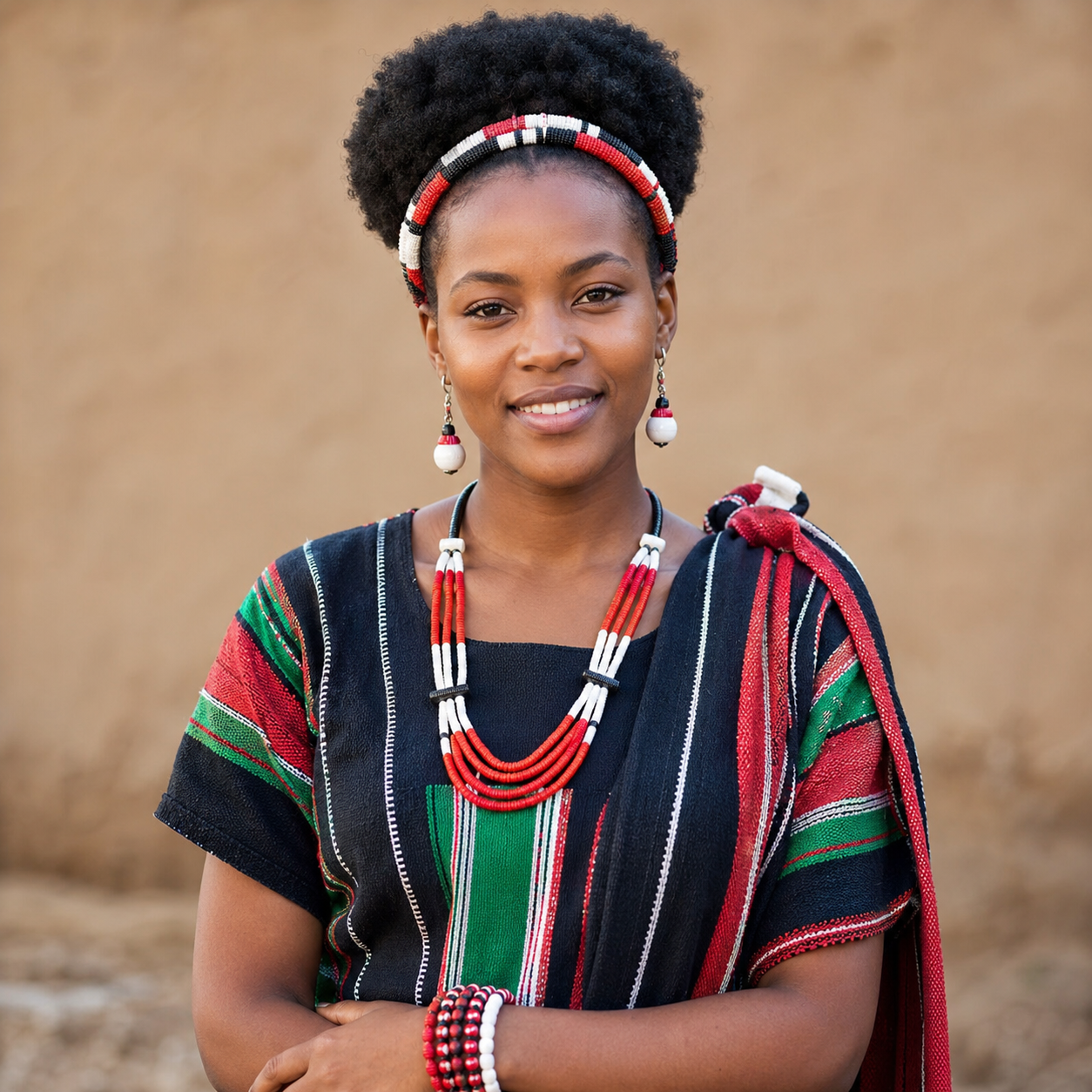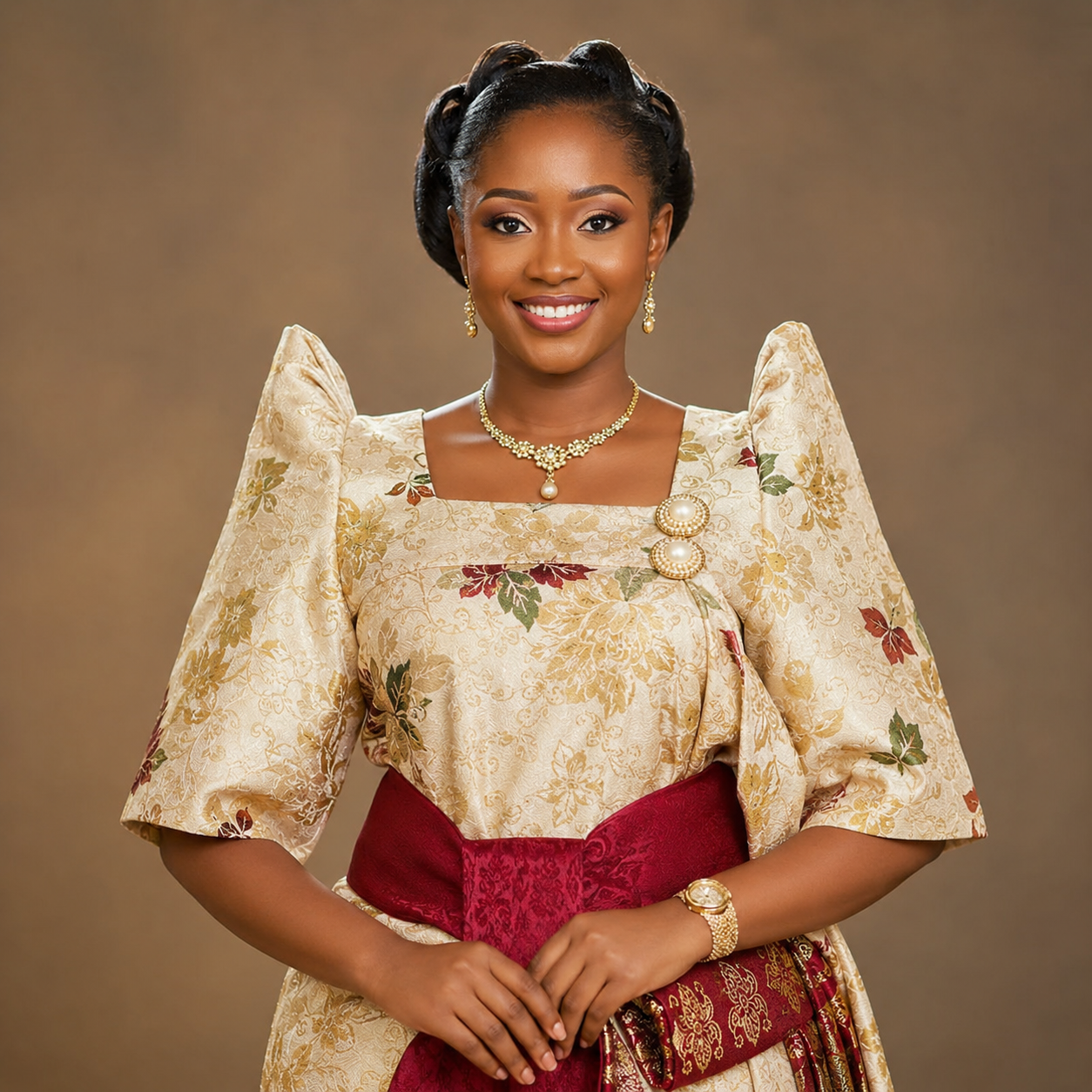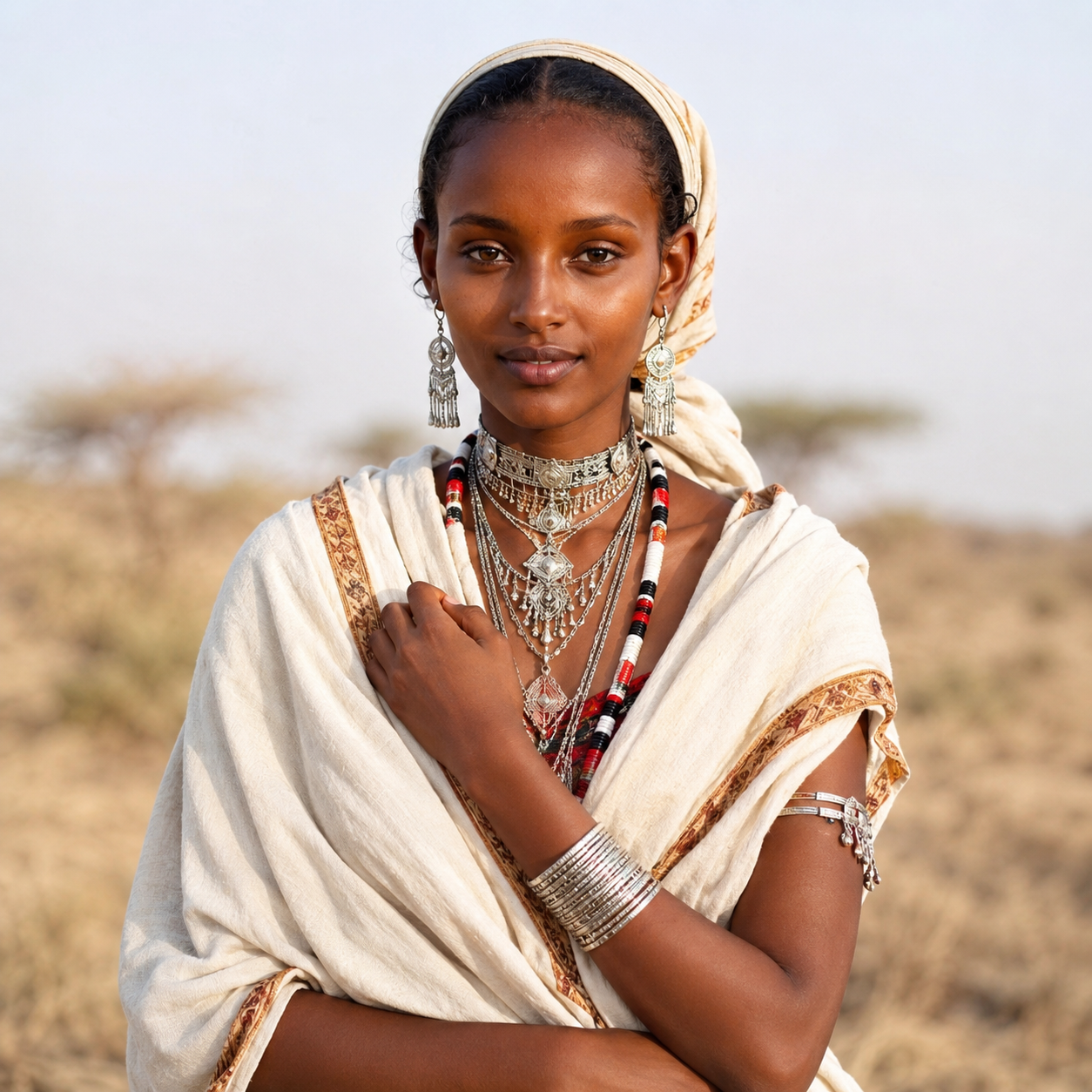
The Afar are a Cushitic-speaking people of the Horn of Africa, known for Afar language, pastoral traditions, desert and Red Sea heritage, clan identity, Islamic faith, poetry, oral history, distinctive dress, marriage customs and strong community values.
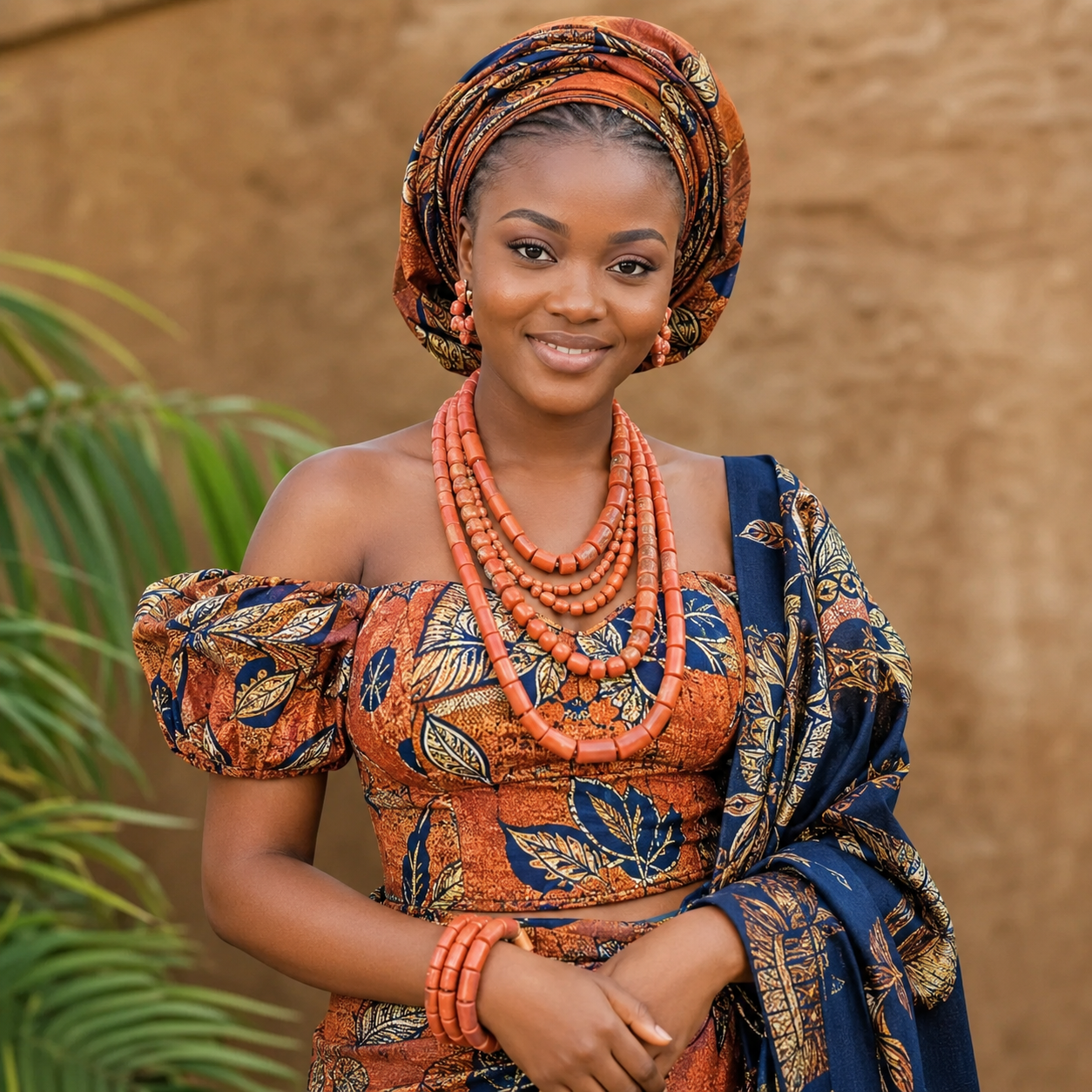
The Afemai, also known as Afenmai or Etsako, are an Edoid people of northern Edo State in Nigeria, known for Afemai language varieties, strong family and clan identity, bridewealth customs, farming traditions, music, dance, food heritage and respect for elders.
African Americans are a people and cultural community in the United States with deep roots in African ancestry, enslavement, resistance, freedom struggles, family and church life, music, foodways, literature, civil rights, creativity, entrepreneurship and global cultural influence.
The Aja are a Gbe-speaking people of West Africa, mainly associated with Benin and Togo, known for Aja language and related Gbe traditions, family and clan identity, farming, trade, marriage customs, Vodun-influenced heritage, music, dance and respect for elders.
The Aka are forest communities of Central Africa, known for Aka language varieties, deep forest knowledge, hunting and gathering traditions, polyphonic singing, strong family cooperation, craft skills, oral history and cultural ties to the Congo Basin rainforest.
The Akan are a major West African cultural and language family mainly associated with Ghana and Côte d’Ivoire, known for Akan languages, matrilineal clan systems, kente cloth, gold heritage, naming traditions, bridewealth customs, festivals, proverbs, music, food and strong family values.
The Amazigh, also known as Berber, are Indigenous peoples of North Africa, known for Tamazight language varieties, mountain and desert heritage, clan identity, jewellery, weaving, tattoo symbolism in some traditions, music, marriage customs, couscous dishes and deep historical roots across the Maghreb and Sahara.
The Amhara are a major Ethiopian people known for Amharic language, highland culture, Orthodox Christian heritage, royal and imperial history, family values, marriage customs, coffee ceremony, injera-based food, music, woven clothing and deep literary and religious traditions.
The Ashanti, also known as Asante, are an Akan people of Ghana known for Asante Twi, the Golden Stool, Asantehene kingship, kente cloth, gold heritage, matrilineal clans, adowa dance, bridewealth customs, festivals, proverbs, food and strong cultural identity.
The Atyap are a central Nigerian people mainly associated with southern Kaduna, known for the Tyap language, strong clan and family identity, farming traditions, bridewealth customs, music, dance, cultural festivals, food heritage and respect for elders.
The Babur-Bura are a north-eastern Nigerian people mainly associated with Borno and Adamawa, known for Bura language varieties, farming traditions, strong family and clan values, bridewealth customs, music, dance, food heritage and respect for elders.
The Baganda, also known as Ganda, are a major people of Uganda, known for Luganda language, Buganda Kingdom heritage, clan systems, barkcloth and gomesi dress, kwanjula marriage introductions, matooke foods, music, dance, royal traditions and respect for elders.